Safety note: Admin approval is an initial review, not a guarantee that every detail is correct. Check important or urgent claims with official sources and report anything inaccurate or unsafe.
Sydney Kangaroo Cull Proposal Sparks Community Debate
Smart summary
A proposal to redevelop part of Western Sydney University’s underused campus has sparked concern among animal advocates over the future of a kangaroo population living on the site. The university is looking at transfo...
A proposal to redevelop part of Western Sydney University’s underused campus has sparked concern among animal advocates over the future of a kangaroo population living on the site. The university is looking at transforming the area into a mixed-use community, but the proposed development has raised questions about how the project could affect around 100 kangaroos that currently inhabit the campus grounds.
The proposal forms part of broader plans to make better use of university land in Western Sydney. Development could potentially bring new housing, community facilities and other services to the area, but environmental considerations are also being examined.
The kangaroos have become a significant focus of the debate because the animals have established a population on the university grounds. Animal advocates are concerned that redevelopment could remove or significantly reduce their habitat.
The issue highlights a growing challenge facing Sydney as the city expands. Development pressure is increasing across Western Sydney, where new housing, transport infrastructure and community facilities are being planned to accommodate population growth.
For conservation advocates, protecting existing wildlife habitats is an important part of responsible urban planning. They argue that development decisions should consider the long-term impact on native animals and identify ways to preserve important habitat wherever possible.
The university’s proposal is also connected to the future use of land that is currently considered underutilised. Turning the campus into a mixed-use community could provide new opportunities for housing and services while creating a more active precinct.
However, any major redevelopment involving existing wildlife habitat can create competing priorities. Authorities and planners must consider environmental impacts alongside housing, economic and community needs.
The presence of approximately 100 kangaroos makes the issue particularly significant. Relocating wild kangaroos can present practical and welfare challenges, while leaving animals in an area surrounded by development can also create risks from roads, vehicles and changes to their habitat.
The debate is therefore not simply about whether the land should be developed. It also involves questions about how development can occur while reducing impacts on native wildlife.
Environmental assessments and planning processes are expected to play an important role as the proposal progresses. These processes can help determine the ecological value of the site and identify potential measures to protect wildlife.
The issue has attracted attention because Western Sydney is experiencing rapid transformation. Large-scale projects are reshaping suburbs across the region, creating new communities while placing pressure on remaining open spaces.
For residents and wildlife advocates, the kangaroo population represents an important part of the local environment. Supporters of development, meanwhile, point to the potential benefits of making better use of land and creating facilities for a growing population.
The university will need to consider these competing interests as planning for the site's future continues. The final outcome could influence both the development of the precinct and the future of the kangaroo population.
The story remains developing, with further planning and environmental discussions expected before any major redevelopment decisions are finalised.
For Sydney, the debate reflects a broader question facing rapidly growing cities: how to provide new housing and community infrastructure while protecting native wildlife and remaining green spaces.
At this stage, the proposal remains under consideration, and the future of the kangaroos will depend on the planning and environmental processes surrounding the redevelopment.
DevelopmentCommunitySydneyPopulationProposal
A proposal to redevelop part of Western Sydney University’s underused campus has sparked concern among animal advocates over the future of a kangaroo population living on the site. The university is looking at transforming the area into a mixed-use community, but the proposed development has raised questions about how the project could affect around 100 kangaroos that currently inhabit the campus grounds.
The proposal forms part of broader plans to make better use of university land in Western Sydney. Development could potentially bring new housing, community facilities and other services to the area, but environmental considerations are also being examined.
The kangaroos have become a significant focus of the debate because the animals have established a population on the university grounds. Animal advocates are concerned that redevelopment could remove or significantly reduce their habitat.
The issue highlights a growing challenge facing Sydney as the city expands. Development pressure is increasing across Western Sydney, where new housing, transport infrastructure and community facilities are being planned to accommodate population growth.
For conservation advocates, protecting existing wildlife habitats is an important part of responsible urban planning. They argue that development decisions should consider the long-term impact on native animals and identify ways to preserve important habitat wherever possible.
The university’s proposal is also connected to the future use of land that is currently considered underutilised. Turning the campus into a mixed-use community could provide new opportunities for housing and services while creating a more active precinct.
However, any major redevelopment involving existing wildlife habitat can create competing priorities. Authorities and planners must consider environmental impacts alongside housing, economic and community needs.
The presence of approximately 100 kangaroos makes the issue particularly significant. Relocating wild kangaroos can present practical and welfare challenges, while leaving animals in an area surrounded by development can also create risks from roads, vehicles and changes to their habitat.
The debate is therefore not simply about whether the land should be developed. It also involves questions about how development can occur while reducing impacts on native wildlife.
Environmental assessments and planning processes are expected to play an important role as the proposal progresses. These processes can help determine the ecological value of the site and identify potential measures to protect wildlife.
The issue has attracted attention because Western Sydney is experiencing rapid transformation. Large-scale projects are reshaping suburbs across the region, creating new communities while placing pressure on remaining open spaces.
For residents and wildlife advocates, the kangaroo population represents an important part of the local environment. Supporters of development, meanwhile, point to the potential benefits of making better use of land and creating facilities for a growing population.
The university will need to consider these competing interests as planning for the site's future continues. The final outcome could influence both the development of the precinct and the future of the kangaroo population.
The story remains developing, with further planning and environmental discussions expected before any major redevelopment decisions are finalised.
For Sydney, the debate reflects a broader question facing rapidly growing cities: how to provide new housing and community infrastructure while protecting native wildlife and remaining green spaces.
At this stage, the proposal remains under consideration, and the future of the kangaroos will depend on the planning and environmental processes surrounding the redevelopment.
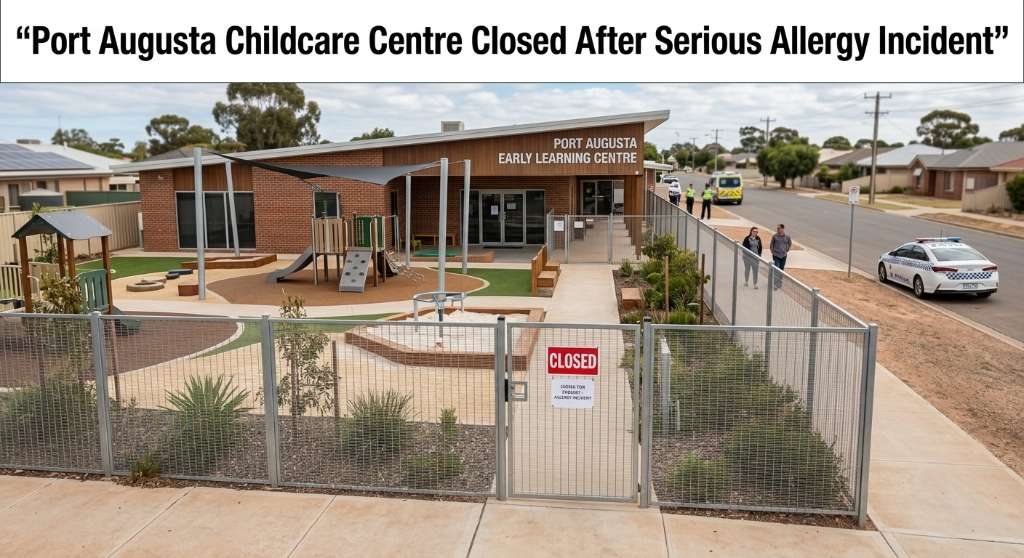
An Edge Early Learning centre in Port Augusta has been ordered to close for two weeks after a child with allergies was hospitalised after being given fo...
The statewide scheme allows eligible renters to transfer their existing bond directly to a new rental property instead of paying a second bond upfront.
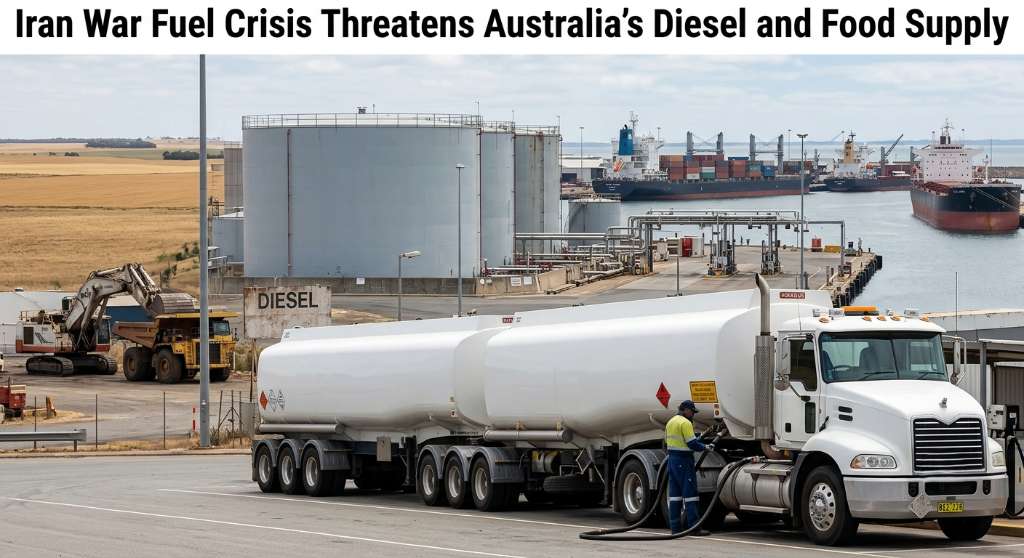
Global diesel shortages and disrupted shipping routes are pushing up fuel costs and creating growing risks for Australia’s farmers, miners and wider eco...
Central Coast New South Wales · General News · 15 Sep 2026
A teenager accused of negligent driving following a fatal crash on the NSW Central Coast has been refused bail in court today, Tuesday, September 15, 2026. The case follows a se...
A 22-year-old man has been charged after a police pursuit involving an allegedly stolen Toyota utility near Moree in northern New South Wales. NSW Police published the update on...
Sydney New South Wales · General News · 15 Sep 2026
A tragic incident in Auburn, in Sydney’s west, has resulted in the death of a three-year-old girl after she was struck by a car in a residential driveway on Tuesday, September 1...
A 16-year-old boy is due to appear before a children’s court after being charged following an alleged brawl at a train station in Penrith, in Sydney’s west. The incident occurre...
A man in his 40s has been shot dead at the doorway of a home in Merrylands West, western Sydney, prompting a major police investigation. The shooting occurred on Wednesday after...
Bathurst New South Wales · Community News · 17 Sep 2026
Kerry “Pecky” Peck, a long-standing Bathurst radio personality, has been inducted into the Bathurst Business Hall of Fame in recognition of his extensive contribution to the loc...
Orange New South Wales · Community News · 17 Sep 2026
Orange City Council has elected a new Deputy Mayor for the next two years, with the decision announced today, 17 September 2026. The council said the election took place during...
Wagga Wagga New South Wales · Crime News · 17 Sep 2026
Riverina Police have established a specialised task force in Wagga Wagga to investigate a series of aggravated break-and-enter offences, home invasions and firearm-related incid...
Albury New South Wales · Business News · 17 Sep 2026
An Australian artificial intelligence company has purchased the former Visy paper mill site at Ettamogah, north of Albury, in a significant local business The company, Sharon AI...
Cairns Regional Council has unanimously voted to seek $400,000 in Queensland Government funding for a program designed to connect local businesses with the region’s growing film...
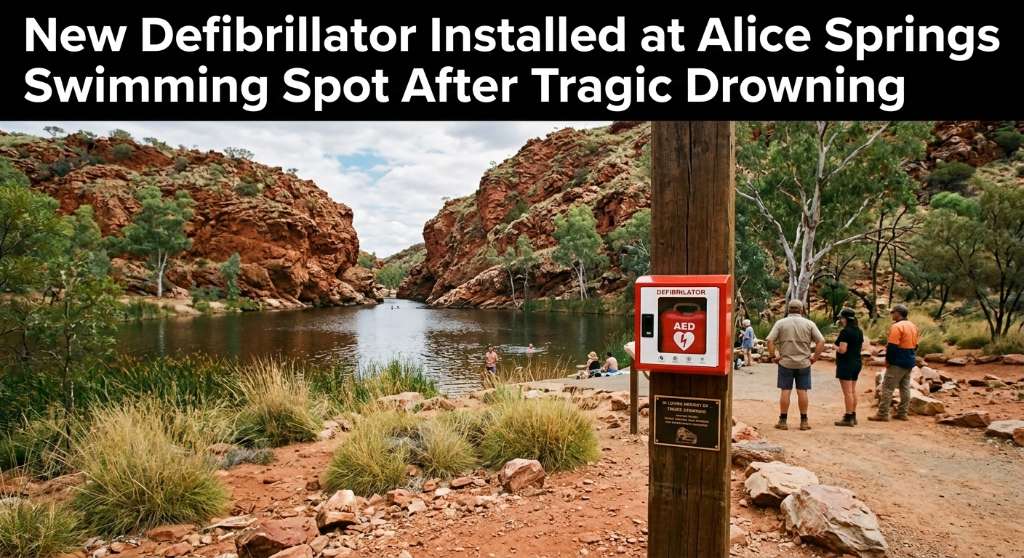
An automated external defibrillator and memorial plaque have been installed at Ellery Creek Big Hole following the death of disability advocate Ellen Fr...
Queensland firefighters spent several hours monitoring a significant grass fire at Mary Kinross Park in Bargara, near Bundaberg, after the blaze broke out on Wednesday evening....