Safety note: Admin approval is an initial review, not a guarantee that every detail is correct. Check important or urgent claims with official sources and report anything inaccurate or unsafe.
Source and credit: Contributor's own report
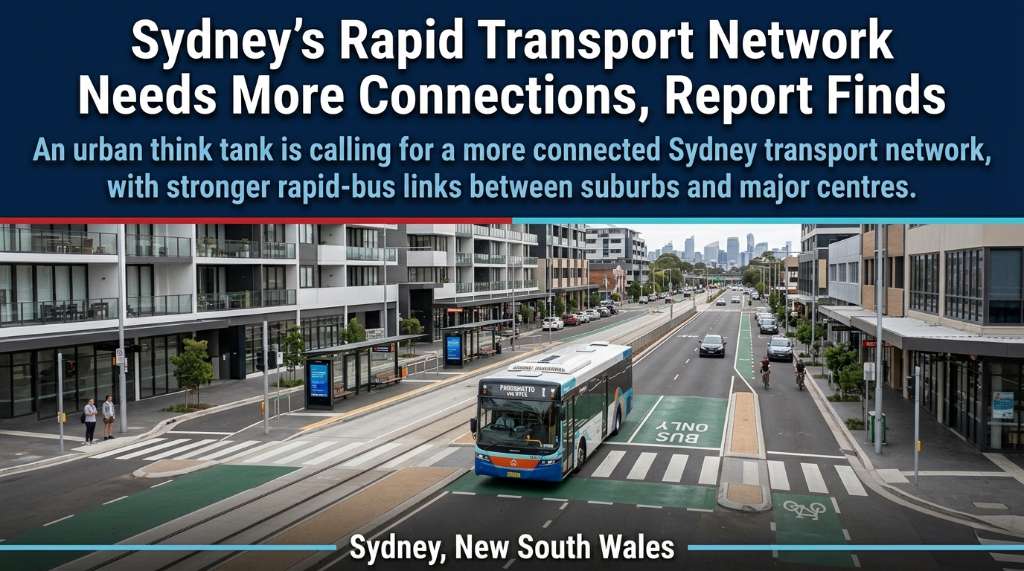
Sydney’s Rapid Transport Network Needs More Connections, Report Finds - Sydney, NSW
Smart summary
An urban think tank is calling for a more connected Sydney transport network, with stronger rapid-bus links between suburbs and major centres.
Sydney's public transport network needs to become more connected between suburbs, according to a new proposal calling for greater investment in rapid bus services.
The report argues that Sydney's existing transport system remains heavily focused on connections into the central city, rather than providing enough direct links between growing suburban centres.
A more connected network could make it easier for residents to travel between suburbs without first travelling into the Sydney CBD and changing to another service.
The proposal focuses particularly on rapid bus services as a way of improving connections across areas where rail or metro infrastructure is not currently available.
Rapid buses can be introduced more quickly than major rail projects and can provide dedicated or priority lanes on busy roads.
Supporters of the approach say better cross-suburban connections would provide residents with more transport choices and could reduce dependence on private vehicles.
Sydney's population is continuing to grow, particularly in Western and South-Western Sydney, increasing demand for reliable public transport.
Some communities in these areas face long travel times because existing services are designed around radial connections rather than direct suburb-to-suburb journeys.
The report suggests that a more flexible network could connect major employment centres, shopping districts, universities, hospitals and transport hubs.
Improved bus connections could also complement Sydney's existing rail and metro systems by providing convenient links to stations.
The proposal comes as Sydney continues to invest heavily in major transport infrastructure, including metro extensions and projects associated with Western Sydney's growth.
However, large rail projects can take many years to plan and construct. Rapid bus improvements could potentially provide additional capacity while longer-term infrastructure is developed.
Transport planners will need to consider population growth, employment locations and changing travel patterns when deciding where new services should operate.
The proposal also highlights the importance of reliable services, frequent buses and dedicated infrastructure if public transport is to compete effectively with private cars.
For commuters, better connections between suburban centres could reduce travel times and make public transport more practical for everyday journeys.
The discussion forms part of a broader debate about how Sydney should plan its transport network as the city expands.
A transport system with stronger connections between multiple centres could help distribute economic activity across the metropolitan area rather than concentrating journeys through the CBD.
The report's recommendations are likely to contribute to continuing discussions about future public transport investment across Sydney.
TransportSydneyConnectionsCouldBetween
Sydney's public transport network needs to become more connected between suburbs, according to a new proposal calling for greater investment in rapid bus services.
The report argues that Sydney's existing transport system remains heavily focused on connections into the central city, rather than providing enough direct links between growing suburban centres.
A more connected network could make it easier for residents to travel between suburbs without first travelling into the Sydney CBD and changing to another service.
The proposal focuses particularly on rapid bus services as a way of improving connections across areas where rail or metro infrastructure is not currently available.
Rapid buses can be introduced more quickly than major rail projects and can provide dedicated or priority lanes on busy roads.
Supporters of the approach say better cross-suburban connections would provide residents with more transport choices and could reduce dependence on private vehicles.
Sydney's population is continuing to grow, particularly in Western and South-Western Sydney, increasing demand for reliable public transport.
Some communities in these areas face long travel times because existing services are designed around radial connections rather than direct suburb-to-suburb journeys.
The report suggests that a more flexible network could connect major employment centres, shopping districts, universities, hospitals and transport hubs.
Improved bus connections could also complement Sydney's existing rail and metro systems by providing convenient links to stations.
The proposal comes as Sydney continues to invest heavily in major transport infrastructure, including metro extensions and projects associated with Western Sydney's growth.
However, large rail projects can take many years to plan and construct. Rapid bus improvements could potentially provide additional capacity while longer-term infrastructure is developed.
Transport planners will need to consider population growth, employment locations and changing travel patterns when deciding where new services should operate.
The proposal also highlights the importance of reliable services, frequent buses and dedicated infrastructure if public transport is to compete effectively with private cars.
For commuters, better connections between suburban centres could reduce travel times and make public transport more practical for everyday journeys.
The discussion forms part of a broader debate about how Sydney should plan its transport network as the city expands.
A transport system with stronger connections between multiple centres could help distribute economic activity across the metropolitan area rather than concentrating journeys through the CBD.
The report's recommendations are likely to contribute to continuing discussions about future public transport investment across Sydney.
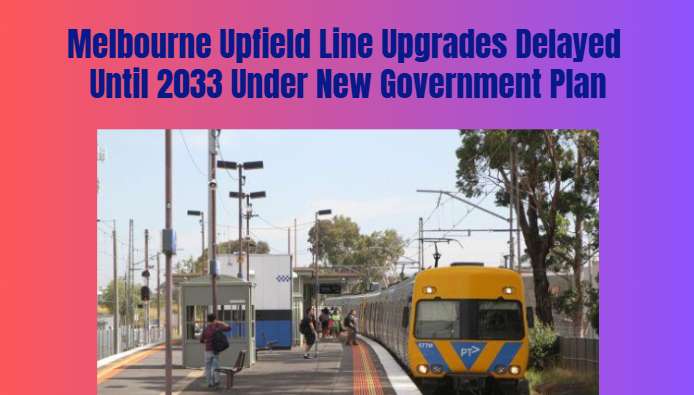
The Victorian Government has announced an $80 million study into duplicating Melbourne's Upfield railway line while delaying eight planned level-crossin...
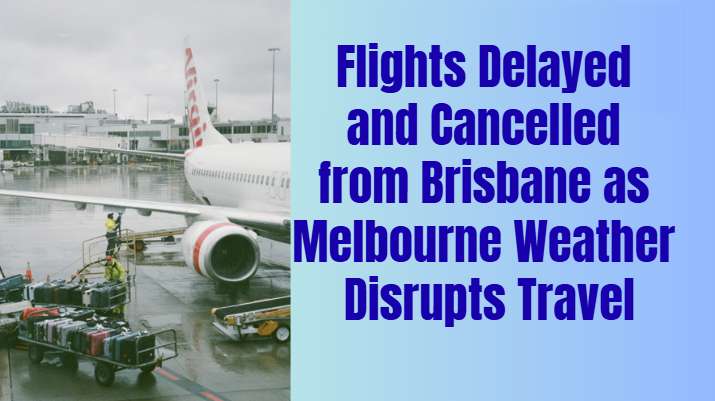
Severe weather in Melbourne has caused flight disruptions from Brisbane, with at least one flight cancelled and other services delayed as passengers tra...
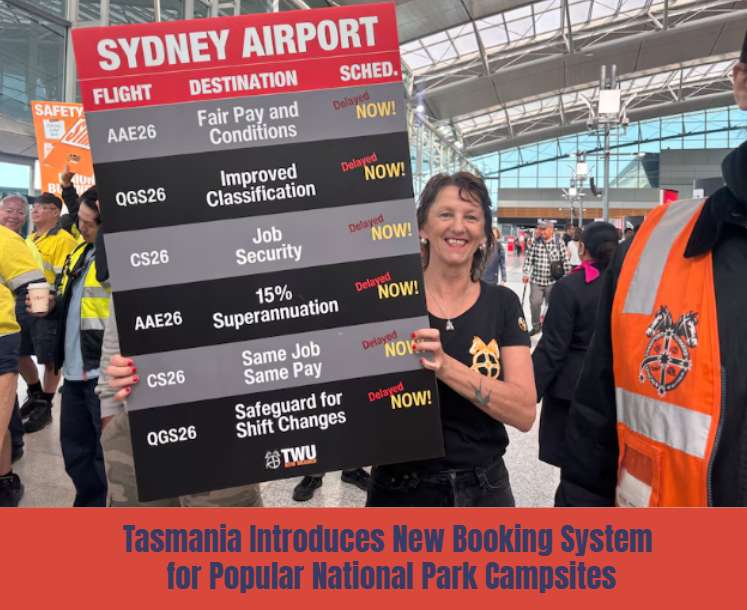
Passengers travelling through Sydney Airport on September 24 are being warned to allow extra time as separate strikes involving airport security and gro...
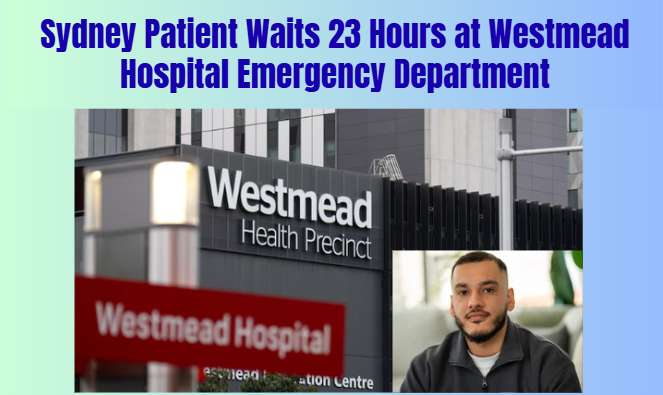
A Sydney patient says he spent 23 hours waiting on a chair at Westmead Hospital's emergency department, while new figures show continuing pressure on th...
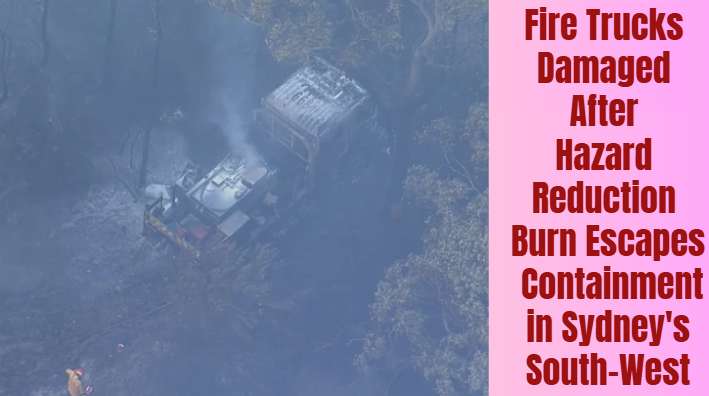
Multiple Rural Fire Service trucks were damaged after a planned hazard reduction burn at Wedderburn in Sydney's south-west escaped containment on Saturday.
Treasurer Jim Chalmers says the federal budget bottom line has improved by $6 billion compared with the May forecast, while the government faces pressur...
Northern Territory Police are investigating a series of alleged aggravated burglaries in Alice Springs after up to seven homes in the Araluen area were...