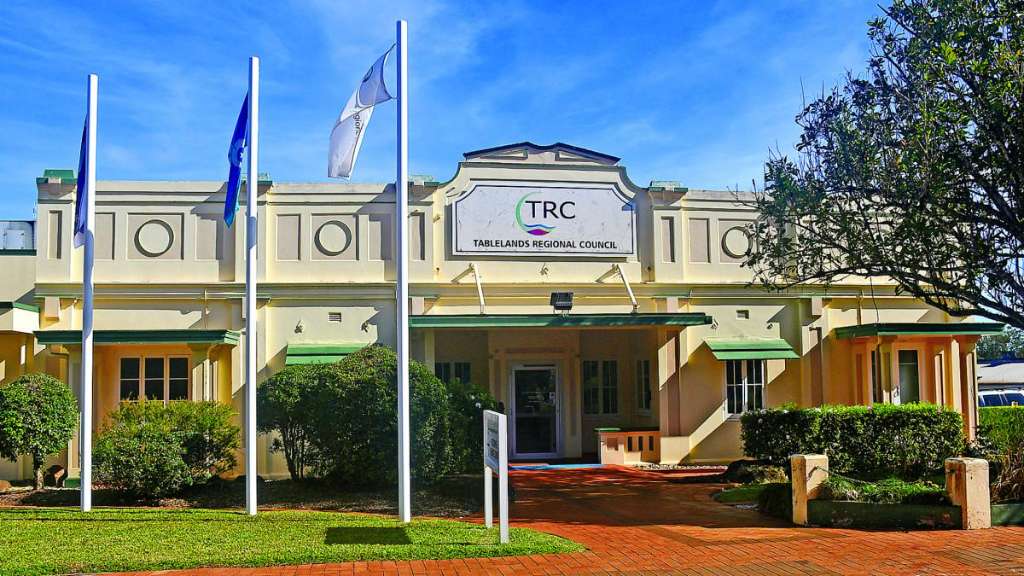
Tablelands Regional Council Mayor Rod Marti resigns from position
By Neha · Published 25 Jun 2026 · Updated 25 Jun 2026
Cairns, Queensland · Queensland News
Safety note: Admin approval is an initial review, not a guarantee that every detail is correct. Check important or urgent claims with official sources and report anything inaccurate or unsafe.
Source and credit: Contributor's own report
Tablelands Regional Council Mayor Rod Marti resigns from position - Cairns, Queensland
Smart summary
Tablelands Regional Council Mayor Rod Marti has announced his resignation, bringing an end to his leadership of the Far North Queensland local government and triggering arrangements for council succession.
Tablelands Regional Council Mayor Rod Marti has resigned from his position, marking a significant leadership change for one of Far North Queensland's largest regional local government areas.
Marti's departure ends a period of service during which he oversaw a range of local government responsibilities, including infrastructure development, community services, economic growth initiatives and regional planning across the Tablelands region. His resignation comes at a time when councils throughout Queensland are managing population growth, housing pressures, infrastructure demands and financial challenges.
The resignation was formally communicated to council and the community, prompting discussions about leadership succession and the process that will determine who assumes the mayoral role. Local government legislation provides mechanisms for filling vacancies when elected mayors leave office before the completion of their term.
Throughout his tenure, Marti was involved in representing the interests of communities across the Tablelands region, which encompasses a diverse mix of agricultural, tourism and residential areas. The council area includes several significant regional centres and rural communities that contribute substantially to Far North Queensland's economy.
Local government leaders play a crucial role in advocating for state and federal funding, coordinating infrastructure projects and delivering essential services. As mayor, Marti regularly engaged with government agencies, community groups and industry stakeholders on issues affecting the region.
The Tablelands region is known for its strong agricultural sector, producing a variety of crops and livestock products that support both local employment and Queensland's broader economy. Tourism is also a major contributor, with visitors drawn to the area's natural attractions, waterfalls, rainforests and proximity to the Atherton Tablelands.
Marti's resignation is expected to result in a period of transition as councillors and administrators work through the required processes to ensure continuity of governance. Council operations and service delivery are expected to continue uninterrupted during the leadership change.
Community leaders and residents have acknowledged the importance of maintaining stability while the council determines its next steps. Local governments are responsible for a wide range of functions including road maintenance, waste management, recreational facilities, planning approvals and community development programs.
Political observers note that leadership changes within regional councils can influence future priorities and policy directions, particularly regarding infrastructure investment, economic development and community engagement. However, most council functions continue regardless of changes in elected leadership.
The resignation also highlights the demanding nature of local government leadership, where mayors are often required to balance community expectations, budget constraints and long-term planning objectives. Regional councils in particular face unique challenges due to their large geographic areas and diverse community needs.
Residents across the Tablelands region will now look toward the succession process and future leadership arrangements. The next mayor will inherit responsibility for guiding the council through ongoing projects and representing the interests of communities across the region.
As the transition unfolds, attention will focus on ensuring stable governance and continued delivery of essential services while preparations are made for the council's next chapter of leadership.
CouncilCommunityLeadershipRegionalTablelands
Tablelands Regional Council Mayor Rod Marti has resigned from his position, marking a significant leadership change for one of Far North Queensland's largest regional local government areas.
Marti's departure ends a period of service during which he oversaw a range of local government responsibilities, including infrastructure development, community services, economic growth initiatives and regional planning across the Tablelands region. His resignation comes at a time when councils throughout Queensland are managing population growth, housing pressures, infrastructure demands and financial challenges.
The resignation was formally communicated to council and the community, prompting discussions about leadership succession and the process that will determine who assumes the mayoral role. Local government legislation provides mechanisms for filling vacancies when elected mayors leave office before the completion of their term.
Throughout his tenure, Marti was involved in representing the interests of communities across the Tablelands region, which encompasses a diverse mix of agricultural, tourism and residential areas. The council area includes several significant regional centres and rural communities that contribute substantially to Far North Queensland's economy.
Local government leaders play a crucial role in advocating for state and federal funding, coordinating infrastructure projects and delivering essential services. As mayor, Marti regularly engaged with government agencies, community groups and industry stakeholders on issues affecting the region.
The Tablelands region is known for its strong agricultural sector, producing a variety of crops and livestock products that support both local employment and Queensland's broader economy. Tourism is also a major contributor, with visitors drawn to the area's natural attractions, waterfalls, rainforests and proximity to the Atherton Tablelands.
Marti's resignation is expected to result in a period of transition as councillors and administrators work through the required processes to ensure continuity of governance. Council operations and service delivery are expected to continue uninterrupted during the leadership change.
Community leaders and residents have acknowledged the importance of maintaining stability while the council determines its next steps. Local governments are responsible for a wide range of functions including road maintenance, waste management, recreational facilities, planning approvals and community development programs.
Political observers note that leadership changes within regional councils can influence future priorities and policy directions, particularly regarding infrastructure investment, economic development and community engagement. However, most council functions continue regardless of changes in elected leadership.
The resignation also highlights the demanding nature of local government leadership, where mayors are often required to balance community expectations, budget constraints and long-term planning objectives. Regional councils in particular face unique challenges due to their large geographic areas and diverse community needs.
Residents across the Tablelands region will now look toward the succession process and future leadership arrangements. The next mayor will inherit responsibility for guiding the council through ongoing projects and representing the interests of communities across the region.
As the transition unfolds, attention will focus on ensuring stable governance and continued delivery of essential services while preparations are made for the council's next chapter of leadership.
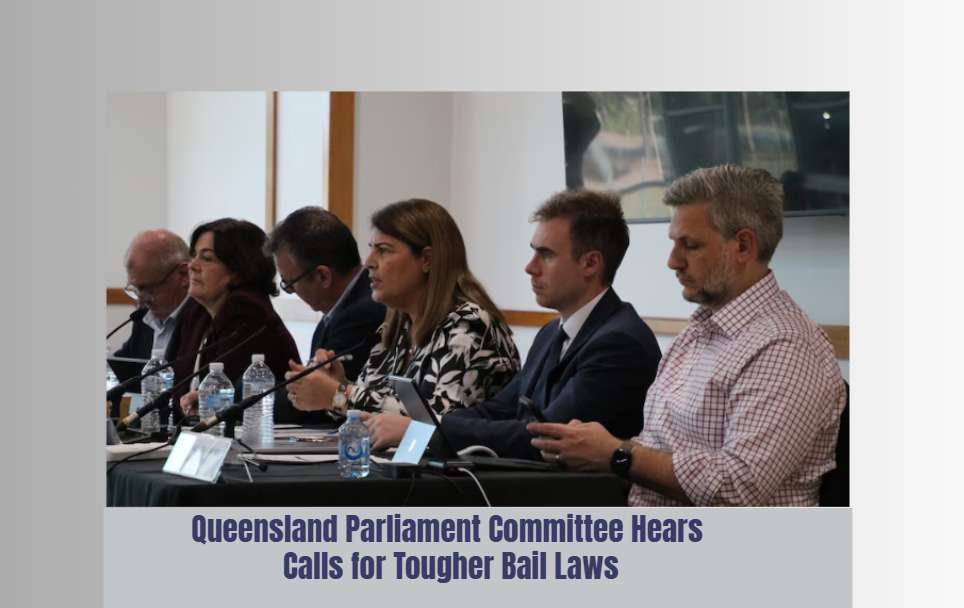
A Queensland parliamentary committee has completed regional hearings on proposed tougher bail laws, hearing from crime victims, legal experts and commun...
Prime Minister Anthony Albanese has launched Australia's campaign for a two-year seat on the United Nations Security Council while signing a decade-long...
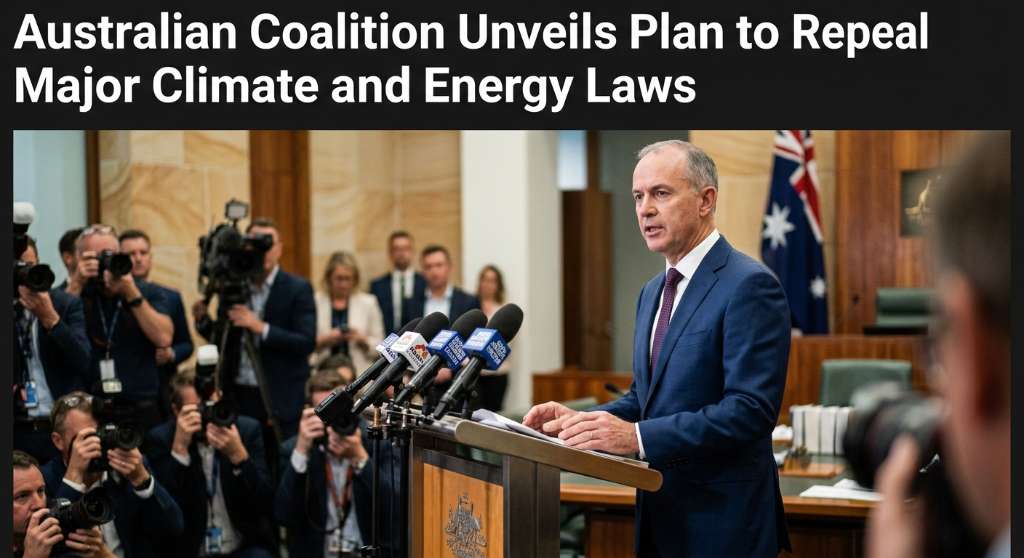
The federal Coalition has released an eight-point energy policy proposing changes to Australia's climate legislation, offshore wind zones, vehicle effic...
The Federal Government is preparing new measures targeting temporary visas, visa overstayers, international students and visa-hopping, while maintaining...
A 50-year-old man has died after being struck by a vehicle in Fernvale, west of Brisbane, with police launching a homicide investigation and arresting a...
Amateur astronomers are using new telescope technology to photograph the Moon, planets and distant galaxies from Brisbane homes, showing that city skies...
Severe weather in Melbourne has caused flight disruptions from Brisbane, with at least one flight cancelled and other services delayed as passengers tra...
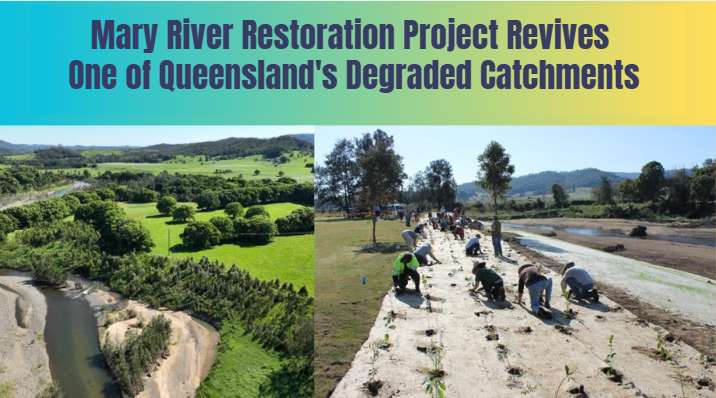
A long-running community restoration effort along Queensland's Mary River is reducing erosion, improving water quality and helping restore habitat for n...
A 50-year-old man has died after being struck by a vehicle in Fernvale, west of Brisbane, with police launching a homicide investigation and arresting a...
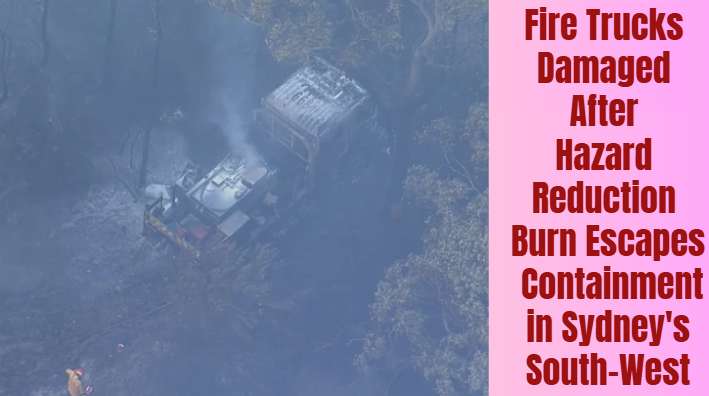
Multiple Rural Fire Service trucks were damaged after a planned hazard reduction burn at Wedderburn in Sydney's south-west escaped containment on Saturday.
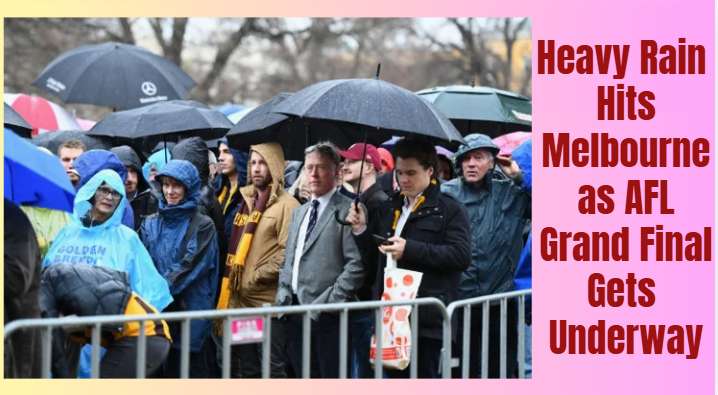
Wet conditions at the Melbourne Cricket Ground are creating difficult conditions for the AFL Grand Final, while poor weather has also disrupted flights...
Amateur astronomers are using new telescope technology to photograph the Moon, planets and distant galaxies from Brisbane homes, showing that city skies...