Safety note: Admin approval is an initial review, not a guarantee that every detail is correct. Check important or urgent claims with official sources and report anything inaccurate or unsafe.
Source and credit: Contributor's own report
Tasmanian Egg Producers Prepare for Possible Bird Flu Euthanasia Measures - Hobart, Tasmania
Smart summary
Tasmania's poultry and egg industry is preparing for the possibility of mass bird culls if the highly pathogenic H5N1 bird flu virus spreads into commercial flocks, as Australia responds to its first mainland detectio...
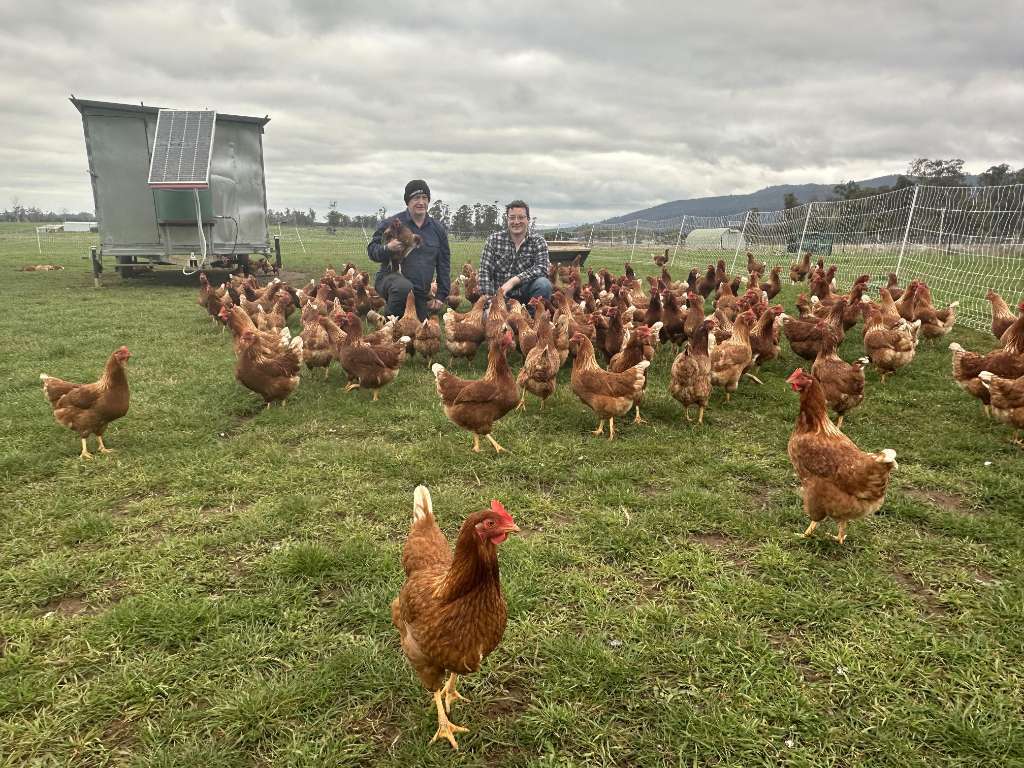
Egg and poultry producers in Tasmania are closely monitoring Australia's emerging H5N1 bird flu situation amid concerns the virus could eventually reach commercial farming operations. Industry leaders say producers are preparing contingency plans, including the possibility of euthanising entire flocks if infections are detected.
The concern follows confirmation of Australia's first mainland cases of highly pathogenic H5N1 avian influenza in wild birds near Esperance. Authorities have confirmed infections in a brown skua and a northern giant petrel, both found on remote beaches in Western Australia.
While no commercial poultry infections have been detected, the outbreak has prompted heightened biosecurity measures across the country. Australia's largest poultry producer, Inghams, has already placed its Western Australian operations under lockdown and restricted non-essential access to facilities.
Tasmanian producers say the state's island geography provides some protection, but they remain alert because migratory birds can carry the virus over long distances. If H5N1 enters a commercial poultry farm, standard disease-control procedures typically require infected and exposed birds to be euthanised to prevent further spread.
Industry representatives have stressed that eggs and poultry products remain safe to consume and that no infections have been identified in Australia's agricultural systems. Authorities are continuing surveillance and testing to determine whether the virus has spread beyond the isolated wild bird cases.
Federal and state governments, along with veterinary experts and industry groups, are working together to strengthen preparedness measures. Officials have urged the public not to handle sick or dead birds and to report any unusual wildlife deaths through the appropriate biosecurity channels.
The arrival of H5N1 on the Australian mainland marks a significant biosecurity challenge. Overseas, the virus has caused major losses in wild bird populations and poultry industries, making prevention and early detection critical for Australian producers.
PoultryProducersBirdBirdsInfections
Egg and poultry producers in Tasmania are closely monitoring Australia's emerging H5N1 bird flu situation amid concerns the virus could eventually reach commercial farming operations. Industry leaders say producers are preparing contingency plans, including the possibility of euthanising entire flocks if infections are detected.
The concern follows confirmation of Australia's first mainland cases of highly pathogenic H5N1 avian influenza in wild birds near Esperance. Authorities have confirmed infections in a brown skua and a northern giant petrel, both found on remote beaches in Western Australia.
While no commercial poultry infections have been detected, the outbreak has prompted heightened biosecurity measures across the country. Australia's largest poultry producer, Inghams, has already placed its Western Australian operations under lockdown and restricted non-essential access to facilities.
Tasmanian producers say the state's island geography provides some protection, but they remain alert because migratory birds can carry the virus over long distances. If H5N1 enters a commercial poultry farm, standard disease-control procedures typically require infected and exposed birds to be euthanised to prevent further spread.
Industry representatives have stressed that eggs and poultry products remain safe to consume and that no infections have been identified in Australia's agricultural systems. Authorities are continuing surveillance and testing to determine whether the virus has spread beyond the isolated wild bird cases.
Federal and state governments, along with veterinary experts and industry groups, are working together to strengthen preparedness measures. Officials have urged the public not to handle sick or dead birds and to report any unusual wildlife deaths through the appropriate biosecurity channels.
The arrival of H5N1 on the Australian mainland marks a significant biosecurity challenge. Overseas, the virus has caused major losses in wild bird populations and poultry industries, making prevention and early detection critical for Australian producers.
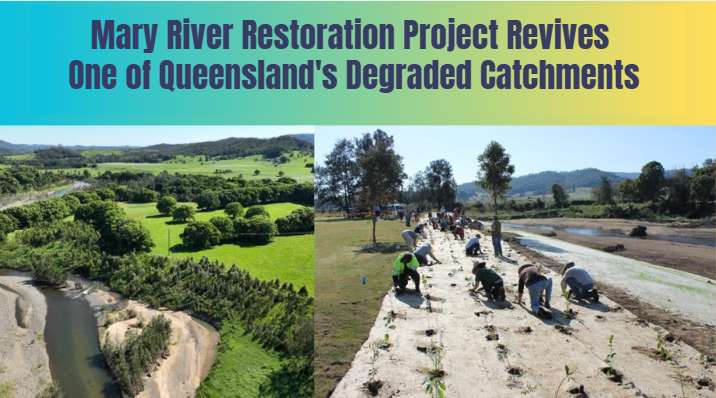
A long-running community restoration effort along Queensland's Mary River is reducing erosion, improving water quality and helping restore habitat for n...
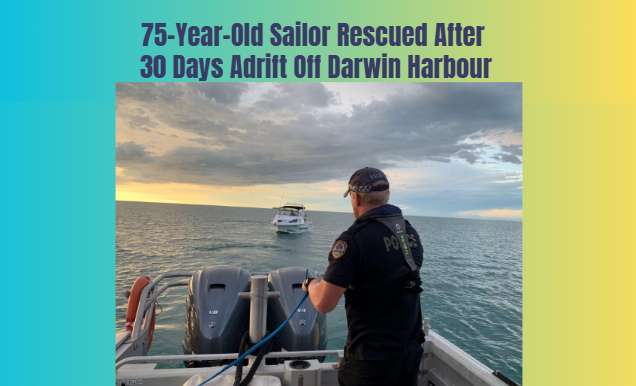
A 75-year-old sailor has been rescued after spending 30 days at sea near Darwin Harbour, with three strangers coming to his aid after his supplies were...
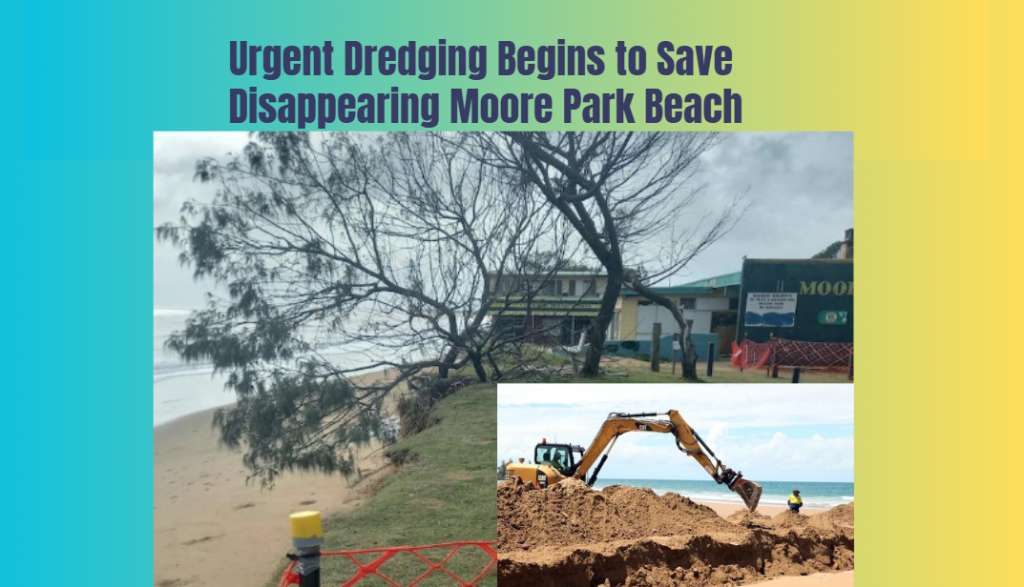
Emergency dredging has begun at Moore Park Beach near Bundaberg after severe erosion washed away sections of the coastline and shifted the mouth of Moor...
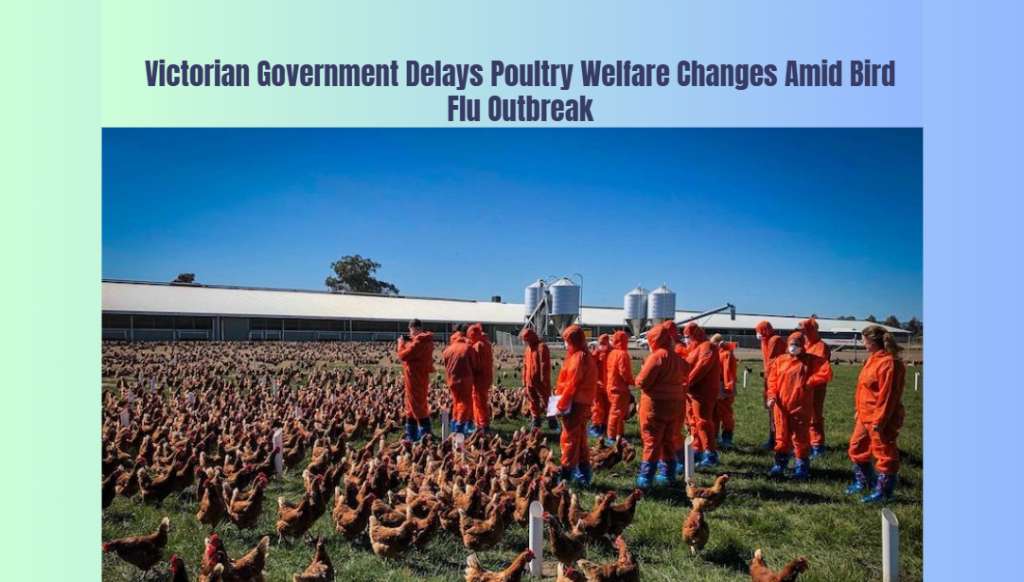
Victoria has delayed tougher poultry and caged-egg regulations by 12 months as authorities and producers respond to the spread of H5N1 bird flu across t...
A new Tasmanian sports academy is creating education and career pathways as the state’s professional sporting sector expands with the Tasmania Devils, J...
Former Tasmanian GP Michael Anthony Welch has pleaded not guilty to three indecent assault charges relating to allegations made by a former patient abou...
A 50-year-old man has died after being struck by a vehicle in Fernvale, west of Brisbane, with police launching a homicide investigation and arresting a...
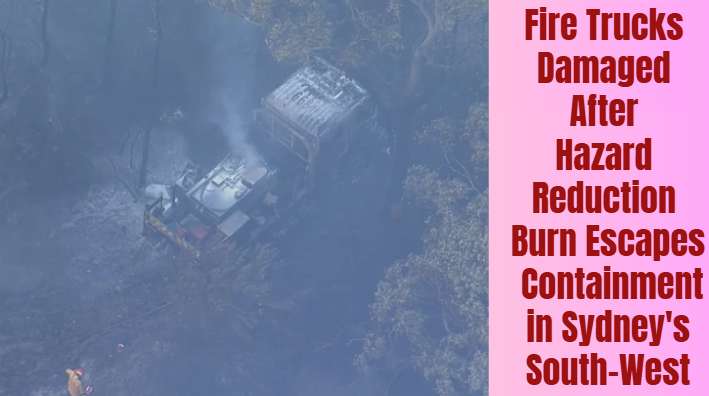
Multiple Rural Fire Service trucks were damaged after a planned hazard reduction burn at Wedderburn in Sydney's south-west escaped containment on Saturday.
Wet conditions at the Melbourne Cricket Ground are creating difficult conditions for the AFL Grand Final, while poor weather has also disrupted flights...
Amateur astronomers are using new telescope technology to photograph the Moon, planets and distant galaxies from Brisbane homes, showing that city skies...