Safety note: Admin approval is an initial review, not a guarantee that every detail is correct. Check important or urgent claims with official sources and report anything inaccurate or unsafe.
Source and credit: Contributor's own report
Telehealth Ban Leaves Dying Patients Struggling to Access Doctors for Voluntary Assisted Dying Support - Canberra, ACT
Smart summary
Patients, families and advocates are calling for changes to federal laws that prevent doctors from using telehealth services for voluntary assisted dying discussions, saying the restrictions create barriers for seriou...
Seriously ill Australians and healthcare advocates are renewing calls for changes to federal laws that prevent doctors from using telehealth services during voluntary assisted dying (VAD) processes. Supporters argue the current restrictions create unnecessary difficulties for patients who are terminally ill, particularly those living in regional and remote communities who may struggle to travel long distances to access specialist medical appointments.
Voluntary assisted dying is legal in all Australian states and the Australian Capital Territory for eligible patients who meet strict requirements. However, federal legislation restricts the use of electronic communication, including phone and video consultations, in discussions connected to VAD. Doctors and advocates say this creates a significant challenge for people nearing the end of life who may have limited mobility or live far away from qualified medical practitioners.
The issue has been highlighted by end-of-life advocates, including Go Gentle Australia, who argue that modern healthcare relies heavily on telehealth and that the same access should be available for eligible patients considering voluntary assisted dying. They say preventing doctors from communicating through digital platforms can delay important conversations and add emotional and physical pressure on patients and families.
Regional Australians are among those most affected by the restriction. Many towns have fewer doctors trained in voluntary assisted dying care, meaning patients may need to travel hundreds of kilometres for appointments. For people with serious illnesses, frequent travel can be physically exhausting and emotionally challenging. Advocates say telehealth could help provide timely medical discussions while maintaining appropriate safeguards.
Doctors involved in end-of-life care have also raised concerns that the current rules do not reflect the realities of modern medicine. They argue telehealth has become an important tool for connecting patients with specialists, especially when distance, illness or disability makes face-to-face appointments difficult.
Opponents of changing the law have previously raised concerns about ensuring strong protections remain in place for vulnerable patients. They argue that voluntary assisted dying decisions require careful assessment, safeguards and appropriate medical oversight.
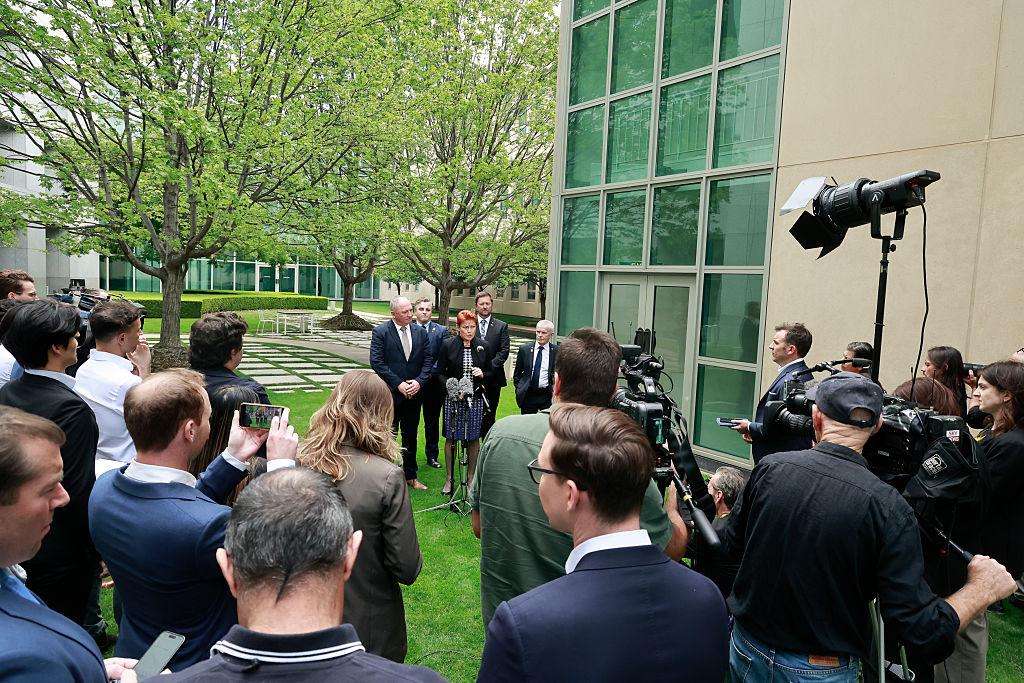
The debate has reached the federal parliament, with advocates calling for amendments to clarify that voluntary assisted dying should not be treated in the same way as unlawful activities involving suicide encouragement. Supporters of reform say changing the law would allow doctors to provide better access while maintaining existing eligibility checks and safety requirements.
The discussion comes as Australia continues to adapt healthcare systems following the rapid growth of telehealth services. Remote consultations are now widely used for many medical needs, including specialist appointments, follow-up care and support for people living with chronic conditions.
For patients facing terminal illness, advocates say access to timely and compassionate care is essential. They argue that location should not determine whether someone can have important conversations with qualified doctors about end-of-life choices.
The federal government continues to consider issues surrounding voluntary assisted dying laws and the relationship between state-based VAD programs and federal communications legislation.
DyingPatientsAssistedDoctorsVoluntary
Seriously ill Australians and healthcare advocates are renewing calls for changes to federal laws that prevent doctors from using telehealth services during voluntary assisted dying (VAD) processes. Supporters argue the current restrictions create unnecessary difficulties for patients who are terminally ill, particularly those living in regional and remote communities who may struggle to travel long distances to access specialist medical appointments.
Voluntary assisted dying is legal in all Australian states and the Australian Capital Territory for eligible patients who meet strict requirements. However, federal legislation restricts the use of electronic communication, including phone and video consultations, in discussions connected to VAD. Doctors and advocates say this creates a significant challenge for people nearing the end of life who may have limited mobility or live far away from qualified medical practitioners.
The issue has been highlighted by end-of-life advocates, including Go Gentle Australia, who argue that modern healthcare relies heavily on telehealth and that the same access should be available for eligible patients considering voluntary assisted dying. They say preventing doctors from communicating through digital platforms can delay important conversations and add emotional and physical pressure on patients and families.
Regional Australians are among those most affected by the restriction. Many towns have fewer doctors trained in voluntary assisted dying care, meaning patients may need to travel hundreds of kilometres for appointments. For people with serious illnesses, frequent travel can be physically exhausting and emotionally challenging. Advocates say telehealth could help provide timely medical discussions while maintaining appropriate safeguards.
Doctors involved in end-of-life care have also raised concerns that the current rules do not reflect the realities of modern medicine. They argue telehealth has become an important tool for connecting patients with specialists, especially when distance, illness or disability makes face-to-face appointments difficult.
Opponents of changing the law have previously raised concerns about ensuring strong protections remain in place for vulnerable patients. They argue that voluntary assisted dying decisions require careful assessment, safeguards and appropriate medical oversight.
The debate has reached the federal parliament, with advocates calling for amendments to clarify that voluntary assisted dying should not be treated in the same way as unlawful activities involving suicide encouragement. Supporters of reform say changing the law would allow doctors to provide better access while maintaining existing eligibility checks and safety requirements.
The discussion comes as Australia continues to adapt healthcare systems following the rapid growth of telehealth services. Remote consultations are now widely used for many medical needs, including specialist appointments, follow-up care and support for people living with chronic conditions.
For patients facing terminal illness, advocates say access to timely and compassionate care is essential. They argue that location should not determine whether someone can have important conversations with qualified doctors about end-of-life choices.
The federal government continues to consider issues surrounding voluntary assisted dying laws and the relationship between state-based VAD programs and federal communications legislation.
New funding from local charity Wishlist is improving communication support for patients at Bundaberg Hospital, with resources designed to help people communicate more effectivel...
New figures have renewed concerns about emergency department delays at Royal Hobart Hospital, with the health system facing questions over patient waiti...
Central Coast New South Wales · Health News · 10 Sep 2026
The design for new Key Health Worker Accommodation at Wyong has been released today, with the project aimed at helping address the need for suitable accommodation for healthcare...
The Federal Government is preparing new measures targeting temporary visas, visa overstayers, international students and visa-hopping, while maintaining...
One Nation’s proposed major reduction in migration has triggered warnings that a sharp cut to population growth could weaken Australia’s economy and cre...
A Canberra woman has become the first person in the ACT whose death has been linked to a highly potent synthetic opioid, prompting renewed concern about...
Canberra’s Commonwealth Park has welcomed visitors for the annual Floriade festival, bringing flowers, entertainment and spring activities to the city.
Cairns Regional Council has unanimously voted to seek $400,000 in Queensland Government funding for a program designed to connect local businesses with the region’s growing film...
An automated external defibrillator and memorial plaque have been installed at Ellery Creek Big Hole following the death of disability advocate Ellen Fr...
Queensland firefighters spent several hours monitoring a significant grass fire at Mary Kinross Park in Bargara, near Bundaberg, after the blaze broke out on Wednesday evening....