Safety note: Admin approval is an initial review, not a guarantee that every detail is correct. Check important or urgent claims with official sources and report anything inaccurate or unsafe.
Source and credit: Contributor's own report
Three-State Drive Rule Helps Learner Drivers Gain More Practice Hours - Shepparton, VIC
Smart summary
A new approach allowing learner drivers to practise across three states is helping young motorists increase their driving experience and build confidence before taking their licence tests.
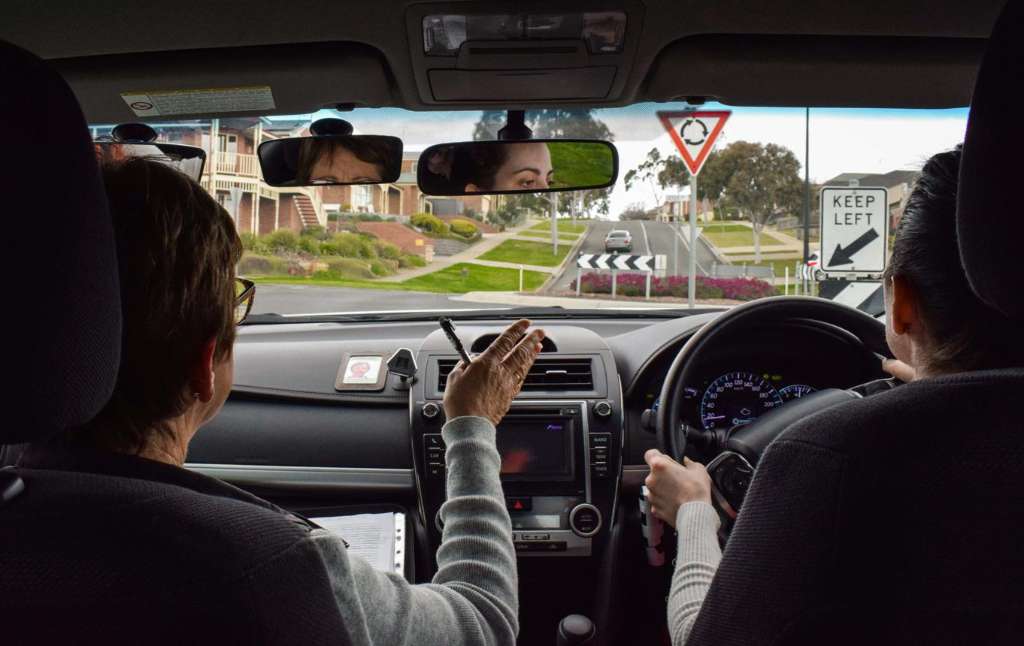
Young learner drivers are gaining more opportunities to practise their driving skills through a three-state driving initiative, designed to increase the number of supervised driving hours they can complete before applying for their licences.
The program aims to support learner drivers by giving them greater flexibility to practise in different locations and road conditions. Supporters say exposure to a variety of environments can help young motorists become safer and more confident drivers.
For many learner drivers, completing the required number of supervised hours can be challenging due to limited access to suitable roads, busy family schedules and a lack of experienced supervisors. The three-state approach provides additional opportunities for learners to spend more time behind the wheel.
Driving experience is considered one of the most important factors in preparing young people for independent driving. Practising in different areas, including regional roads, urban streets and highways, can help learners develop skills needed for a wide range of driving situations.
Road safety experts regularly encourage learner drivers to focus on quality practice rather than simply completing minimum hour requirements. They say experience in different weather conditions, traffic situations and road environments can reduce risks once drivers receive their full licence.
The initiative has attracted attention from families who believe increased flexibility could make it easier for young people to meet driving requirements. Parents and supervisors play an important role in helping learners develop safe habits, including checking blind spots, maintaining safe distances and understanding road rules.
Regional communities have also welcomed measures that help young drivers gain more experience. In areas where public transport options are limited, obtaining a driver licence is often essential for education, employment and accessing services.
However, road safety advocates continue to stress that additional driving hours must be combined with proper instruction and responsible supervision. They say learner drivers should not only focus on completing hours but also developing decision-making skills and defensive driving techniques.
The discussion around learner driver requirements comes as governments continue looking for ways to improve road safety outcomes among young motorists. Young drivers remain one of the groups most vulnerable to serious crashes, particularly during the early years after receiving a licence.
Supporters of expanded practice opportunities believe allowing learners to gain broader experience can help create safer drivers and reduce crash risks. They say confidence built through supervised practice can make the transition to independent driving smoother.
As more young people prepare for their driving tests, initiatives that increase access to supervised practice are expected to remain an important part of driver education discussions.
The three-state driving approach highlights the importance of giving learner drivers more opportunities to develop practical skills before they begin driving independently.
DrivingDriversLearnerYoungRoad
Young learner drivers are gaining more opportunities to practise their driving skills through a three-state driving initiative, designed to increase the number of supervised driving hours they can complete before applying for their licences.
The program aims to support learner drivers by giving them greater flexibility to practise in different locations and road conditions. Supporters say exposure to a variety of environments can help young motorists become safer and more confident drivers.
For many learner drivers, completing the required number of supervised hours can be challenging due to limited access to suitable roads, busy family schedules and a lack of experienced supervisors. The three-state approach provides additional opportunities for learners to spend more time behind the wheel.
Driving experience is considered one of the most important factors in preparing young people for independent driving. Practising in different areas, including regional roads, urban streets and highways, can help learners develop skills needed for a wide range of driving situations.
Road safety experts regularly encourage learner drivers to focus on quality practice rather than simply completing minimum hour requirements. They say experience in different weather conditions, traffic situations and road environments can reduce risks once drivers receive their full licence.
The initiative has attracted attention from families who believe increased flexibility could make it easier for young people to meet driving requirements. Parents and supervisors play an important role in helping learners develop safe habits, including checking blind spots, maintaining safe distances and understanding road rules.
Regional communities have also welcomed measures that help young drivers gain more experience. In areas where public transport options are limited, obtaining a driver licence is often essential for education, employment and accessing services.
However, road safety advocates continue to stress that additional driving hours must be combined with proper instruction and responsible supervision. They say learner drivers should not only focus on completing hours but also developing decision-making skills and defensive driving techniques.
The discussion around learner driver requirements comes as governments continue looking for ways to improve road safety outcomes among young motorists. Young drivers remain one of the groups most vulnerable to serious crashes, particularly during the early years after receiving a licence.
Supporters of expanded practice opportunities believe allowing learners to gain broader experience can help create safer drivers and reduce crash risks. They say confidence built through supervised practice can make the transition to independent driving smoother.
As more young people prepare for their driving tests, initiatives that increase access to supervised practice are expected to remain an important part of driver education discussions.
The three-state driving approach highlights the importance of giving learner drivers more opportunities to develop practical skills before they begin driving independently.
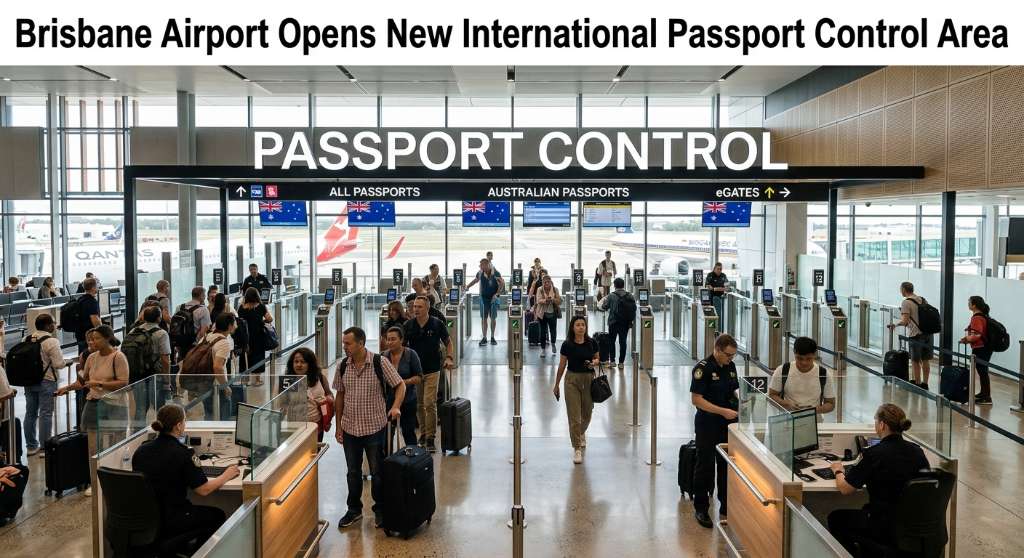
A new 12-lane passport control facility has opened at Brisbane Airport as the airport prepares for more than 1.8 million passengers during the September...
Flight delays and cancellations affected Sydney Airport passengers on Friday morning after staffing shortages prompted temporary air-traffic management...
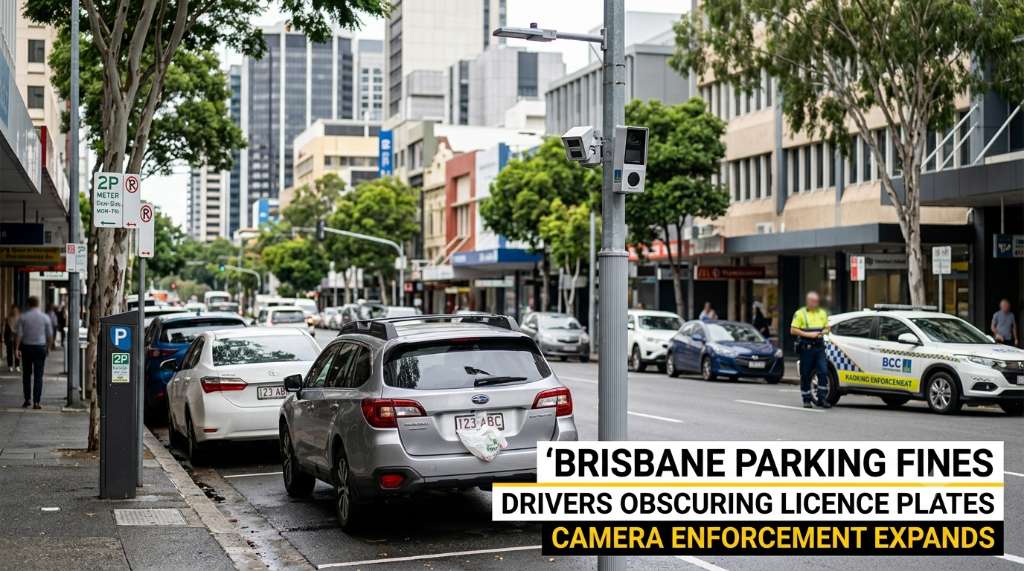
Some Brisbane motorists are covering their licence plates to avoid automatic parking enforcement cameras as council fines approach $35 million this year.
New workplace data shows staff absenteeism jumped sharply during the historic MCG NFL event, while Melbourne businesses also benefited from a major spen...
Cairns Regional Council has unanimously voted to seek $400,000 in Queensland Government funding for a program designed to connect local businesses with the region’s growing film...
An automated external defibrillator and memorial plaque have been installed at Ellery Creek Big Hole following the death of disability advocate Ellen Fr...
Queensland firefighters spent several hours monitoring a significant grass fire at Mary Kinross Park in Bargara, near Bundaberg, after the blaze broke out on Wednesday evening....