Two Queensland electorates abolished in major electoral boundary overhaul
By Neha Maurya · Published 30 Jun 2026 · Updated 30 Jun 2026
Brisbane, Queensland · Queensland News
Safety note: Admin approval is an initial review, not a guarantee that every detail is correct. Check important or urgent claims with official sources and report anything inaccurate or unsafe.
Source and credit: Contributor's own report
Two Queensland electorates abolished in major electoral boundary overhaul - Brisbane, Queensland
Smart summary
Queensland's independent Redistribution Commission has finalised new electoral boundaries ahead of the 2028 state election, abolishing two existing electorates, creating two new ones and significantly redrawing more t...
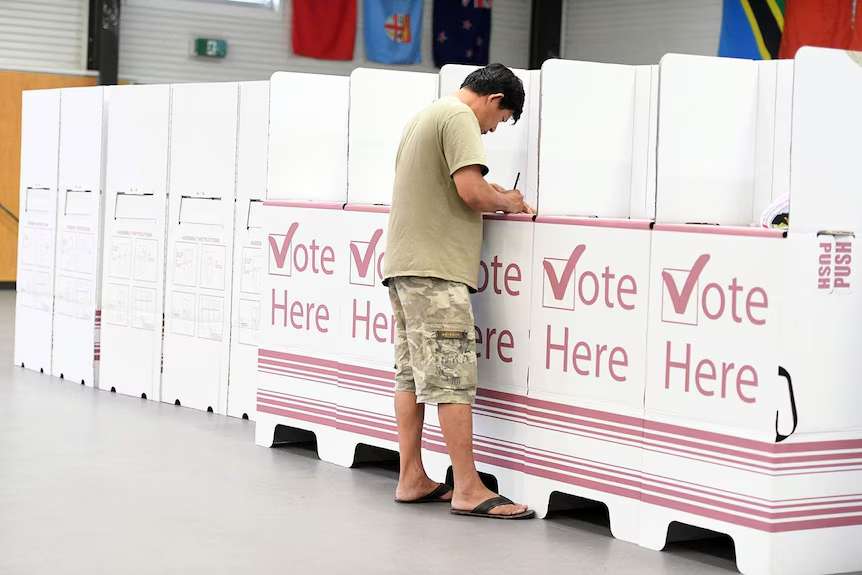
Queensland's political map is set for its biggest transformation in years after the Queensland Redistribution Commission (QRC) released its final electoral boundary review, confirming that two existing state electorates will be abolished and replaced by two new seats before the 2028 Queensland election.
The independent review was undertaken to ensure each electorate contains a similar number of enrolled voters, reflecting rapid population growth in South East Queensland and slower growth in many regional areas. Electoral redistributions are conducted periodically to ensure every vote has approximately equal value as populations change over time.
Under the final decision, the electorates of Hill, currently represented by Katter's Australian Party, and Stretton, held by the Australian Labor Party, will cease to exist. They will be replaced by the new electorates of Caboolture and Springfield, both located in some of Queensland's fastest-growing communities.
The redistribution affects far more than just those two seats. The commission confirmed that 50 of Queensland's 93 electorates will experience boundary changes, with many communities moving into different districts. Several electorates have also been renamed to better reflect modern suburbs and local identities rather than historical figures or outdated geographic descriptions.
The review attracted significant public interest. Hundreds of submissions were received from political parties, councils, community organisations and residents seeking to influence the proposed boundaries. After considering objections to the draft proposal released earlier in the year, the commission made several adjustments before finalising the new electoral map.
Regional representatives expressed disappointment over the abolition of Hill, arguing the change reduces political representation across North Queensland, where electorates already cover vast geographical areas. Katter's Australian Party criticised the decision, saying regional communities risk losing their voice as population growth in South East Queensland continues to drive electoral redistribution.
Meanwhile, political analysts say the creation of the new electorates reflects Queensland's continuing population boom around Brisbane, Moreton Bay and Ipswich. These rapidly expanding suburbs have experienced significant residential development over recent years, making boundary adjustments necessary to maintain balanced voter numbers across the state.
Although electoral redistributions can alter the political landscape, the Queensland Redistribution Commission stressed that the process is conducted independently and without regard to political parties or incumbent members. Commissioners said the objective is to produce fair and balanced electorates based on population data and legislative requirements rather than electoral outcomes.
The new electoral boundaries will not affect the current Parliament but will come into effect at the 2028 Queensland state election. Political parties are expected to spend the coming months assessing how the redistribution may influence campaigning, candidate selection and electoral strategies across the state.
For voters, the changes may mean they will belong to a different electorate at the next election or be represented by a different local member. The Electoral Commission has advised residents to check their electorate once the updated boundaries are officially implemented to ensure they know where they will vote in 2028.
QueenslandElectoralElectoratesWillPolitical
Queensland's political map is set for its biggest transformation in years after the Queensland Redistribution Commission (QRC) released its final electoral boundary review, confirming that two existing state electorates will be abolished and replaced by two new seats before the 2028 Queensland election.
The independent review was undertaken to ensure each electorate contains a similar number of enrolled voters, reflecting rapid population growth in South East Queensland and slower growth in many regional areas. Electoral redistributions are conducted periodically to ensure every vote has approximately equal value as populations change over time.
Under the final decision, the electorates of Hill, currently represented by Katter's Australian Party, and Stretton, held by the Australian Labor Party, will cease to exist. They will be replaced by the new electorates of Caboolture and Springfield, both located in some of Queensland's fastest-growing communities.
The redistribution affects far more than just those two seats. The commission confirmed that 50 of Queensland's 93 electorates will experience boundary changes, with many communities moving into different districts. Several electorates have also been renamed to better reflect modern suburbs and local identities rather than historical figures or outdated geographic descriptions.
The review attracted significant public interest. Hundreds of submissions were received from political parties, councils, community organisations and residents seeking to influence the proposed boundaries. After considering objections to the draft proposal released earlier in the year, the commission made several adjustments before finalising the new electoral map.
Regional representatives expressed disappointment over the abolition of Hill, arguing the change reduces political representation across North Queensland, where electorates already cover vast geographical areas. Katter's Australian Party criticised the decision, saying regional communities risk losing their voice as population growth in South East Queensland continues to drive electoral redistribution.
Meanwhile, political analysts say the creation of the new electorates reflects Queensland's continuing population boom around Brisbane, Moreton Bay and Ipswich. These rapidly expanding suburbs have experienced significant residential development over recent years, making boundary adjustments necessary to maintain balanced voter numbers across the state.
Although electoral redistributions can alter the political landscape, the Queensland Redistribution Commission stressed that the process is conducted independently and without regard to political parties or incumbent members. Commissioners said the objective is to produce fair and balanced electorates based on population data and legislative requirements rather than electoral outcomes.
The new electoral boundaries will not affect the current Parliament but will come into effect at the 2028 Queensland state election. Political parties are expected to spend the coming months assessing how the redistribution may influence campaigning, candidate selection and electoral strategies across the state.
For voters, the changes may mean they will belong to a different electorate at the next election or be represented by a different local member. The Electoral Commission has advised residents to check their electorate once the updated boundaries are officially implemented to ensure they know where they will vote in 2028.
Treasurer Jim Chalmers says the federal budget bottom line has improved by $6 billion compared with the May forecast, while the government faces pressur...
A Queensland parliamentary committee has completed regional hearings on proposed tougher bail laws, hearing from crime victims, legal experts and commun...
Prime Minister Anthony Albanese has launched Australia's campaign for a two-year seat on the United Nations Security Council while signing a decade-long...
The federal Coalition has released an eight-point energy policy proposing changes to Australia's climate legislation, offshore wind zones, vehicle effic...
A 50-year-old man has died after being struck by a vehicle in Fernvale, west of Brisbane, with police launching a homicide investigation and arresting a...
Amateur astronomers are using new telescope technology to photograph the Moon, planets and distant galaxies from Brisbane homes, showing that city skies...
Severe weather in Melbourne has caused flight disruptions from Brisbane, with at least one flight cancelled and other services delayed as passengers tra...
Treasurer Jim Chalmers says the federal budget bottom line has improved by $6 billion compared with the May forecast, while the government faces pressur...
Northern Territory Police are investigating a series of alleged aggravated burglaries in Alice Springs after up to seven homes in the Araluen area were...