Safety note: Admin approval is an initial review, not a guarantee that every detail is correct. Check important or urgent claims with official sources and report anything inaccurate or unsafe.
Source and credit: Contributor's own report
Unexpected Visitor Delights Beachgoers at Terrigal Beach - Central Coast, NSW
Smart summary
A surprise marine visitor made an appearance at Terrigal Beach on the NSW Central Coast, attracting the attention of locals and visitors while highlighting the region's rich coastal wildlife.
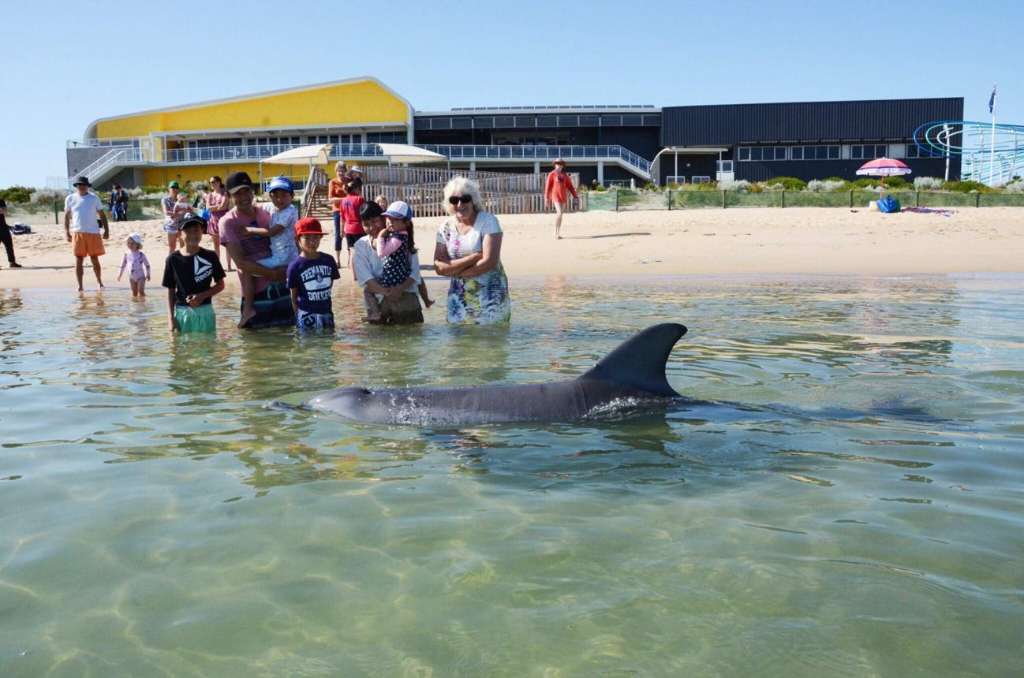
Beachgoers at Terrigal Beach on the New South Wales Central Coast were treated to an unexpected wildlife encounter after a marine animal appeared close to shore, drawing curious onlookers and photographers.
The surprise visitor quickly became the centre of attention as people gathered at a safe distance to watch the animal move through the shallow waters. Many captured photos and videos, sharing the rare sighting on social media and expressing excitement about witnessing native marine wildlife in its natural environment.
Terrigal Beach is well known for its stunning coastline, clear waters and diverse marine ecosystem. The area regularly attracts dolphins, seabirds, rays and other sea life, although close encounters with larger marine animals are less common and often generate significant public interest.
Wildlife experts remind the public that while these encounters are memorable, marine animals should always be given plenty of space. Approaching, feeding or attempting to touch wild animals can cause unnecessary stress and may pose risks to both people and wildlife. Observing animals from a respectful distance allows them to behave naturally without disturbance.
The Central Coast provides important habitat for a variety of marine species throughout the year. Seasonal migrations, changing ocean temperatures and food availability can all influence when animals appear close to beaches. Scientists say these sightings offer valuable opportunities to increase public appreciation of Australia's coastal biodiversity.
Residents described the unexpected visitor as a welcome reminder of the unique natural environment surrounding the Central Coast. Many visitors paused their beach activities to watch the animal before it eventually continued on its way.
Environmental groups encourage people who witness unusual wildlife sightings to report them to relevant authorities or local conservation organisations, particularly if an animal appears injured, stranded or distressed. Such reports can assist researchers in monitoring marine populations and responding when assistance is needed.
Authorities also advise beachgoers to follow any directions issued by lifeguards or wildlife officers if an animal is present near popular swimming areas. Temporary exclusion zones may sometimes be established to ensure both public safety and the welfare of the animal.
Terrigal remains one of the Central Coast's most popular beach destinations, attracting visitors year-round for swimming, surfing and coastal walks. Encounters like this highlight the close connection between the community and the surrounding marine environment, reminding visitors that Australia's beaches are shared with an incredible variety of native wildlife.
While sightings of marine animals are often brief, they leave lasting memories for those fortunate enough to witness them and reinforce the importance of protecting coastal ecosystems for future generations.
MarineWildlifeAnimalAnimalsBeach
Beachgoers at Terrigal Beach on the New South Wales Central Coast were treated to an unexpected wildlife encounter after a marine animal appeared close to shore, drawing curious onlookers and photographers.
The surprise visitor quickly became the centre of attention as people gathered at a safe distance to watch the animal move through the shallow waters. Many captured photos and videos, sharing the rare sighting on social media and expressing excitement about witnessing native marine wildlife in its natural environment.
Terrigal Beach is well known for its stunning coastline, clear waters and diverse marine ecosystem. The area regularly attracts dolphins, seabirds, rays and other sea life, although close encounters with larger marine animals are less common and often generate significant public interest.
Wildlife experts remind the public that while these encounters are memorable, marine animals should always be given plenty of space. Approaching, feeding or attempting to touch wild animals can cause unnecessary stress and may pose risks to both people and wildlife. Observing animals from a respectful distance allows them to behave naturally without disturbance.
The Central Coast provides important habitat for a variety of marine species throughout the year. Seasonal migrations, changing ocean temperatures and food availability can all influence when animals appear close to beaches. Scientists say these sightings offer valuable opportunities to increase public appreciation of Australia's coastal biodiversity.
Residents described the unexpected visitor as a welcome reminder of the unique natural environment surrounding the Central Coast. Many visitors paused their beach activities to watch the animal before it eventually continued on its way.
Environmental groups encourage people who witness unusual wildlife sightings to report them to relevant authorities or local conservation organisations, particularly if an animal appears injured, stranded or distressed. Such reports can assist researchers in monitoring marine populations and responding when assistance is needed.
Authorities also advise beachgoers to follow any directions issued by lifeguards or wildlife officers if an animal is present near popular swimming areas. Temporary exclusion zones may sometimes be established to ensure both public safety and the welfare of the animal.
Terrigal remains one of the Central Coast's most popular beach destinations, attracting visitors year-round for swimming, surfing and coastal walks. Encounters like this highlight the close connection between the community and the surrounding marine environment, reminding visitors that Australia's beaches are shared with an incredible variety of native wildlife.
While sightings of marine animals are often brief, they leave lasting memories for those fortunate enough to witness them and reinforce the importance of protecting coastal ecosystems for future generations.
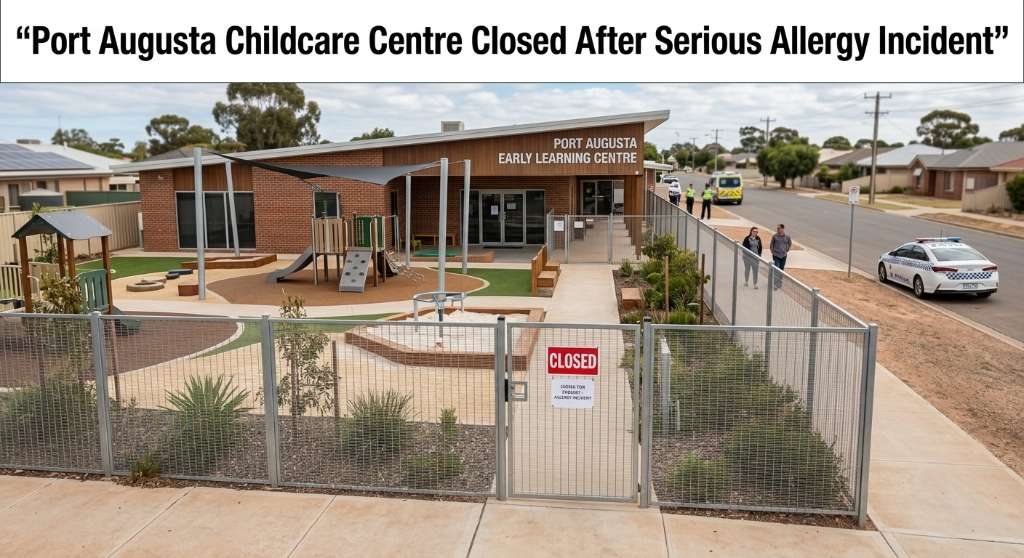
An Edge Early Learning centre in Port Augusta has been ordered to close for two weeks after a child with allergies was hospitalised after being given fo...
The statewide scheme allows eligible renters to transfer their existing bond directly to a new rental property instead of paying a second bond upfront.
Global diesel shortages and disrupted shipping routes are pushing up fuel costs and creating growing risks for Australia’s farmers, miners and wider eco...
Central Coast New South Wales · General News · 15 Sep 2026
A teenager accused of negligent driving following a fatal crash on the NSW Central Coast has been refused bail in court today, Tuesday, September 15, 2026. The case follows a se...
A 36-year-old man has been charged after investigators allegedly found fraudulent identification documents, cloned number plates, cash and drug-manufact...
A Sydney court has heard that a man sent 249 messages to a former partner within 24 hours, with the messages treated as a single alleged breach of an ap...
A high-profile athlete has returned to court and told the hearing that an alleged unwanted kiss by former broadcaster Alan Jones remained difficult to f...
Work on the $150 million Sydney Town Hall Square project has been paused after the NSW Planning Minister referred the development for review by the Inde...
Cairns Regional Council has unanimously voted to seek $400,000 in Queensland Government funding for a program designed to connect local businesses with the region’s growing film...
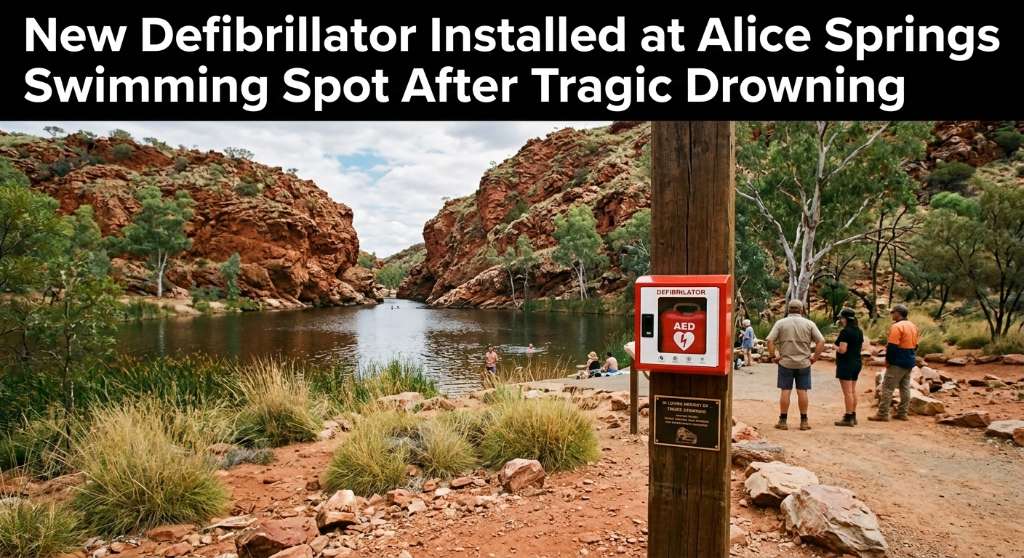
An automated external defibrillator and memorial plaque have been installed at Ellery Creek Big Hole following the death of disability advocate Ellen Fr...
Queensland firefighters spent several hours monitoring a significant grass fire at Mary Kinross Park in Bargara, near Bundaberg, after the blaze broke out on Wednesday evening....