Safety note: Admin approval is an initial review, not a guarantee that every detail is correct. Check important or urgent claims with official sources and report anything inaccurate or unsafe.
Source and credit: Contributor's own report
WA billionaire Tim Roberts rescues stranded outback travellers in helicopter after chance stop - Perth, WA
Smart summary
A chance encounter in remote Western Australia led billionaire businessman Tim Roberts to use his helicopter to rescue stranded travellers in the outback, highlighting how quickly conditions can turn dangerous in isol...
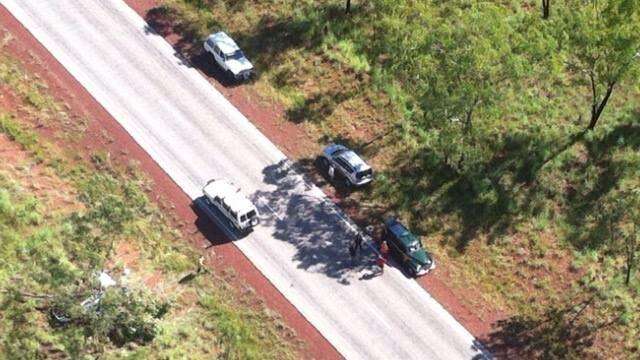
A group of stranded outback travellers in Western Australia were dramatically rescued after a chance stop led to billionaire businessman Tim Roberts deploying his private helicopter to reach them in remote terrain.
According to the report, the travellers became stranded in a remote part of the WA outback after their vehicle was immobilised in harsh conditions, leaving them without a reliable way to continue their journey. With limited mobile coverage and long distances between stations and towns, the situation quickly became potentially dangerous, particularly given the extreme heat and isolation typical of inland Western Australia.
The rescue unfolded unexpectedly when Roberts happened to stop in the area during travel. Upon discovering the stranded group, he organised an immediate response using his helicopter, which was already available as part of his aviation resources through his business interests.
Flying into the remote location, the helicopter was able to reach the group far more quickly than ground-based emergency assistance could have arrived. The travellers were safely extracted and transported to a safer location, avoiding what could have become a serious survival situation if they had remained stranded for longer.
Outback rescues in Western Australia often involve long delays due to distance, terrain, and limited emergency infrastructure. In many cases, stranded motorists must rely on satellite communication devices or passing traffic to raise the alarm. This incident highlights how private aircraft can sometimes play a critical role in remote-area emergencies when timing is crucial.
Roberts is widely known as a prominent WA businessman with extensive interests in aviation, infrastructure and investment through his family office and associated companies. His business background includes involvement in aircraft operations and high-value aviation assets, which makes helicopter capability readily available in certain circumstances.
The travellers involved were reportedly fortunate that assistance arrived quickly, as conditions in remote WA can deteriorate rapidly, especially if people are without water, shelter, or communication. Even short delays in rescue operations in these environments can escalate risks significantly.
While the incident was not part of a formal emergency services operation, it underscores ongoing concerns about safety in Australia’s remote regions and the importance of preparation when travelling through isolated areas. Authorities consistently advise motorists in outback WA to carry emergency supplies, including water, satellite communication devices, and recovery equipment, due to the vast distances between service points.
The story has also drawn attention to the unpredictable nature of outback travel, where assistance can come from unexpected sources. In this case, a chance encounter turned into a life-saving intervention, ensuring the safe recovery of the stranded group.
The travellers are understood to have been safely relocated after the helicopter extraction, and no injuries were reported. The incident serves as a reminder of both the risks of remote travel and the critical importance of rapid response capability in Australia’s vast interior.
StrandedHelicopterOutbackRemoteTravellers
A group of stranded outback travellers in Western Australia were dramatically rescued after a chance stop led to billionaire businessman Tim Roberts deploying his private helicopter to reach them in remote terrain.
According to the report, the travellers became stranded in a remote part of the WA outback after their vehicle was immobilised in harsh conditions, leaving them without a reliable way to continue their journey. With limited mobile coverage and long distances between stations and towns, the situation quickly became potentially dangerous, particularly given the extreme heat and isolation typical of inland Western Australia.
The rescue unfolded unexpectedly when Roberts happened to stop in the area during travel. Upon discovering the stranded group, he organised an immediate response using his helicopter, which was already available as part of his aviation resources through his business interests.
Flying into the remote location, the helicopter was able to reach the group far more quickly than ground-based emergency assistance could have arrived. The travellers were safely extracted and transported to a safer location, avoiding what could have become a serious survival situation if they had remained stranded for longer.
Outback rescues in Western Australia often involve long delays due to distance, terrain, and limited emergency infrastructure. In many cases, stranded motorists must rely on satellite communication devices or passing traffic to raise the alarm. This incident highlights how private aircraft can sometimes play a critical role in remote-area emergencies when timing is crucial.
Roberts is widely known as a prominent WA businessman with extensive interests in aviation, infrastructure and investment through his family office and associated companies. His business background includes involvement in aircraft operations and high-value aviation assets, which makes helicopter capability readily available in certain circumstances.
The travellers involved were reportedly fortunate that assistance arrived quickly, as conditions in remote WA can deteriorate rapidly, especially if people are without water, shelter, or communication. Even short delays in rescue operations in these environments can escalate risks significantly.
While the incident was not part of a formal emergency services operation, it underscores ongoing concerns about safety in Australia’s remote regions and the importance of preparation when travelling through isolated areas. Authorities consistently advise motorists in outback WA to carry emergency supplies, including water, satellite communication devices, and recovery equipment, due to the vast distances between service points.
The story has also drawn attention to the unpredictable nature of outback travel, where assistance can come from unexpected sources. In this case, a chance encounter turned into a life-saving intervention, ensuring the safe recovery of the stranded group.
The travellers are understood to have been safely relocated after the helicopter extraction, and no injuries were reported. The incident serves as a reminder of both the risks of remote travel and the critical importance of rapid response capability in Australia’s vast interior.
A carpentry apprentice in Alice Springs says course cancellations at Charles Darwin University could delay his qualification by up to 12 months because...
A carpentry apprentice in Alice Springs says course cancellations at Charles Darwin University could delay his qualification by up to 12 months because...
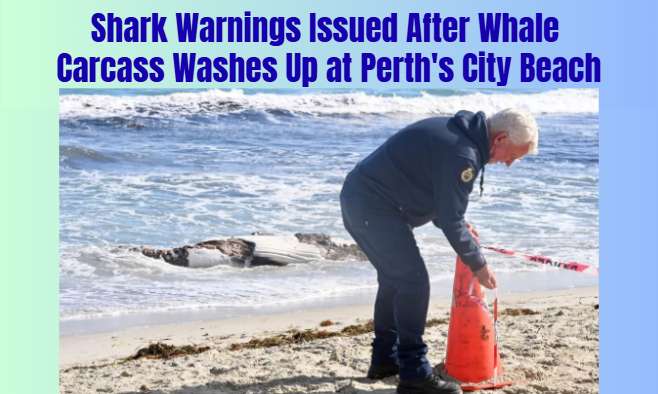
Several sharks have been spotted near a whale carcass that washed ashore at Perth's City Beach, prompting authorities to issue multiple warnings for swi...
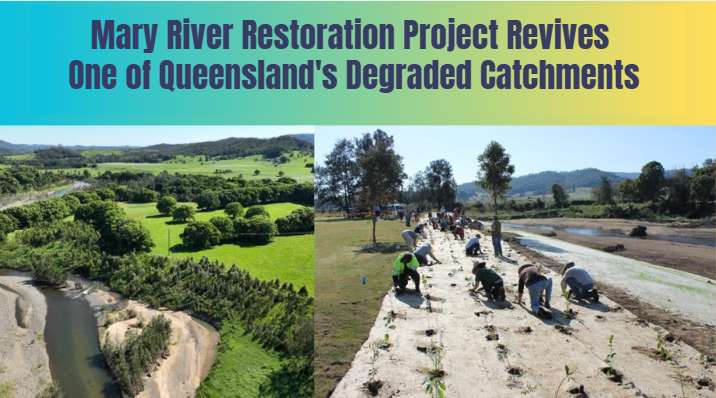
A long-running community restoration effort along Queensland's Mary River is reducing erosion, improving water quality and helping restore habitat for n...
Several sharks have been spotted near a whale carcass that washed ashore at Perth's City Beach, prompting authorities to issue multiple warnings for swi...
Australian tennis player Talia Gibson has reached her first WTA Tour-level singles final at the Singapore Open after Tatiana Prozorova withdrew from the...
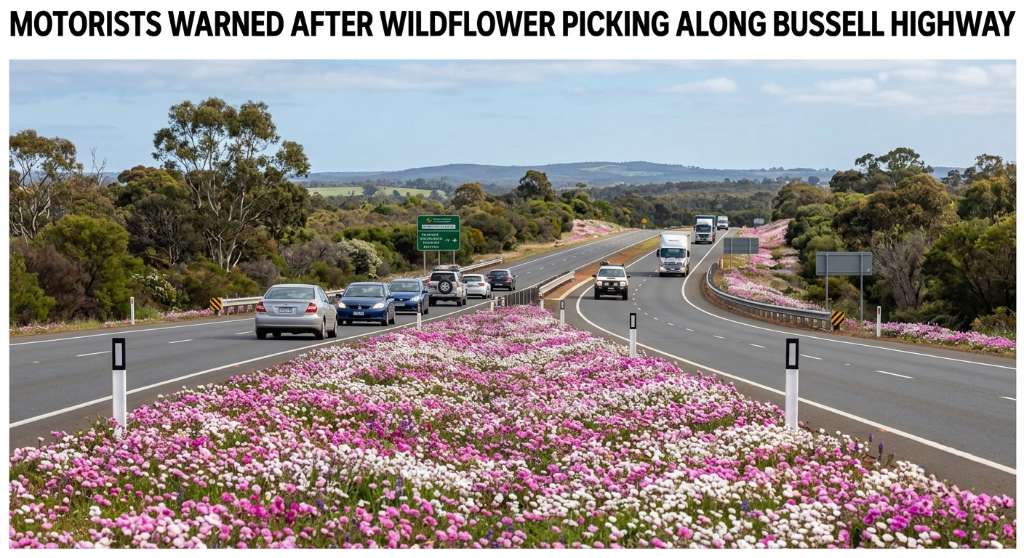
Drivers stopping to pick or photograph colourful everlasting wildflowers along Western Australia’s Bussell Highway are being warned about serious road-s...
Three separate earthquakes were recorded near Port Hedland in Western Australia over the weekend, with more than 100 reports submitted to Geoscience Aus...
Treasurer Jim Chalmers says the federal budget bottom line has improved by $6 billion compared with the May forecast, while the government faces pressur...
Northern Territory Police are investigating a series of alleged aggravated burglaries in Alice Springs after up to seven homes in the Araluen area were...