Albany, Western Australia · Western Australia News
Safety note: Admin approval is an initial review, not a guarantee that every detail is correct. Check important or urgent claims with official sources and report anything inaccurate or unsafe.
Source and credit: Contributor's own report
WA regional courts to reopen a month earlier than planned after security fix - Albany, Western Australia
Smart summary
More than 20 regional and remote Western Australian courts will resume operations earlier than expected, after authorities resolved a security staffing issue that had forced widespread closures across the state.
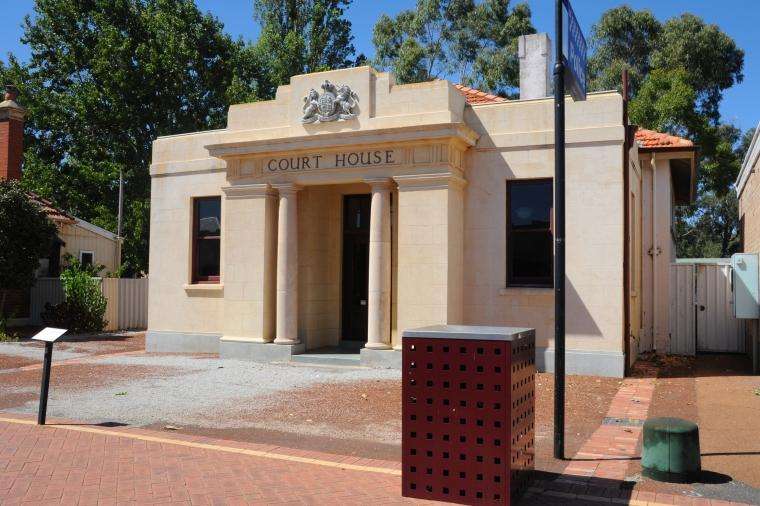
Regional courts across Western Australia that were temporarily shut down due to a shortage of court security and custodial staff will now reopen about one month earlier than originally scheduled, restoring access to justice for many regional communities.
The closures affected more than 20 regional courthouses from June 2026, after WA Police and justice authorities advised they could not guarantee adequate security and prisoner handling services at a number of locations. As a result, many Magistrates Court and Children’s Court sittings were suspended, with hearings either delayed, relocated to larger centres, or conducted via video link where possible.
According to updated arrangements, the courts will now begin reopening from August 3, 2026, instead of the previously expected later reopening date in late August. The change follows the introduction of additional police auxiliary officers, who have now completed or are nearing completion of required training to support court security and custody operations.
The Western Australian Government has described the development as a stabilisation of the court system after weeks of disruption that affected defendants, victims, witnesses, and legal services across regional WA. The earlier reopening is expected to ease pressure on the justice system and reduce the need for long-distance travel to metropolitan courts.
During the closure period, only selected regional centres—including major hubs such as Geraldton, Kalgoorlie, Broome and Kununurra—continued to operate full sittings. Smaller communities were forced to rely on circuit arrangements, which created delays in hearings and increased logistical challenges for police and court users.
The disruption highlighted ongoing concerns about staffing levels in regional justice services, particularly the reliance on police or contracted personnel to provide courthouse security in remote areas. Authorities had warned that without adequate staffing, court sittings could not proceed safely due to the need for prisoner transport and in-custody management.
Legal stakeholders and regional advocacy groups had raised concerns about the impact of the closures, arguing that delays in hearings could lead to longer remand periods, postponed family law matters, and increased travel costs for affected residents. The changes also placed additional strain on legal aid services and police resources, which had to coordinate appearances across multiple jurisdictions.
The government says the recruitment and deployment of auxiliary officers is part of a broader effort to strengthen regional justice infrastructure and reduce reliance on overstretched police resources. Officials have indicated that ongoing training and staffing reviews will continue to ensure courts remain operational in regional locations.
While the earlier reopening is being welcomed, authorities have noted that the system remains under review and that long-term solutions are still being developed to prevent similar disruptions in the future.
For now, the return of regional court sittings from early August is expected to restore normal legal operations across most affected communities and significantly reduce the backlog of delayed hearings.
RegionalCourtPoliceCourtsJustice
Regional courts across Western Australia that were temporarily shut down due to a shortage of court security and custodial staff will now reopen about one month earlier than originally scheduled, restoring access to justice for many regional communities.
The closures affected more than 20 regional courthouses from June 2026, after WA Police and justice authorities advised they could not guarantee adequate security and prisoner handling services at a number of locations. As a result, many Magistrates Court and Children’s Court sittings were suspended, with hearings either delayed, relocated to larger centres, or conducted via video link where possible.
According to updated arrangements, the courts will now begin reopening from August 3, 2026, instead of the previously expected later reopening date in late August. The change follows the introduction of additional police auxiliary officers, who have now completed or are nearing completion of required training to support court security and custody operations.
The Western Australian Government has described the development as a stabilisation of the court system after weeks of disruption that affected defendants, victims, witnesses, and legal services across regional WA. The earlier reopening is expected to ease pressure on the justice system and reduce the need for long-distance travel to metropolitan courts.
During the closure period, only selected regional centres—including major hubs such as Geraldton, Kalgoorlie, Broome and Kununurra—continued to operate full sittings. Smaller communities were forced to rely on circuit arrangements, which created delays in hearings and increased logistical challenges for police and court users.
The disruption highlighted ongoing concerns about staffing levels in regional justice services, particularly the reliance on police or contracted personnel to provide courthouse security in remote areas. Authorities had warned that without adequate staffing, court sittings could not proceed safely due to the need for prisoner transport and in-custody management.
Legal stakeholders and regional advocacy groups had raised concerns about the impact of the closures, arguing that delays in hearings could lead to longer remand periods, postponed family law matters, and increased travel costs for affected residents. The changes also placed additional strain on legal aid services and police resources, which had to coordinate appearances across multiple jurisdictions.
The government says the recruitment and deployment of auxiliary officers is part of a broader effort to strengthen regional justice infrastructure and reduce reliance on overstretched police resources. Officials have indicated that ongoing training and staffing reviews will continue to ensure courts remain operational in regional locations.
While the earlier reopening is being welcomed, authorities have noted that the system remains under review and that long-term solutions are still being developed to prevent similar disruptions in the future.
For now, the return of regional court sittings from early August is expected to restore normal legal operations across most affected communities and significantly reduce the backlog of delayed hearings.
A carpentry apprentice in Alice Springs says course cancellations at Charles Darwin University could delay his qualification by up to 12 months because...
A carpentry apprentice in Alice Springs says course cancellations at Charles Darwin University could delay his qualification by up to 12 months because...
Several sharks have been spotted near a whale carcass that washed ashore at Perth's City Beach, prompting authorities to issue multiple warnings for swi...
A long-running community restoration effort along Queensland's Mary River is reducing erosion, improving water quality and helping restore habitat for n...
Several sharks have been spotted near a whale carcass that washed ashore at Perth's City Beach, prompting authorities to issue multiple warnings for swi...
Australian tennis player Talia Gibson has reached her first WTA Tour-level singles final at the Singapore Open after Tatiana Prozorova withdrew from the...
Drivers stopping to pick or photograph colourful everlasting wildflowers along Western Australia’s Bussell Highway are being warned about serious road-s...
Three separate earthquakes were recorded near Port Hedland in Western Australia over the weekend, with more than 100 reports submitted to Geoscience Aus...
Treasurer Jim Chalmers says the federal budget bottom line has improved by $6 billion compared with the May forecast, while the government faces pressur...
Northern Territory Police are investigating a series of alleged aggravated burglaries in Alice Springs after up to seven homes in the Araluen area were...