Safety note: Admin approval is an initial review, not a guarantee that every detail is correct. Check important or urgent claims with official sources and report anything inaccurate or unsafe.
Source and credit: Contributor's own report
WA tow truck industry reforms come into force to curb rogue behaviour - Perth, WA
Smart summary
New Western Australian laws are now active, introducing stricter licensing, “fit and proper person” tests, fee regulation, and tighter oversight of crash towing operators to improve safety and reduce exploitation at a...
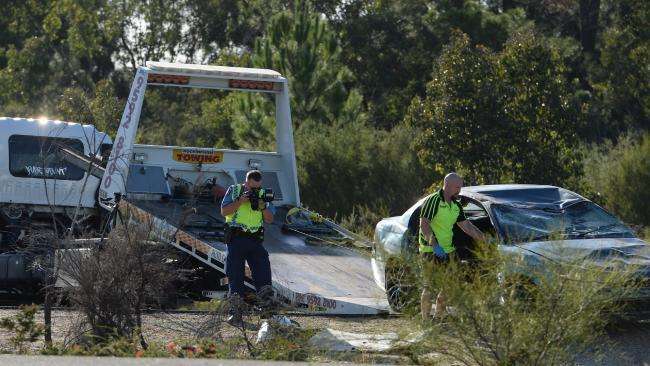
Western Australia’s second stage of tow truck industry reforms has officially come into effect, marking a major overhaul of how crash towing businesses operate across the state.
The new rules are designed to clamp down on predatory behaviour that has long been reported at crash scenes, including intimidation of drivers, inflated towing charges, and unsafe or unethical business practices. The reforms follow a 2022 government consultation that found a significant proportion of motorists had experienced poor treatment from towing operators after accidents.
Under the updated system, all businesses that want to provide crash towing services must now apply for formal authorisation. This introduces a “fit and proper person” test, meaning operators with serious criminal histories—such as certain drug or firearms convictions—may be disqualified from running or being involved in towing businesses.
Authorities will also assess applicants more broadly for suitability, including reviewing past behaviour and requiring national police clearances. Regulators say the goal is to ensure operators demonstrate honesty, integrity, and professional conduct before being allowed to tow vehicles from accident scenes.
The reforms are being rolled out in stages. The first phase, introduced earlier, focused on banning so-called “spotter fees” (payments to encourage towing referrals at crash sites), setting maximum charges for crash towing in metropolitan areas, and requiring operators to clearly disclose costs upfront to consumers.
This second phase expands oversight to the business level, while a third phase—planned for 2026–27—will further regulate individual towing workers.
To improve transparency, authorised towing companies must now display their approval details and use official “authority to tow” documentation when removing vehicles. Regulators say this will help drivers confirm they are dealing with legitimate operators and understand where their vehicles are being taken.
Fee structures are also being tightened. In Perth and Peel, crash towing charges are capped (with light vehicle towing around the low-$500 range), along with regulated daily storage fees and limits on additional charges such as administration and after-hours costs.
However, regional WA remains more complex. Due to large distances and higher operational costs, strict fee caps are not yet applied in all regional areas, though authorities say further regulation may be introduced later.
The Department of Transport says the changes are aimed at protecting vulnerable motorists immediately after crashes—when they may be distressed and more likely to agree to expensive or unclear towing arrangements. Officials have also flagged that enforcement powers will be used against businesses that operate without authorisation.
Industry oversight will continue to tighten over the next few years, with the government signalling that this reform program is still ongoing and may expand to address issues such as storage yard practices and secondary towing fees in future stages.
TowingCrashOperatorsWillBusinesses
Western Australia’s second stage of tow truck industry reforms has officially come into effect, marking a major overhaul of how crash towing businesses operate across the state.
The new rules are designed to clamp down on predatory behaviour that has long been reported at crash scenes, including intimidation of drivers, inflated towing charges, and unsafe or unethical business practices. The reforms follow a 2022 government consultation that found a significant proportion of motorists had experienced poor treatment from towing operators after accidents.
Under the updated system, all businesses that want to provide crash towing services must now apply for formal authorisation. This introduces a “fit and proper person” test, meaning operators with serious criminal histories—such as certain drug or firearms convictions—may be disqualified from running or being involved in towing businesses.
Authorities will also assess applicants more broadly for suitability, including reviewing past behaviour and requiring national police clearances. Regulators say the goal is to ensure operators demonstrate honesty, integrity, and professional conduct before being allowed to tow vehicles from accident scenes.
The reforms are being rolled out in stages. The first phase, introduced earlier, focused on banning so-called “spotter fees” (payments to encourage towing referrals at crash sites), setting maximum charges for crash towing in metropolitan areas, and requiring operators to clearly disclose costs upfront to consumers.
This second phase expands oversight to the business level, while a third phase—planned for 2026–27—will further regulate individual towing workers.
To improve transparency, authorised towing companies must now display their approval details and use official “authority to tow” documentation when removing vehicles. Regulators say this will help drivers confirm they are dealing with legitimate operators and understand where their vehicles are being taken.
Fee structures are also being tightened. In Perth and Peel, crash towing charges are capped (with light vehicle towing around the low-$500 range), along with regulated daily storage fees and limits on additional charges such as administration and after-hours costs.
However, regional WA remains more complex. Due to large distances and higher operational costs, strict fee caps are not yet applied in all regional areas, though authorities say further regulation may be introduced later.
The Department of Transport says the changes are aimed at protecting vulnerable motorists immediately after crashes—when they may be distressed and more likely to agree to expensive or unclear towing arrangements. Officials have also flagged that enforcement powers will be used against businesses that operate without authorisation.
Industry oversight will continue to tighten over the next few years, with the government signalling that this reform program is still ongoing and may expand to address issues such as storage yard practices and secondary towing fees in future stages.
Queensland Police have charged a 24-year-old Coomera man following an alleged stolen-truck incident and hit-and-run crash across the northern Gold Coast. Police say the investig...
A dramatic close call at Brisbane's Howard Smith Wharves has reignited discussions about pedestrian safety, rider responsibility and the use of shared p...
From European-style villages and tropical rainforests to turquoise beaches and dramatic desert landscapes, these Australian locations offer internationa...
The City of Moreton Bay will launch Australia's first next-generation AI traffic light pilot in Petrie, using intelligent sensors and artificial intelli...
Geraldton is set to receive the Midwest region's first four-wheel-drive ambulance in October after concerns about emergency access to remote beaches, sa...
Heavy and near-record rainfall has inundated parts of Western Australia's Goldfields and Esperance region, damaging pastoral properties and forcing the...
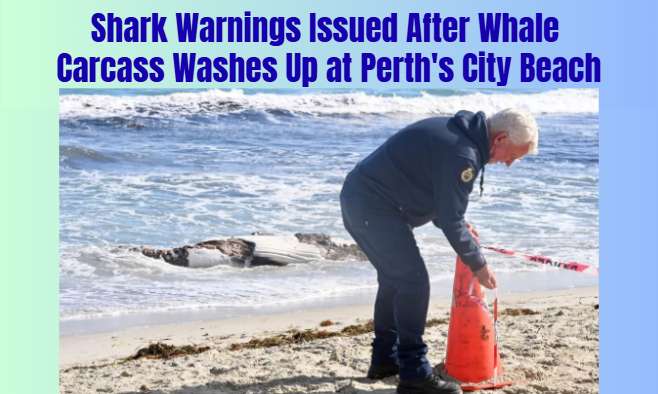
Several sharks have been spotted near a whale carcass that washed ashore at Perth's City Beach, prompting authorities to issue multiple warnings for swi...
Australian tennis player Talia Gibson has reached her first WTA Tour-level singles final at the Singapore Open after Tatiana Prozorova withdrew from the...
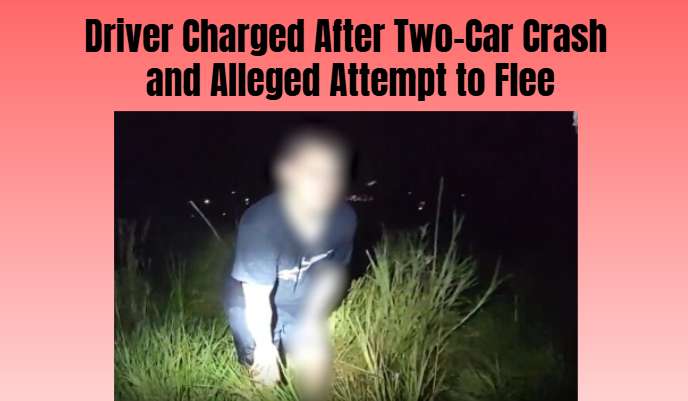
A 22-year-old Elimbah man has been charged after a two-car crash at Baringa on the Sunshine Coast, with police alleging he fled into nearby bushland bef...
A new proposal for factory-built ecohomes in Orange aims to speed up construction while reducing household energy costs as local property prices remain...
Geelong's historic Botanic Gardens are preparing for their 175th anniversary, with volunteers and horticultural staff working to preserve a living colle...