Safety note: Admin approval is an initial review, not a guarantee that every detail is correct. Check important or urgent claims with official sources and report anything inaccurate or unsafe.
Source and credit: Contributor's own report
Wagga cattle yarding falls after widespread rain across supply area - Wagga Wagga, NSW
Smart summary
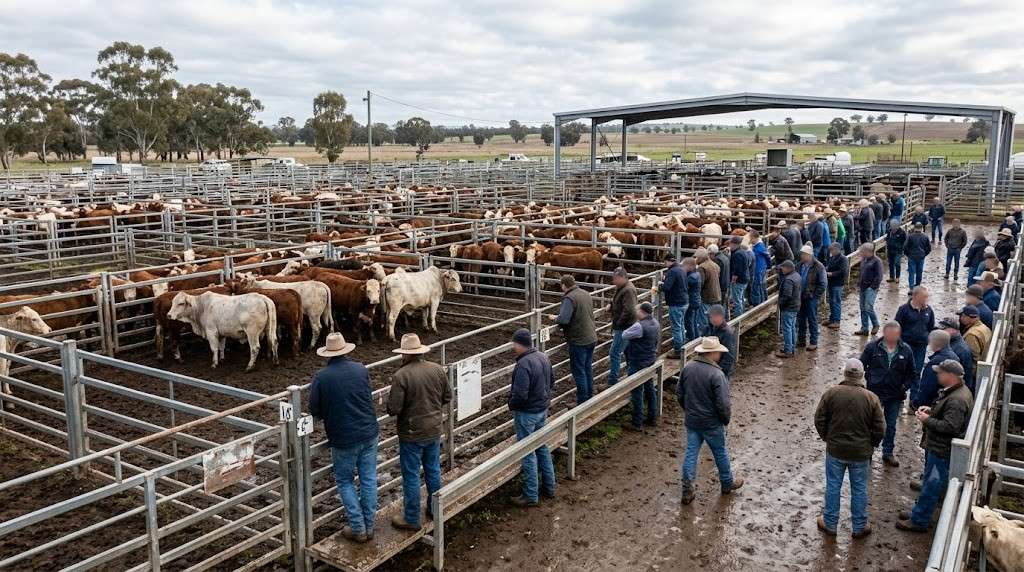
Cattle numbers at the Wagga Wagga sale fell to about 3,100 head on 10 August after widespread rain affected livestock supply across the region.
Wagga Wagga's livestock market recorded a reduced yarding on Monday, 10 August 2026, with approximately 3,100 cattle presented for sale after widespread rain affected the region's supply area. The latest market report said numbers were down by 395 head compared with the previous sale.
The reduction in cattle numbers reflects the impact that rainfall can have on livestock movements and the availability of animals for sale. When significant rain affects properties across a supply area, producers may change their plans for transporting cattle, particularly where paddock and road conditions make movement more difficult.
The Wagga Wagga sale is an important livestock market for the Riverina and surrounding agricultural districts. Changes in weekly yarding numbers can therefore provide an indication of conditions affecting local producers and the broader regional cattle industry.
The latest sale was described as mostly a secondary yarding, with widespread rain contributing to the reduction in numbers. Secondary cattle can include animals being offered for different production or market purposes, and the composition of a weekly yarding can influence how buyers assess the available stock.
Rainfall can have both positive and challenging effects for livestock producers. Good rain can improve pasture conditions and provide valuable moisture for agricultural operations, potentially encouraging producers to retain cattle rather than send them to market. At the same time, wet conditions can affect transport, paddock access and timing of livestock sales.
For cattle producers around Wagga Wagga, the decision to sell animals depends on a range of factors including pasture availability, seasonal conditions, feed costs, cattle prices and individual farm requirements. A fall in yarding numbers does not necessarily indicate reduced cattle production; it can instead reflect producers responding to current conditions.
The Wagga market is closely watched by farmers, livestock buyers and agricultural businesses because weekly sales provide information about supply and demand. Market conditions can influence decisions about when to sell cattle and how producers manage their herds.
The latest report is particularly relevant because the reduction in yarding followed widespread rain across the supply area. Weather conditions can quickly influence agricultural markets, especially when livestock need to be transported from properties to selling centres.
The 10 August sale therefore provides a snapshot of the Riverina's agricultural conditions at the beginning of the week. Continued rainfall could influence future yardings if producers experience difficulties moving stock or decide to retain animals because of improved pasture conditions.
Conversely, if conditions become suitable for livestock movement, cattle numbers could increase at subsequent sales as producers adjust their marketing schedules.
The Wagga Wagga livestock market is an important part of the regional agricultural economy, connecting producers with buyers and supporting the wider network of transport, stock handling and agricultural businesses.
This report is a distinct Wagga Wagga agricultural market story published on 10 August 2026. I have excluded today's weather report, court listings, property advertisements and older Wagga Wagga stories.
WaggaCattleConditionsProducersLivestock
Wagga Wagga's livestock market recorded a reduced yarding on Monday, 10 August 2026, with approximately 3,100 cattle presented for sale after widespread rain affected the region's supply area. The latest market report said numbers were down by 395 head compared with the previous sale.
The reduction in cattle numbers reflects the impact that rainfall can have on livestock movements and the availability of animals for sale. When significant rain affects properties across a supply area, producers may change their plans for transporting cattle, particularly where paddock and road conditions make movement more difficult.
The Wagga Wagga sale is an important livestock market for the Riverina and surrounding agricultural districts. Changes in weekly yarding numbers can therefore provide an indication of conditions affecting local producers and the broader regional cattle industry.
The latest sale was described as mostly a secondary yarding, with widespread rain contributing to the reduction in numbers. Secondary cattle can include animals being offered for different production or market purposes, and the composition of a weekly yarding can influence how buyers assess the available stock.
Rainfall can have both positive and challenging effects for livestock producers. Good rain can improve pasture conditions and provide valuable moisture for agricultural operations, potentially encouraging producers to retain cattle rather than send them to market. At the same time, wet conditions can affect transport, paddock access and timing of livestock sales.
For cattle producers around Wagga Wagga, the decision to sell animals depends on a range of factors including pasture availability, seasonal conditions, feed costs, cattle prices and individual farm requirements. A fall in yarding numbers does not necessarily indicate reduced cattle production; it can instead reflect producers responding to current conditions.
The Wagga market is closely watched by farmers, livestock buyers and agricultural businesses because weekly sales provide information about supply and demand. Market conditions can influence decisions about when to sell cattle and how producers manage their herds.
The latest report is particularly relevant because the reduction in yarding followed widespread rain across the supply area. Weather conditions can quickly influence agricultural markets, especially when livestock need to be transported from properties to selling centres.
The 10 August sale therefore provides a snapshot of the Riverina's agricultural conditions at the beginning of the week. Continued rainfall could influence future yardings if producers experience difficulties moving stock or decide to retain animals because of improved pasture conditions.
Conversely, if conditions become suitable for livestock movement, cattle numbers could increase at subsequent sales as producers adjust their marketing schedules.
The Wagga Wagga livestock market is an important part of the regional agricultural economy, connecting producers with buyers and supporting the wider network of transport, stock handling and agricultural businesses.
This report is a distinct Wagga Wagga agricultural market story published on 10 August 2026. I have excluded today's weather report, court listings, property advertisements and older Wagga Wagga stories.
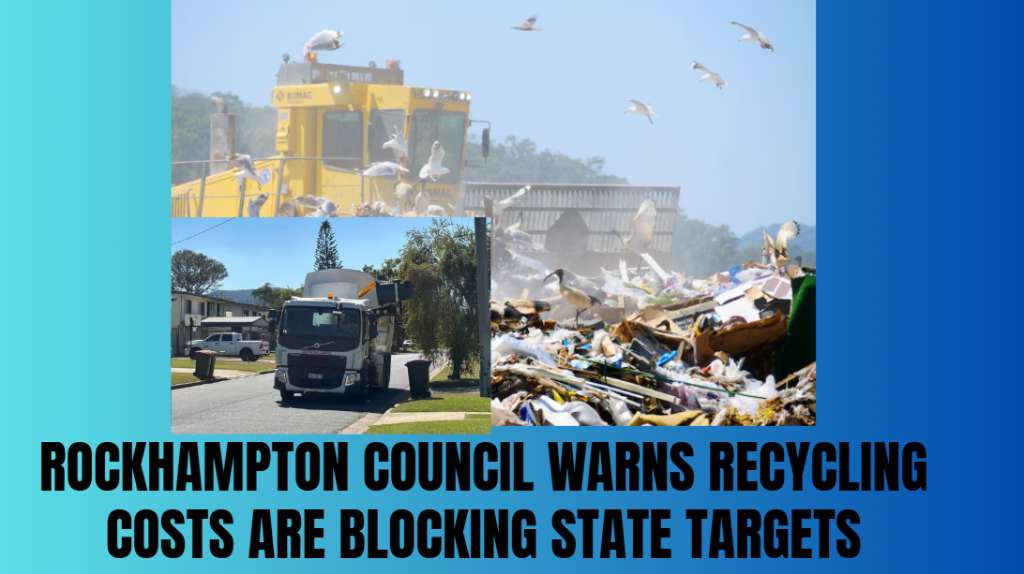
Rockhampton Regional Council says the rising cost of transporting recyclable waste hundreds of kilometres is making it difficult to meet Queensland's re...
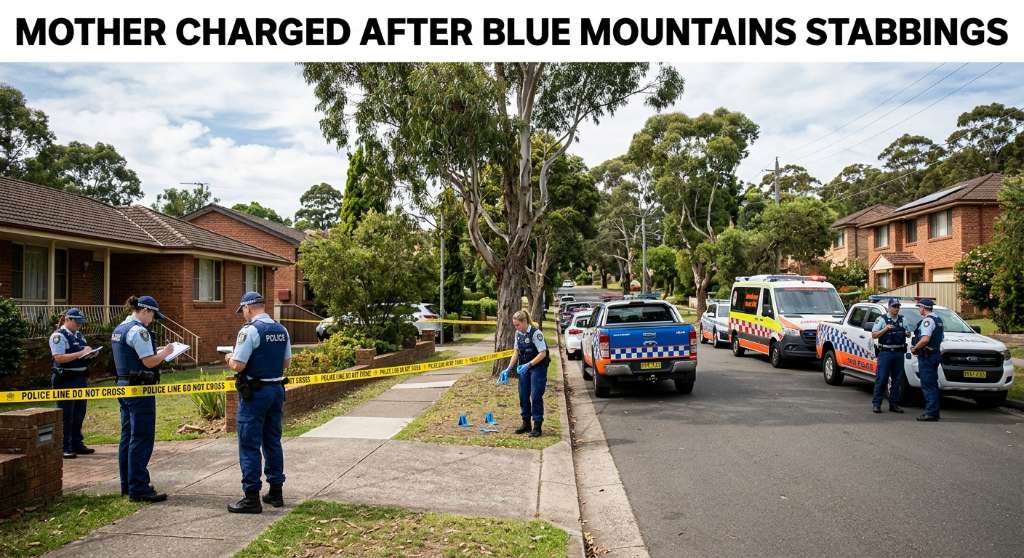
A 42-year-old woman has been charged with murder and attempted murder after three children were found with stab wounds at Valley Heights in the Blue Mou...
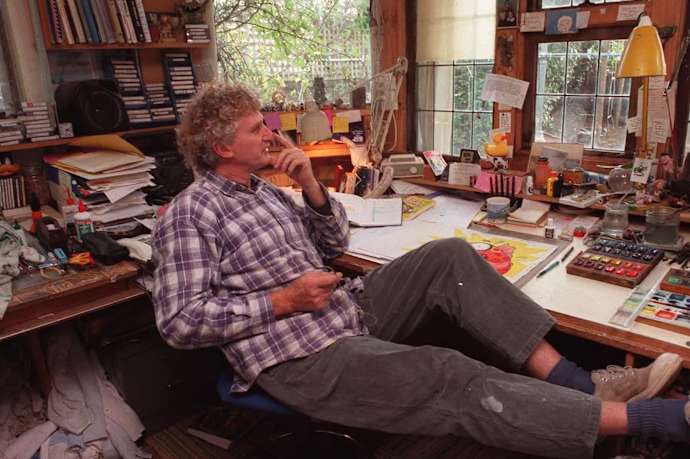
Australian children's author and illustrator Terry Denton, best known for his long-running creative partnership on the popular Treehouse books, has died...
Construction has begun on a new purpose-built ambulance station at Caves Beach in Lake Macquarie, with the facility expected to strengthen emergency med...
Prime Minister Anthony Albanese has launched Australia's campaign for a two-year seat on the United Nations Security Council while signing a decade-long...
Passengers travelling through Sydney Airport on September 24 are being warned to allow extra time as separate strikes involving airport security and gro...
Two men have been charged after detectives investigating an alleged large-scale drug supply network seized cocaine, methylamphetamine, MDMA and other it...
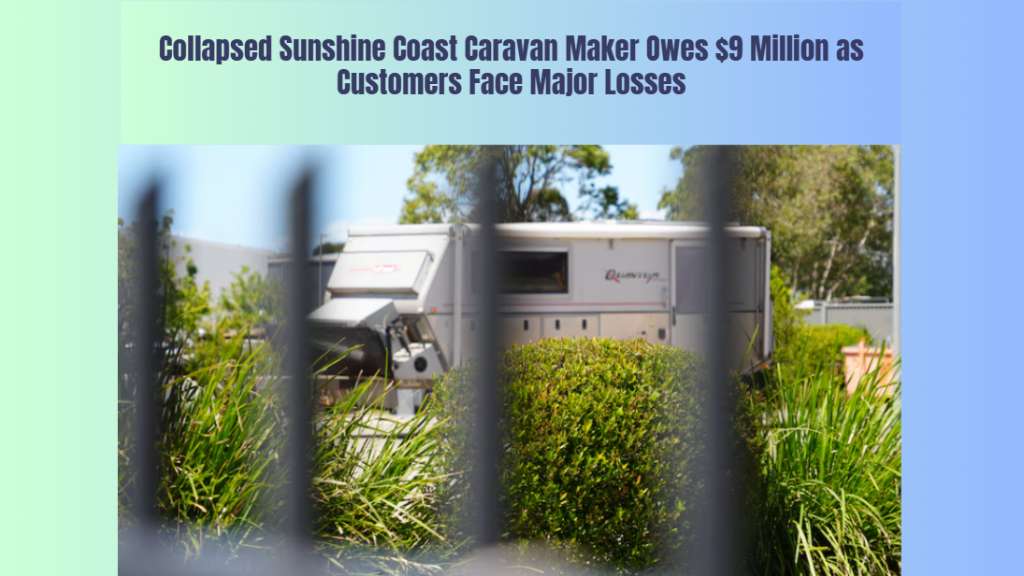
Administrators have revealed Australian Off Road owes about $9 million after the Sunshine Coast caravan manufacturer collapsed, leaving customers, emplo...
A woman has died following a serious three-vehicle collision involving a commercial bus and two cars in Glenburn, in Victoria’s Yarra Ranges, on Thursday, 24 September 2026. Eme...
A woman has died following a serious three-car collision in Leongatha, Victoria, on Wednesday afternoon, 23 September 2026. Emergency services were called to the Strzelecki High...
A Queensland parliamentary committee has completed regional hearings on proposed tougher bail laws, hearing from crime victims, legal experts and commun...