Safety note: Admin approval is an initial review, not a guarantee that every detail is correct. Check important or urgent claims with official sources and report anything inaccurate or unsafe.
Source and credit: Contributor's own report
Wagga Wagga Becomes Key Hub in Major Renewable Energy Grid Upgrade - Wagga Wagga, NSW
Smart summary
Large-scale transmission projects set to transform electricity network across Riverina region
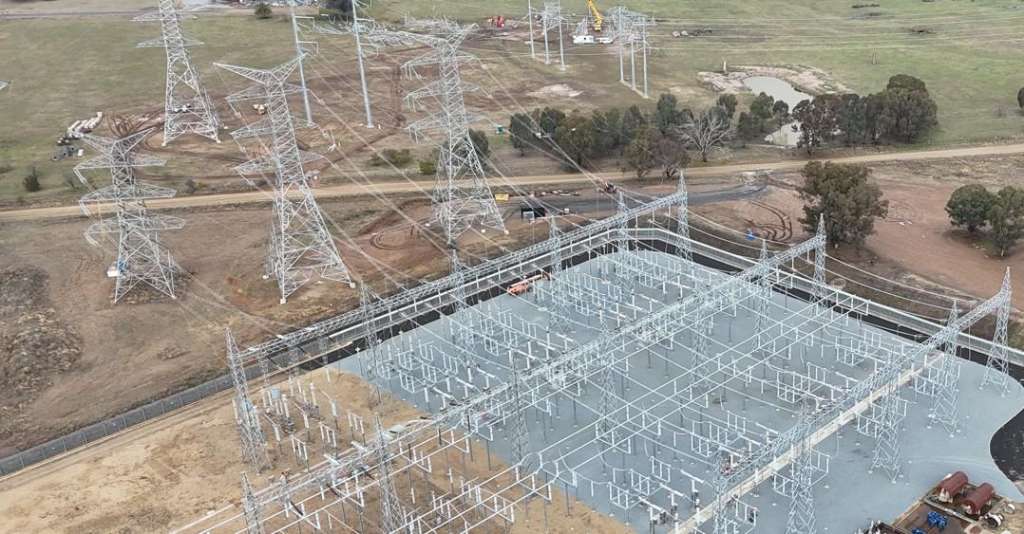
Wagga Wagga is becoming a major focus point in Australia’s future energy network as large-scale electricity transmission projects continue to progress across the Riverina region. The upgrades are designed to strengthen the national power grid and support the transition towards renewable energy.
The projects include major transmission developments connected to Project Energy Connect and the Hume Link transmission line, which will create stronger electricity connections between renewable energy zones and major demand centres across eastern Australia.
Wagga Wagga’s location makes it an important strategic point for the electricity network. New infrastructure in the region is expected to improve energy reliability while helping transport electricity generated from renewable sources such as solar and wind farms.
The development represents one of the largest infrastructure changes affecting regional NSW. While the projects are expected to provide long-term benefits, they also bring challenges for local communities, including changes to landscapes, construction impacts and discussions around land use.
Farmers and landholders across the region have raised concerns about the impact of large transmission towers on agricultural areas and property management. Community consultation continues as construction moves forward and authorities work with affected residents.
Supporters of the projects say improved transmission capacity is essential for Australia’s energy future. A stronger grid will help connect renewable energy projects, improve electricity stability and support industries that rely on reliable power supplies.
For Wagga Wagga, the investment highlights the city’s growing importance beyond traditional regional industries. The region continues to play a significant role in agriculture, manufacturing, defence and now renewable energy infrastructure.
Major infrastructure projects can also create economic opportunities through construction jobs, local contracts and increased demand for regional services. Businesses across the Riverina may benefit from increased activity during different stages of development.
Authorities continue to monitor construction progress and community feedback as the energy transformation moves ahead. The projects are expected to shape the region’s infrastructure landscape for decades.
EnergyWaggaProjectsRenewableElectricity
Wagga Wagga is becoming a major focus point in Australia’s future energy network as large-scale electricity transmission projects continue to progress across the Riverina region. The upgrades are designed to strengthen the national power grid and support the transition towards renewable energy.
The projects include major transmission developments connected to Project Energy Connect and the Hume Link transmission line, which will create stronger electricity connections between renewable energy zones and major demand centres across eastern Australia.
Wagga Wagga’s location makes it an important strategic point for the electricity network. New infrastructure in the region is expected to improve energy reliability while helping transport electricity generated from renewable sources such as solar and wind farms.
The development represents one of the largest infrastructure changes affecting regional NSW. While the projects are expected to provide long-term benefits, they also bring challenges for local communities, including changes to landscapes, construction impacts and discussions around land use.
Farmers and landholders across the region have raised concerns about the impact of large transmission towers on agricultural areas and property management. Community consultation continues as construction moves forward and authorities work with affected residents.
Supporters of the projects say improved transmission capacity is essential for Australia’s energy future. A stronger grid will help connect renewable energy projects, improve electricity stability and support industries that rely on reliable power supplies.
For Wagga Wagga, the investment highlights the city’s growing importance beyond traditional regional industries. The region continues to play a significant role in agriculture, manufacturing, defence and now renewable energy infrastructure.
Major infrastructure projects can also create economic opportunities through construction jobs, local contracts and increased demand for regional services. Businesses across the Riverina may benefit from increased activity during different stages of development.
Authorities continue to monitor construction progress and community feedback as the energy transformation moves ahead. The projects are expected to shape the region’s infrastructure landscape for decades.
A vehicle has crashed into a house in Albury, prompting police attendance at a residential property near the intersection of Mate and North streets. The incident was reported to...
A high-profile athlete has returned to court and told the hearing that an alleged unwanted kiss by former broadcaster Alan Jones remained difficult to f...
Work on the $150 million Sydney Town Hall Square project has been paused after the NSW Planning Minister referred the development for review by the Inde...
A 36-year-old man has been charged after investigators allegedly found fraudulent identification documents, cloned number plates, cash and drug-manufact...
A Sydney court has heard that a man sent 249 messages to a former partner within 24 hours, with the messages treated as a single alleged breach of an ap...
A high-profile athlete has returned to court and told the hearing that an alleged unwanted kiss by former broadcaster Alan Jones remained difficult to f...
Work on the $150 million Sydney Town Hall Square project has been paused after the NSW Planning Minister referred the development for review by the Inde...
Cairns Regional Council has unanimously voted to seek $400,000 in Queensland Government funding for a program designed to connect local businesses with the region’s growing film...
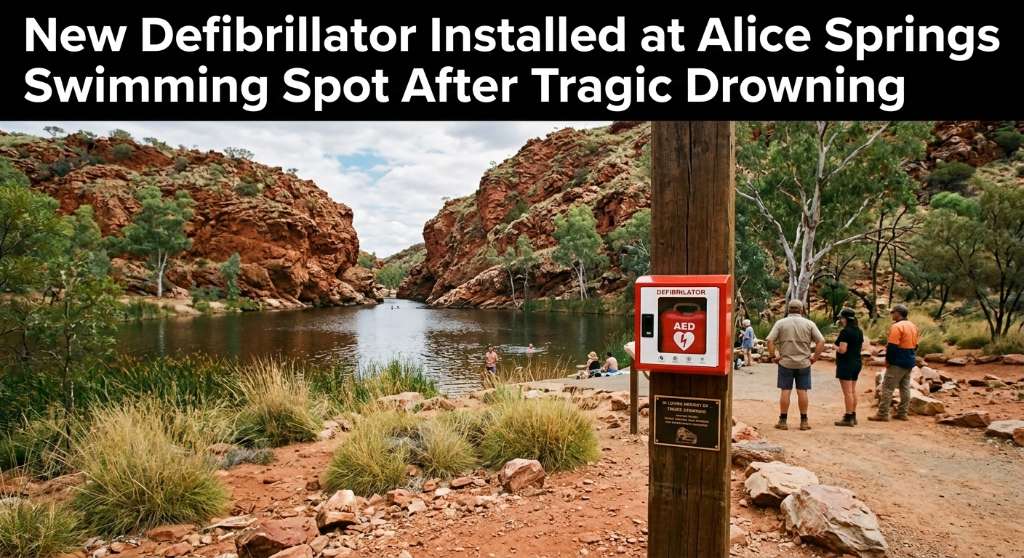
An automated external defibrillator and memorial plaque have been installed at Ellery Creek Big Hole following the death of disability advocate Ellen Fr...
Queensland firefighters spent several hours monitoring a significant grass fire at Mary Kinross Park in Bargara, near Bundaberg, after the blaze broke out on Wednesday evening....