Safety note: Admin approval is an initial review, not a guarantee that every detail is correct. Check important or urgent claims with official sources and report anything inaccurate or unsafe.
Source and credit: Contributor's own report
Water-cleaning technology plan for River Torrens blocked - Adelaide, SA
Smart summary
Adelaide City Councillors have rejected a proposed six-month trial of nanobubble and ozone technology aimed at improving water quality in the Torrens Lake after repeated bacterial warnings and closures.
Adelaide’s River Torrens, one of the city’s most recognisable waterways, has become the centre of a debate over how authorities should respond to recurring water-quality problems. On 9 September 2026, In Daily reported that Adelaide City Councillors had voted against a proposal to introduce a six-month trial of nanobubble oxygenation and controlled ozone technology at Torrens Lake.
The proposal was put forward by Deputy Lord Mayor Carmel Noon, who argued that the council should take a stronger leadership role in addressing the lake’s ongoing health problems. The suggested trial would have cost about $300,000 and was intended to test whether the technology could improve water conditions during the summer period.
Nanobubble technology works by introducing extremely small gas bubbles into water. Supporters say the process can increase oxygen levels and potentially help reduce contaminants without relying on harsh chemical treatments. The technology has previously been trialled at Lake Albert in Wagga Wagga, New South Wales, where it was used as part of efforts to address water-quality and algae problems.
The debate comes after a difficult year for Torrens Lake. The waterway has experienced several closures because of elevated bacterial levels. Earlier closures were associated with high levels of E. coli and enterococci, while heavy rainfall also contributed to large amounts of rubbish, litter and organic debris entering and accumulating in the lake.
The latest situation had improved by the time of the council debate. Testing confirmed that bacterial levels had returned to safe levels and Torrens Lake had reopened. However, significant debris remained along the waterway, prompting council staff to prepare a clean-up operation. The City of Adelaide said the initial stage would involve removing floating litter from the lake, with work scheduled to begin the following week.
Supporters of the proposed technology argued that repeated closures demonstrate the need for a longer-term solution. Noon pointed to the impact of water-quality warnings on rowing, dragon boating, tourism, the Popeye, businesses and recreational activities around the lake. She argued that authorities should investigate whether new technology could prevent repeated closures rather than continually responding after problems occur.
However, councillors opposing the trial said there was not enough scientific evidence to justify spending council money on the proposal. Councillor Janet Giles said the Torrens Lake is affected by many different environmental factors and warned against relying on technology without stronger evidence that it would work effectively in the specific conditions of the lake.
The River Torrens is also managed across multiple jurisdictions. The City of Adelaide is responsible for the central Torrens Lake area, while other councils, Green Adelaide and state government agencies have responsibilities elsewhere along the river and catchment. This makes the water-quality problem broader than the lake itself, particularly because pollutants and stormwater can enter the river upstream.
The state government has separately committed $4.06 million to revitalise and rewild the River Torrens, with an additional $1.1 million for stormwater infrastructure. The broader program includes restoring native aquatic plants, stabilising riverbanks, improving biodiversity and supporting the return of native species such as platypuses.
For Adelaide residents, the debate highlights a continuing challenge: keeping the Torrens Lake clean, safe and usable while addressing pollution and runoff throughout the wider catchment. Although the proposed technology trial has been rejected, authorities continue to pursue other environmental and infrastructure measures to improve the river’s long-term health.
LakeTorrensTechnologyRiverAdelaide
Adelaide’s River Torrens, one of the city’s most recognisable waterways, has become the centre of a debate over how authorities should respond to recurring water-quality problems. On 9 September 2026, In Daily reported that Adelaide City Councillors had voted against a proposal to introduce a six-month trial of nanobubble oxygenation and controlled ozone technology at Torrens Lake.
The proposal was put forward by Deputy Lord Mayor Carmel Noon, who argued that the council should take a stronger leadership role in addressing the lake’s ongoing health problems. The suggested trial would have cost about $300,000 and was intended to test whether the technology could improve water conditions during the summer period.
Nanobubble technology works by introducing extremely small gas bubbles into water. Supporters say the process can increase oxygen levels and potentially help reduce contaminants without relying on harsh chemical treatments. The technology has previously been trialled at Lake Albert in Wagga Wagga, New South Wales, where it was used as part of efforts to address water-quality and algae problems.
The debate comes after a difficult year for Torrens Lake. The waterway has experienced several closures because of elevated bacterial levels. Earlier closures were associated with high levels of E. coli and enterococci, while heavy rainfall also contributed to large amounts of rubbish, litter and organic debris entering and accumulating in the lake.
The latest situation had improved by the time of the council debate. Testing confirmed that bacterial levels had returned to safe levels and Torrens Lake had reopened. However, significant debris remained along the waterway, prompting council staff to prepare a clean-up operation. The City of Adelaide said the initial stage would involve removing floating litter from the lake, with work scheduled to begin the following week.
Supporters of the proposed technology argued that repeated closures demonstrate the need for a longer-term solution. Noon pointed to the impact of water-quality warnings on rowing, dragon boating, tourism, the Popeye, businesses and recreational activities around the lake. She argued that authorities should investigate whether new technology could prevent repeated closures rather than continually responding after problems occur.
However, councillors opposing the trial said there was not enough scientific evidence to justify spending council money on the proposal. Councillor Janet Giles said the Torrens Lake is affected by many different environmental factors and warned against relying on technology without stronger evidence that it would work effectively in the specific conditions of the lake.
The River Torrens is also managed across multiple jurisdictions. The City of Adelaide is responsible for the central Torrens Lake area, while other councils, Green Adelaide and state government agencies have responsibilities elsewhere along the river and catchment. This makes the water-quality problem broader than the lake itself, particularly because pollutants and stormwater can enter the river upstream.
The state government has separately committed $4.06 million to revitalise and rewild the River Torrens, with an additional $1.1 million for stormwater infrastructure. The broader program includes restoring native aquatic plants, stabilising riverbanks, improving biodiversity and supporting the return of native species such as platypuses.
For Adelaide residents, the debate highlights a continuing challenge: keeping the Torrens Lake clean, safe and usable while addressing pollution and runoff throughout the wider catchment. Although the proposed technology trial has been rejected, authorities continue to pursue other environmental and infrastructure measures to improve the river’s long-term health.
Wagga Wagga New South Wales · Breaking News · 16 Sep 2026
Riverina Police have established a dedicated investigation, Strike Force Arctis, following a reported increase in serious property and violent offences across Wagga Wagga. The o...
A serious late-night collision on the Hume Highway in Sydney’s south-west has left several people injured, including children, with one man in critical...
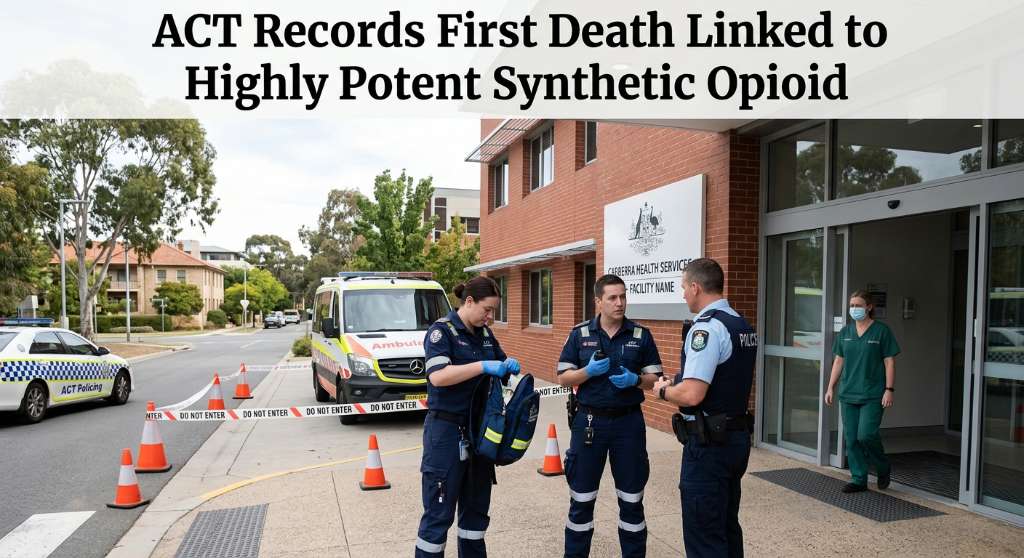
A Canberra woman has become the first person in the ACT whose death has been linked to a highly potent synthetic opioid, prompting renewed concern about...
New community information initiatives are helping residents access emergency warnings and local support as Port Augusta and the wider region prepare for...
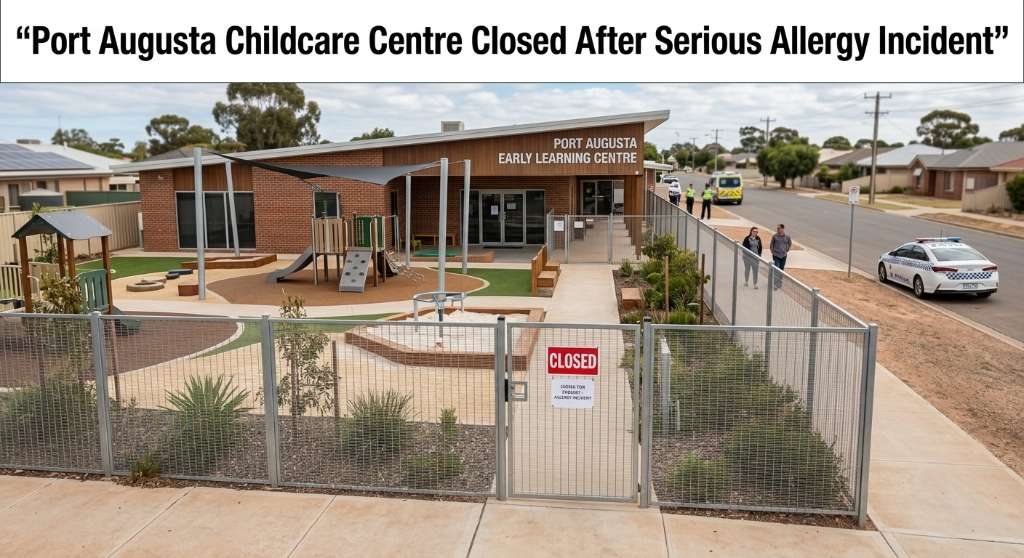
An Edge Early Learning centre in Port Augusta has been ordered to close for two weeks after a child with allergies was hospitalised after being given fo...
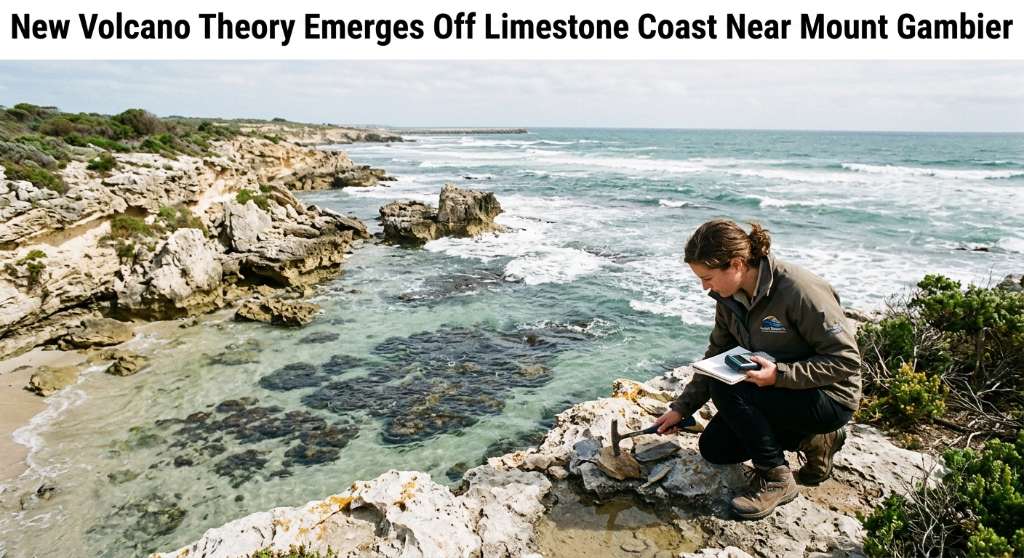
A 44-year-old man has been jailed after police found suspected methamphetamine, GHB and more than $40,000 in cash before he travelled towards Mount Gamb...
Cairns Regional Council has unanimously voted to seek $400,000 in Queensland Government funding for a program designed to connect local businesses with the region’s growing film...
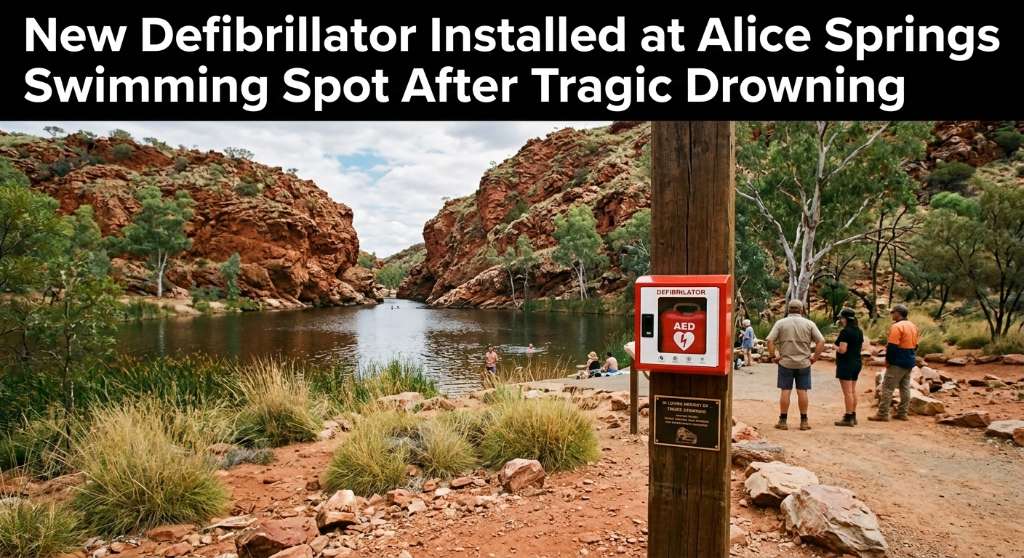
An automated external defibrillator and memorial plaque have been installed at Ellery Creek Big Hole following the death of disability advocate Ellen Fr...
Queensland firefighters spent several hours monitoring a significant grass fire at Mary Kinross Park in Bargara, near Bundaberg, after the blaze broke out on Wednesday evening....