Australia Tests Text Messages to Triple Zero Emergency Services
By Chloe · Published 27 Oct 2026 · Updated 27 Oct 2026
Canberra, ACT · ACT News
Safety note: Admin approval is an initial review, not a guarantee that every detail is correct. Check important or urgent claims with official sources and report anything inaccurate or unsafe.
Source and credit: Contributor's own report
Australia Tests Text Messages to Triple Zero Emergency Services - Canberra, ACT
Smart summary
The Australian Government has begun testing whether people can contact Triple Zero by SMS when making a voice call is difficult or impossible. The test is taking place in a simulated environment and is not open to the...
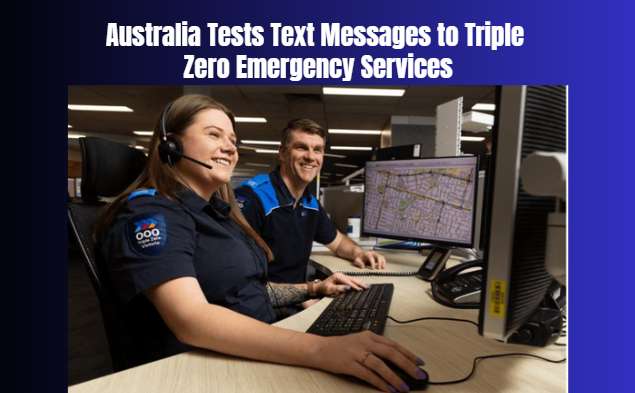
The Australian Government is testing whether people will be able to contact Triple Zero emergency services through direct text messages, marking a potential development in how Australians request urgent assistance.
The Department of Infrastructure, Transport, Regional Development and Communications announced the testing on 27 October 2026. The work is being conducted by the Triple Zero Custodian, which is examining whether direct SMS communication could provide a safe and effective alternative when a voice call is not possible or practical.
Accenture Australia has been engaged to conduct the tests in a simulated environment designed to reflect real-world emergency service requirements. The testing does not involve public access to Triple Zero by text and will not affect the live emergency call service.
The initiative forms part of a broader review of Australia's emergency communications framework following concerns about the reliability and accessibility of emergency calling services.
Why text-to-emergency services matter
Triple Zero, commonly written as 000, is Australia's primary emergency telephone number for police, fire and ambulance services. The service is generally accessed by making a voice call, allowing operators to assess the situation and connect callers with the appropriate emergency service.
However, speaking over the phone is not always possible. People experiencing domestic violence may need to seek help without alerting someone nearby. People with speech or hearing disabilities can also face barriers when communicating through conventional voice calls.
In other situations, a caller may be injured, unable to speak clearly or located in an environment where making a phone call is difficult.
A properly designed two-way text service could help address some of these barriers by allowing emergency operators and callers to exchange written messages. However, such a service must be carefully tested to ensure messages are delivered reliably, locations can be established and emergency requests receive appropriate priority.
How the current testing works
The government's latest announcement confirms that testing is being conducted in a simulated environment rather than through the live Triple Zero system.
The purpose is to examine whether direct SMS could operate safely under realistic conditions. This includes assessing the operational requirements that would need to be addressed before any public rollout could be considered.
The government has not announced a public launch date for direct text-to-000 access. Australians should therefore not assume that sending an ordinary text message to 000 will connect them with emergency services.
People who need emergency assistance should continue using the established emergency calling arrangements and follow official advice about accessible emergency communication options.
Broader review of emergency communications
The SMS testing is progressing alongside a review of the regulations governing Triple Zero. An interim review report released on 27 October outlined feedback from a public consultation conducted earlier in 2026.
The consultation identified eight key themes for potential reform. The next stage of stakeholder engagement is intended to explore those themes and develop recommendations for an emergency communications framework that is reliable, modern and adaptable.
The review comes amid continuing attention to telecommunications reliability and the consequences of disruptions that prevent people from contacting emergency services.
Government officials are examining how responsibilities, operational standards and regulatory arrangements can support a dependable emergency calling system.
What happens next
The results of the simulated testing will help inform the assessment of direct SMS as a possible emergency communication method. Any future implementation would require careful consideration of technical reliability, privacy, location information, operator training and the handling of urgent messages.
Emergency services must be able to identify the nature of an incident, determine where assistance is required and respond without avoidable delays. Text-based communication would need to meet those requirements before being introduced as a public service.
The government has not yet confirmed when a direct text-to-Triple Zero service might become available. For now, the testing represents an early step towards assessing whether SMS can safely complement Australia's existing emergency call system.
EmergencyServiceServicesTestingZero
The Australian Government is testing whether people will be able to contact Triple Zero emergency services through direct text messages, marking a potential development in how Australians request urgent assistance.
The Department of Infrastructure, Transport, Regional Development and Communications announced the testing on 27 October 2026. The work is being conducted by the Triple Zero Custodian, which is examining whether direct SMS communication could provide a safe and effective alternative when a voice call is not possible or practical.
Accenture Australia has been engaged to conduct the tests in a simulated environment designed to reflect real-world emergency service requirements. The testing does not involve public access to Triple Zero by text and will not affect the live emergency call service.
The initiative forms part of a broader review of Australia's emergency communications framework following concerns about the reliability and accessibility of emergency calling services.
Why text-to-emergency services matter
Triple Zero, commonly written as 000, is Australia's primary emergency telephone number for police, fire and ambulance services. The service is generally accessed by making a voice call, allowing operators to assess the situation and connect callers with the appropriate emergency service.
However, speaking over the phone is not always possible. People experiencing domestic violence may need to seek help without alerting someone nearby. People with speech or hearing disabilities can also face barriers when communicating through conventional voice calls.
In other situations, a caller may be injured, unable to speak clearly or located in an environment where making a phone call is difficult.
A properly designed two-way text service could help address some of these barriers by allowing emergency operators and callers to exchange written messages. However, such a service must be carefully tested to ensure messages are delivered reliably, locations can be established and emergency requests receive appropriate priority.
How the current testing works
The government's latest announcement confirms that testing is being conducted in a simulated environment rather than through the live Triple Zero system.
The purpose is to examine whether direct SMS could operate safely under realistic conditions. This includes assessing the operational requirements that would need to be addressed before any public rollout could be considered.
The government has not announced a public launch date for direct text-to-000 access. Australians should therefore not assume that sending an ordinary text message to 000 will connect them with emergency services.
People who need emergency assistance should continue using the established emergency calling arrangements and follow official advice about accessible emergency communication options.
Broader review of emergency communications
The SMS testing is progressing alongside a review of the regulations governing Triple Zero. An interim review report released on 27 October outlined feedback from a public consultation conducted earlier in 2026.
The consultation identified eight key themes for potential reform. The next stage of stakeholder engagement is intended to explore those themes and develop recommendations for an emergency communications framework that is reliable, modern and adaptable.
The review comes amid continuing attention to telecommunications reliability and the consequences of disruptions that prevent people from contacting emergency services.
Government officials are examining how responsibilities, operational standards and regulatory arrangements can support a dependable emergency calling system.
What happens next
The results of the simulated testing will help inform the assessment of direct SMS as a possible emergency communication method. Any future implementation would require careful consideration of technical reliability, privacy, location information, operator training and the handling of urgent messages.
Emergency services must be able to identify the nature of an incident, determine where assistance is required and respond without avoidable delays. Text-based communication would need to meet those requirements before being introduced as a public service.
The government has not yet confirmed when a direct text-to-Triple Zero service might become available. For now, the testing represents an early step towards assessing whether SMS can safely complement Australia's existing emergency call system.
A grandstand collapse at a sold-out music festival on the Gold Coast left three people with minor injuries, prompting an investigation by workplace safe...
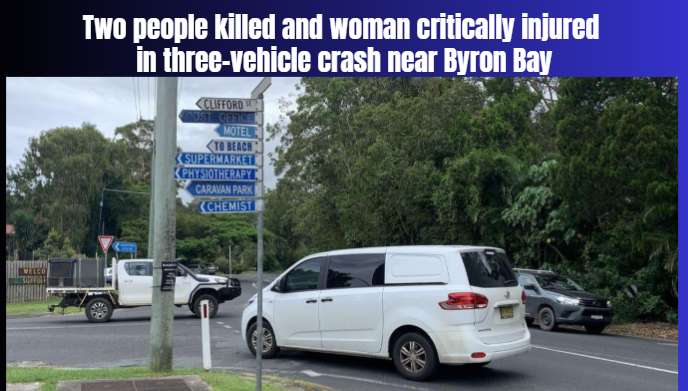
Two drivers died at the scene and a passenger was airlifted to hospital in a critical condition after a serious collision at Suffolk Park in northern Ne...
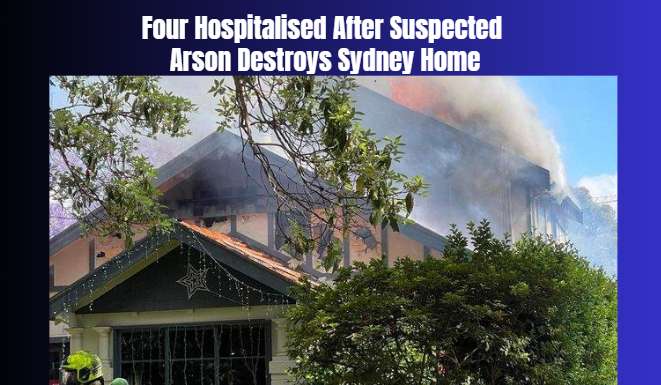
Police are searching for a masked person of interest after a house fire in Abbotsford injured four people, including an 88-year-old woman who was rescue...
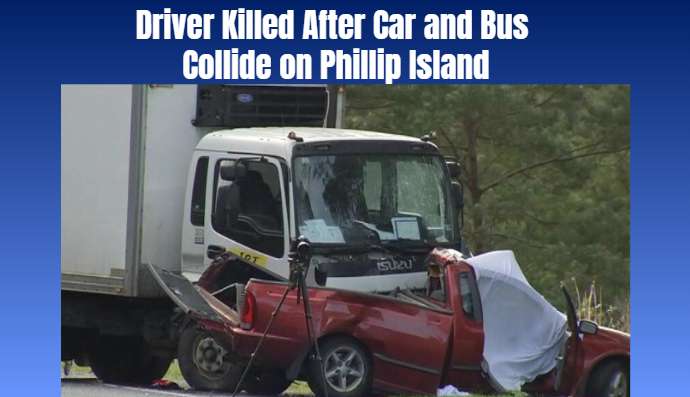
A driver has died after a car collided with a bus and both vehicles caught fire on Phillip Island, south-east of Melbourne. Police say the car crossed o...
New figures reveal more than $3 million in government spending on promotional merchandise, including unusual items such as condoms and lollies, raising...
Australia's antisemitism envoy has recommended stronger protest rules, additional visa checks and independent oversight of public broadcasters as part o...
The Australian government has launched a parliamentary investigation into whether Australia Post is keeping up with changing customer needs as tradition...
Eight people have died in separate road crashes across Victoria during the Melbourne Cup long weekend, with four of the fatal incidents involving motorc...
A fisherman escaped unharmed after a large crocodile climbed onto his boat while he was fishing alone on the Mary River, prompting renewed safety warnin...
New South Wales has begun accepting firearms under the national gun buyback scheme, but limited appointment availability has created an early challenge...
The new laboratory in Bundaberg will allow Indigenous rangers and traditional owner groups to test water locally, strengthening environmental management...