Western Australia Moves to Legalise Plug-In Balcony Solar Panels
By Chloe · Published 28 Oct 2026 · Updated 28 Oct 2026
Perth, WA · Western Australia News
Safety note: Admin approval is an initial review, not a guarantee that every detail is correct. Check important or urgent claims with official sources and report anything inaccurate or unsafe.
Source and credit: Contributor's own report
Western Australia Moves to Legalise Plug-In Balcony Solar Panels - Perth, WA
Smart summary
Western Australia is consulting on safety standards for plug-in solar panels and batteries, potentially giving renters and apartment residents a new way to cut electricity bills.
Western Australia is preparing to become the first Australian state or territory to allow plug-in solar panels and batteries, a move that could make renewable energy more accessible to people who rent their homes or live in apartments.
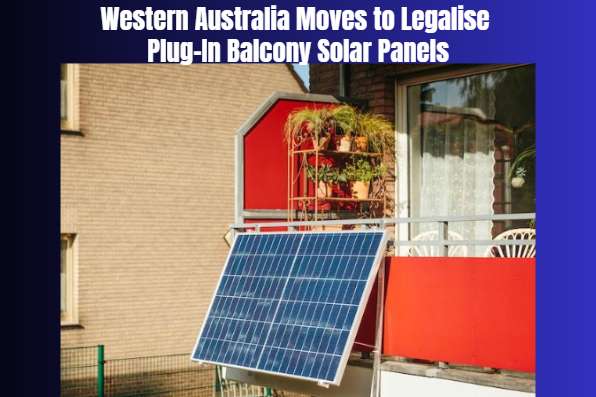
The state government has opened consultation on a safety standard for the technology, commonly known as balcony solar. These systems typically use small solar panels mounted on a balcony railing, wall or suitable outdoor space. Instead of requiring a conventional rooftop installation, the panels can connect to a household power point through a compatible system.
The proposal follows an agreement by Australia's energy ministers in September to explore how plug-in solar could be introduced safely across the country. Western Australia is now moving ahead with its own consultation, focusing on the technical requirements needed before the systems can be used more widely.
One of the main attractions is the potential to reduce electricity bills without owning a house with a suitable roof. Traditional rooftop solar can be difficult or impossible for tenants and apartment residents to install because they may not own the roof or have permission to modify the building. Plug-in systems could provide an alternative, particularly for households with limited space.
The state government estimates that a typical plug-in solar system could save a household about $240 a year on electricity. Adding a plug-in battery could increase the estimated annual savings to as much as $500. Actual savings would depend on factors such as the system's capacity, sunlight exposure, household electricity use and electricity tariffs.
Solar Citizens, a community organisation that has advocated for the technology, has suggested that a typical plug-in panel could save households around $300 to $400 annually, with savings potentially doubling when a compatible battery is added. These figures are estimates rather than guaranteed savings, and the financial benefits will vary between homes.
Affordability is another consideration. The ABC reported that plug-in solar systems available overseas can cost up to approximately $1,300, with additional costs for a battery. Although this may be less expensive than a conventional solar installation, households would still need to consider the purchase price, installation requirements where applicable, and the time needed to recover their investment.
Safety is central to the proposed standards. Connecting a generating device to a household circuit introduces technical considerations, including the risk of overloading electrical circuits, compatibility with existing wiring and the safe operation of batteries. The consultation is intended to establish requirements that allow the technology to be used without compromising household electrical safety.
Western Australia's Energy and Decarbonisation Minister, Amber-Jade Sanderson, said the move could help make cheaper solar energy available to people who do not own their roofs. The government sees the proposal as part of a broader effort to expand access to renewable energy and help households manage rising living costs.
The technology is already used by households in parts of Europe and the United Kingdom. If Western Australia develops an appropriate safety framework, its approach could provide a model for other Australian jurisdictions considering similar changes.
For renters, the ability to take a portable system when moving home could be particularly useful. Apartment residents may also benefit where building rules, available space and electrical arrangements permit its use.
The proposal is still at the consultation stage, so households should not assume every plug-in solar product can already be used legally in every setting. The final requirements and implementation arrangements will determine when and how the systems can be adopted.
SolarCouldPlug-InHouseholdsEnergy
Western Australia is preparing to become the first Australian state or territory to allow plug-in solar panels and batteries, a move that could make renewable energy more accessible to people who rent their homes or live in apartments.
The state government has opened consultation on a safety standard for the technology, commonly known as balcony solar. These systems typically use small solar panels mounted on a balcony railing, wall or suitable outdoor space. Instead of requiring a conventional rooftop installation, the panels can connect to a household power point through a compatible system.
The proposal follows an agreement by Australia's energy ministers in September to explore how plug-in solar could be introduced safely across the country. Western Australia is now moving ahead with its own consultation, focusing on the technical requirements needed before the systems can be used more widely.
One of the main attractions is the potential to reduce electricity bills without owning a house with a suitable roof. Traditional rooftop solar can be difficult or impossible for tenants and apartment residents to install because they may not own the roof or have permission to modify the building. Plug-in systems could provide an alternative, particularly for households with limited space.
The state government estimates that a typical plug-in solar system could save a household about $240 a year on electricity. Adding a plug-in battery could increase the estimated annual savings to as much as $500. Actual savings would depend on factors such as the system's capacity, sunlight exposure, household electricity use and electricity tariffs.
Solar Citizens, a community organisation that has advocated for the technology, has suggested that a typical plug-in panel could save households around $300 to $400 annually, with savings potentially doubling when a compatible battery is added. These figures are estimates rather than guaranteed savings, and the financial benefits will vary between homes.
Affordability is another consideration. The ABC reported that plug-in solar systems available overseas can cost up to approximately $1,300, with additional costs for a battery. Although this may be less expensive than a conventional solar installation, households would still need to consider the purchase price, installation requirements where applicable, and the time needed to recover their investment.
Safety is central to the proposed standards. Connecting a generating device to a household circuit introduces technical considerations, including the risk of overloading electrical circuits, compatibility with existing wiring and the safe operation of batteries. The consultation is intended to establish requirements that allow the technology to be used without compromising household electrical safety.
Western Australia's Energy and Decarbonisation Minister, Amber-Jade Sanderson, said the move could help make cheaper solar energy available to people who do not own their roofs. The government sees the proposal as part of a broader effort to expand access to renewable energy and help households manage rising living costs.
The technology is already used by households in parts of Europe and the United Kingdom. If Western Australia develops an appropriate safety framework, its approach could provide a model for other Australian jurisdictions considering similar changes.
For renters, the ability to take a portable system when moving home could be particularly useful. Apartment residents may also benefit where building rules, available space and electrical arrangements permit its use.
The proposal is still at the consultation stage, so households should not assume every plug-in solar product can already be used legally in every setting. The final requirements and implementation arrangements will determine when and how the systems can be adopted.
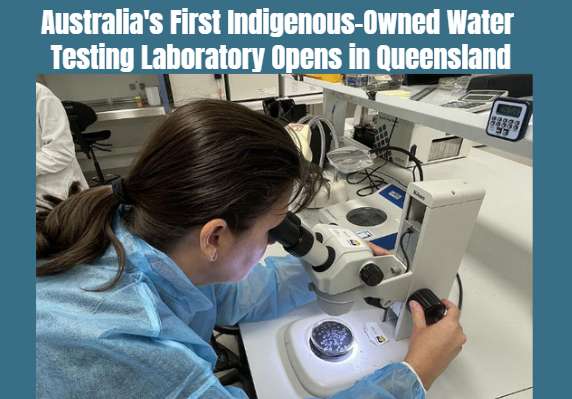
The new laboratory in Bundaberg will allow Indigenous rangers and traditional owner groups to test water locally, strengthening environmental management...
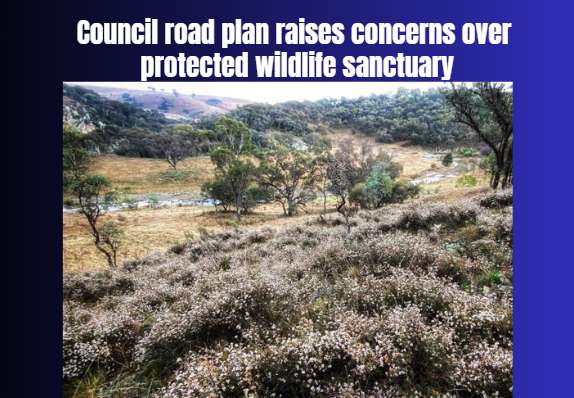
Conservation groups and landowners are opposing a proposed road through a protected sanctuary near Canberra, warning it could damage habitat for threate...
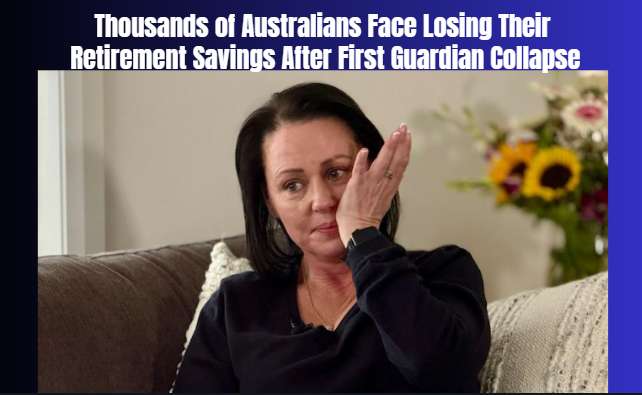
Liquidators have recovered just $8 million from more than $512 million invested in the collapsed First Guardian fund, leaving thousands of Australians u...
The university will introduce stronger in-person assessments and independent audits to help ensure students demonstrate their own knowledge as artificia...
A 59-year-old convicted sex offender is scheduled for release in December despite remaining classified as a high-risk offender. The Supreme Court has im...
Around 8,000 customers in Western Australia's coastal city of Albany will need to replace gas appliances with electric alternatives or switch to bottled...
Fremantle's new bridge will open to the public on Sunday, 1 November, replacing the ageing crossing and providing wider shared paths for pedestrians and...
Western Australia's Joint Counter Terrorism Team has upgraded charges against a 22-year-old Perth man following further investigations into alleged prep...
A freedom of information request has revealed that Gold Coast Council does not hold a copy of the invoice for Mayor Tom Tate's three-day stay at Donald...
Eight people have died in separate road crashes across Victoria during the Melbourne Cup long weekend, with four of the fatal incidents involving motorc...
A fisherman escaped unharmed after a large crocodile climbed onto his boat while he was fishing alone on the Mary River, prompting renewed safety warnin...