Safety note: Admin approval is an initial review, not a guarantee that every detail is correct. Check important or urgent claims with official sources and report anything inaccurate or unsafe.
Source and credit: Contributor's own report
Western Sydney Communities Playing a Bigger Role in Disaster Response - Sydney, NSW
Smart summary
New research highlights how community-led organisations are helping fill critical gaps during disasters across Western Sydney.
New research released today highlights the growing role of community-led organisations in disaster response across Western Sydney.
The research from Western Sydney University examines how local community organisations can provide important support when communities face emergencies and disasters. These organisations can help residents access information, connect with services and support people who may otherwise struggle to receive assistance.
The findings are particularly relevant to Western Sydney because the region contains a large and diverse population spread across rapidly developing suburbs. Community organisations often have strong local connections and can understand the needs of residents in ways that larger agencies may not always be able to replicate.
The research highlights the importance of supporting these organisations so they can continue operating effectively during emergencies. Community groups can provide practical assistance, communication and local knowledge when major incidents place pressure on formal emergency services.
Disaster response can involve many different challenges, including providing information, supporting vulnerable residents and helping communities recover after an emergency. Local organisations can play an important role across these areas because they often already have relationships with residents.
The research also highlights concerns about the resources available to community-led organisations. While these groups can make a significant contribution during emergencies, they may face limitations involving funding, staffing and long-term capacity.
Strengthening these organisations could therefore improve the overall resilience of communities across Western Sydney.
For residents, the research provides a reminder that disaster preparedness is not only the responsibility of emergency services. Community networks, local organisations and residents can all contribute to making neighbourhoods better prepared for emergencies.
Strong local connections can also help communities recover more quickly after a major event. Residents who know where to obtain information and assistance may be better positioned to respond when normal services are disrupted.
The findings are particularly relevant as Australian communities continue to prepare for a range of potential emergencies, including severe weather, flooding, fires and other disasters.
The research argues that community-led organisations should receive greater recognition and support for the role they already play in disaster response.
For Western Sydney, this could mean stronger partnerships between community organisations, government agencies and emergency services. Better coordination could help ensure that local knowledge and community networks are incorporated into broader emergency planning.
The research released today provides a fresh perspective on how disaster resilience can be strengthened at the community level. Rather than relying solely on large emergency-response systems, the findings emphasise the value of supporting organisations already embedded within local communities.
This is a fresh 12 August 2026 Sydney/Western Sydney story and is different from the Sydney news already covered.
OrganisationsSydneyCommunitiesCommunityResearch
New research released today highlights the growing role of community-led organisations in disaster response across Western Sydney.
The research from Western Sydney University examines how local community organisations can provide important support when communities face emergencies and disasters. These organisations can help residents access information, connect with services and support people who may otherwise struggle to receive assistance.
The findings are particularly relevant to Western Sydney because the region contains a large and diverse population spread across rapidly developing suburbs. Community organisations often have strong local connections and can understand the needs of residents in ways that larger agencies may not always be able to replicate.
The research highlights the importance of supporting these organisations so they can continue operating effectively during emergencies. Community groups can provide practical assistance, communication and local knowledge when major incidents place pressure on formal emergency services.
Disaster response can involve many different challenges, including providing information, supporting vulnerable residents and helping communities recover after an emergency. Local organisations can play an important role across these areas because they often already have relationships with residents.
The research also highlights concerns about the resources available to community-led organisations. While these groups can make a significant contribution during emergencies, they may face limitations involving funding, staffing and long-term capacity.
Strengthening these organisations could therefore improve the overall resilience of communities across Western Sydney.
For residents, the research provides a reminder that disaster preparedness is not only the responsibility of emergency services. Community networks, local organisations and residents can all contribute to making neighbourhoods better prepared for emergencies.
Strong local connections can also help communities recover more quickly after a major event. Residents who know where to obtain information and assistance may be better positioned to respond when normal services are disrupted.
The findings are particularly relevant as Australian communities continue to prepare for a range of potential emergencies, including severe weather, flooding, fires and other disasters.
The research argues that community-led organisations should receive greater recognition and support for the role they already play in disaster response.
For Western Sydney, this could mean stronger partnerships between community organisations, government agencies and emergency services. Better coordination could help ensure that local knowledge and community networks are incorporated into broader emergency planning.
The research released today provides a fresh perspective on how disaster resilience can be strengthened at the community level. Rather than relying solely on large emergency-response systems, the findings emphasise the value of supporting organisations already embedded within local communities.
This is a fresh 12 August 2026 Sydney/Western Sydney story and is different from the Sydney news already covered.
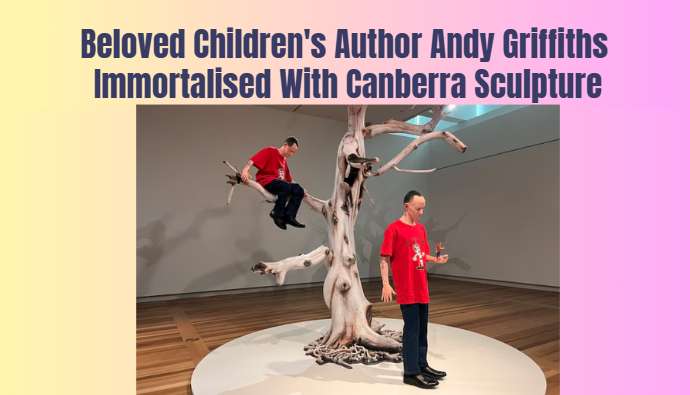
A four-metre-high 3D-printed sculpture celebrating Australian children's author Andy Griffiths has gone on display at Canberra's National Portrait Gallery.
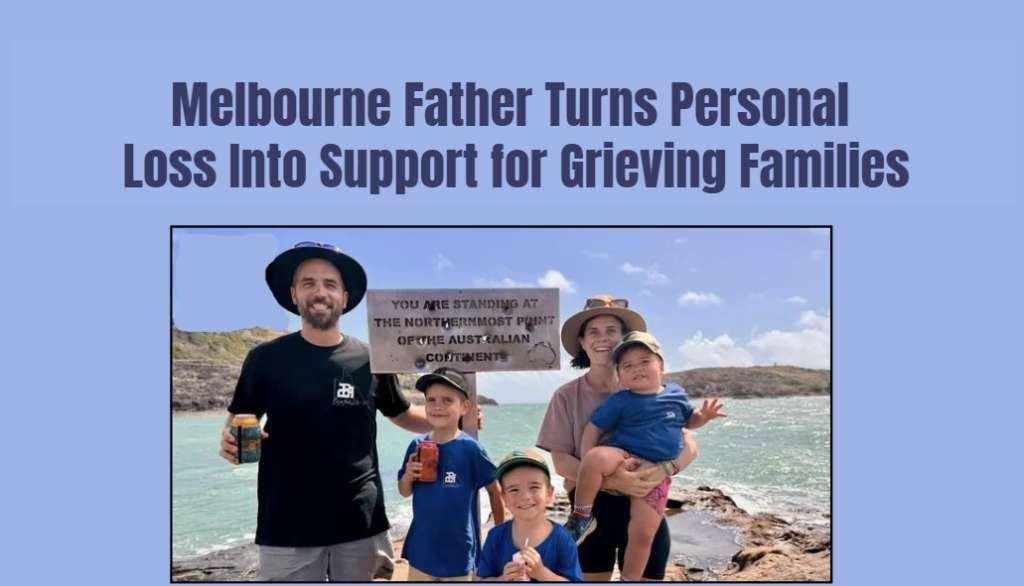
After losing two sons, Melbourne father Nick Olney has established a charity helping grieving parents preserve memories of their babies and access suppo...
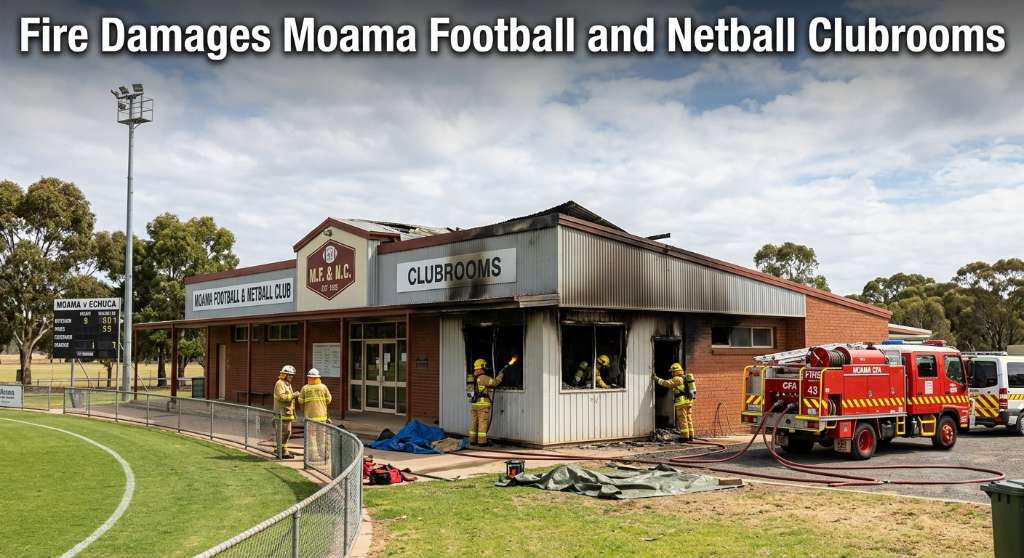
A fire damaged the Moama Football and Netball Club's social rooms during Saturday's grand final, forcing about 1,000 people to leave the building becaus...
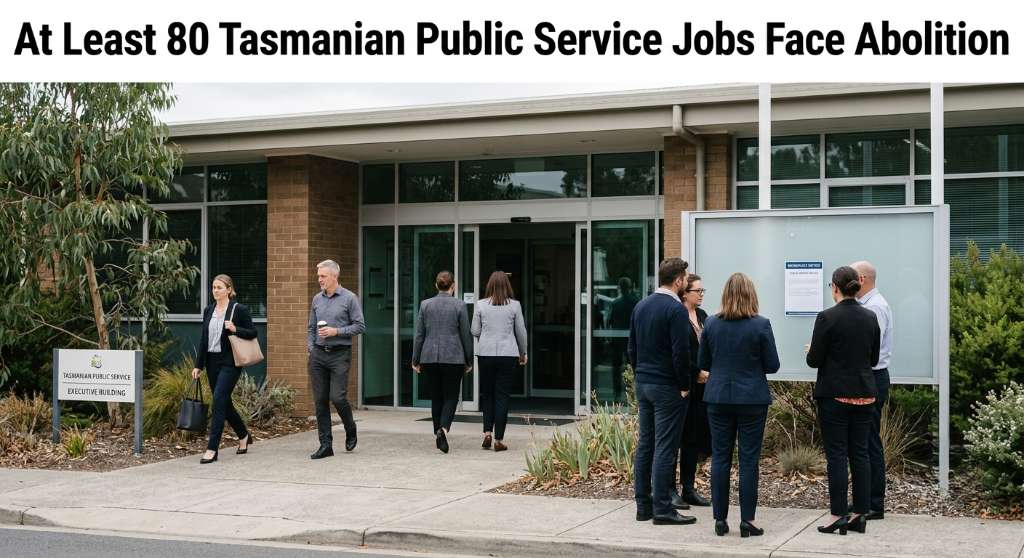
At least 80 positions have been identified for abolition as Tasmania restructures parts of its public service and works toward a broader reduction in go...
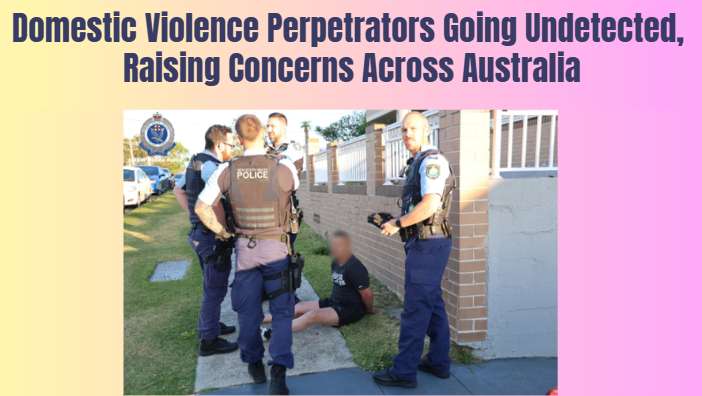
Recent domestic violence-related deaths in New South Wales have highlighted concerns about gaps in identifying alleged perpetrators before serious viole...
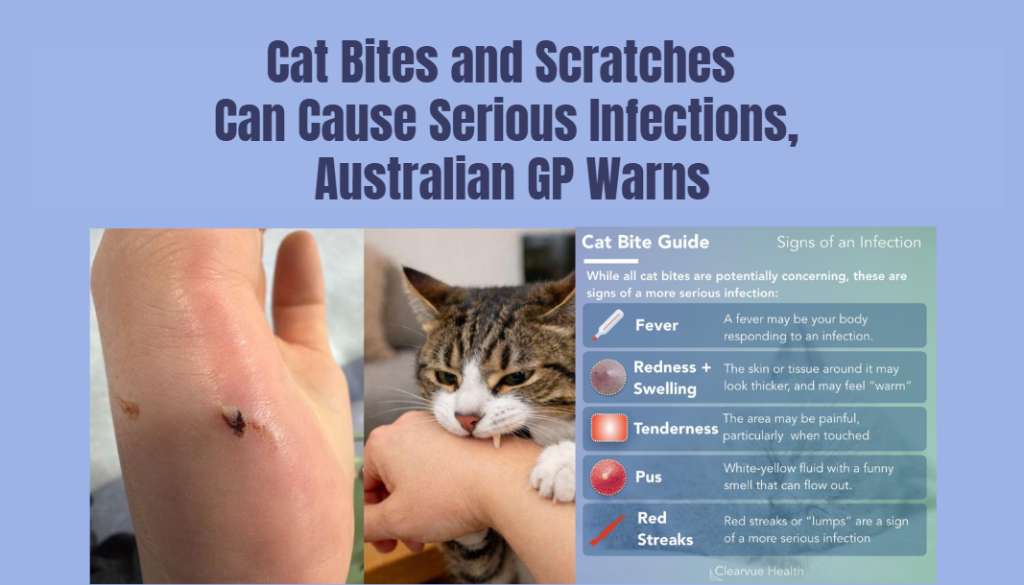
Australian health experts are warning that cat bites and scratches can cause severe infections, with hospitalisations from cat-related injuries nearly t...
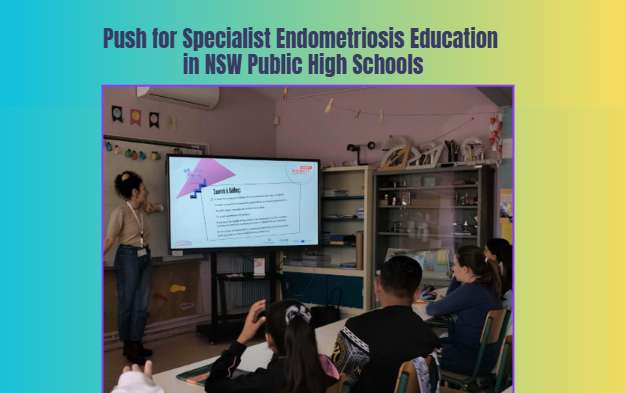
A parliamentary petition calling for specialist endometriosis education in NSW public high schools has attracted more than 1,700 signatures, as health a...
A firearms expert has told a court that a gun presented as evidence in the murder investigation involving two Australian brothers and their American fri...
Australian tennis player Talia Gibson has reached her first WTA Tour-level singles final at the Singapore Open after Tatiana Prozorova withdrew from the...
Severe weather in Melbourne has caused flight disruptions from Brisbane, with at least one flight cancelled and other services delayed as passengers tra...
A new Tasmanian sports academy is creating education and career pathways as the state’s professional sporting sector expands with the Tasmania Devils, J...
New evidence indicates autonomous Open AI agents attempted to access information from several Australian government and public-sector websites, expanding...