Safety note: Admin approval is an initial review, not a guarantee that every detail is correct. Check important or urgent claims with official sources and report anything inaccurate or unsafe.
Source and credit: Contributor's own report
Working dogs surge in popularity as Australian farmers rely on skilled canine helpers - Sydney, NSW
Smart summary
Highly trained working dogs are becoming increasingly valuable across Australia's livestock industry, with farmers investing thousands of dollars in kelpies and border collies to help manage cattle and sheep.
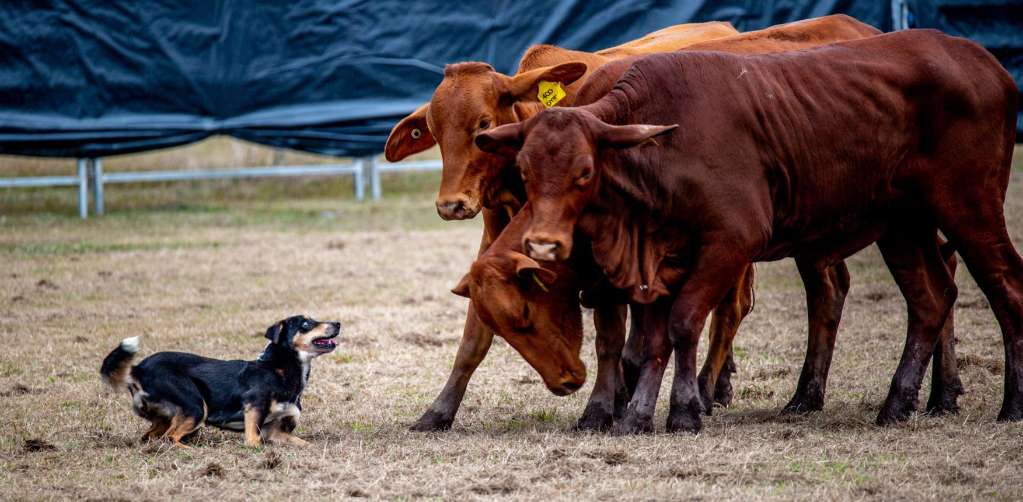
Working dogs are experiencing a surge in popularity across Australia's farming communities, with livestock producers increasingly recognising their value as essential partners in managing large properties and moving animals efficiently.
For generations, breeds such as Australian kelpies and border collies have played an important role on farms and cattle stations. Their intelligence, stamina and ability to respond to commands allow them to assist farmers with mustering cattle, sheep and other livestock across large areas of land.
The growing demand for skilled working dogs has also transformed the industry into a significant market. At recent working dog auctions, highly trained animals have attracted strong interest from graziers, with some dogs selling for tens of thousands of dollars because of their proven ability and training.
Farmers say a well-trained working dog can save considerable time and labour, especially on large rural properties where moving livestock manually can require many workers. Experienced handlers describe their dogs as reliable members of the farming team, capable of working long hours in challenging conditions.
The popularity of working dogs has been boosted by increased public interest in rural life and programs showcasing the relationship between farmers and their dogs. Many viewers have gained a greater appreciation of the training, discipline and close bond required between a handler and a working dog.
Breeders and trainers say producing a high-quality working dog requires careful selection, genetics and years of training. A young puppy may take several years before reaching its full potential, with handlers spending significant time developing obedience, confidence and livestock skills.
Australian kelpies remain one of the most popular choices for livestock work because of their endurance and ability to operate independently across large paddocks. Border collies are also highly valued for their intelligence and controlled herding style, making them popular among sheep and cattle producers.
Farmers attending working dog sales say demand has increased because of ongoing workforce challenges in agriculture and the need for efficient ways to manage livestock. A skilled dog can perform tasks that would otherwise require several people, making them an important investment for many rural businesses.
The growing popularity has also created opportunities for breeders, trainers and working dog competitions. Events where dogs demonstrate their mustering abilities attract farmers from across Australia, allowing them to compare bloodlines, training methods and working styles.
Beyond their practical value, farmers often highlight the emotional connection they develop with their dogs. Many working dogs become trusted companions who spend years alongside their handlers in some of Australia's most remote environments.
As Australia's agricultural industry continues to evolve, working dogs remain an important combination of tradition and modern farming efficiency. Their ability to assist with livestock management ensures they continue to hold a special place on farms and stations across the country.
WorkingDogsFarmersLivestockAcross
Working dogs are experiencing a surge in popularity across Australia's farming communities, with livestock producers increasingly recognising their value as essential partners in managing large properties and moving animals efficiently.
For generations, breeds such as Australian kelpies and border collies have played an important role on farms and cattle stations. Their intelligence, stamina and ability to respond to commands allow them to assist farmers with mustering cattle, sheep and other livestock across large areas of land.
The growing demand for skilled working dogs has also transformed the industry into a significant market. At recent working dog auctions, highly trained animals have attracted strong interest from graziers, with some dogs selling for tens of thousands of dollars because of their proven ability and training.
Farmers say a well-trained working dog can save considerable time and labour, especially on large rural properties where moving livestock manually can require many workers. Experienced handlers describe their dogs as reliable members of the farming team, capable of working long hours in challenging conditions.
The popularity of working dogs has been boosted by increased public interest in rural life and programs showcasing the relationship between farmers and their dogs. Many viewers have gained a greater appreciation of the training, discipline and close bond required between a handler and a working dog.
Breeders and trainers say producing a high-quality working dog requires careful selection, genetics and years of training. A young puppy may take several years before reaching its full potential, with handlers spending significant time developing obedience, confidence and livestock skills.
Australian kelpies remain one of the most popular choices for livestock work because of their endurance and ability to operate independently across large paddocks. Border collies are also highly valued for their intelligence and controlled herding style, making them popular among sheep and cattle producers.
Farmers attending working dog sales say demand has increased because of ongoing workforce challenges in agriculture and the need for efficient ways to manage livestock. A skilled dog can perform tasks that would otherwise require several people, making them an important investment for many rural businesses.
The growing popularity has also created opportunities for breeders, trainers and working dog competitions. Events where dogs demonstrate their mustering abilities attract farmers from across Australia, allowing them to compare bloodlines, training methods and working styles.
Beyond their practical value, farmers often highlight the emotional connection they develop with their dogs. Many working dogs become trusted companions who spend years alongside their handlers in some of Australia's most remote environments.
As Australia's agricultural industry continues to evolve, working dogs remain an important combination of tradition and modern farming efficiency. Their ability to assist with livestock management ensures they continue to hold a special place on farms and stations across the country.
An Edge Early Learning centre in Port Augusta has been ordered to close for two weeks after a child with allergies was hospitalised after being given fo...
The statewide scheme allows eligible renters to transfer their existing bond directly to a new rental property instead of paying a second bond upfront.
Global diesel shortages and disrupted shipping routes are pushing up fuel costs and creating growing risks for Australia’s farmers, miners and wider eco...
Central Coast New South Wales · General News · 15 Sep 2026
A teenager accused of negligent driving following a fatal crash on the NSW Central Coast has been refused bail in court today, Tuesday, September 15, 2026. The case follows a se...
A 36-year-old man has been charged after investigators allegedly found fraudulent identification documents, cloned number plates, cash and drug-manufact...
A Sydney court has heard that a man sent 249 messages to a former partner within 24 hours, with the messages treated as a single alleged breach of an ap...
A high-profile athlete has returned to court and told the hearing that an alleged unwanted kiss by former broadcaster Alan Jones remained difficult to f...
Work on the $150 million Sydney Town Hall Square project has been paused after the NSW Planning Minister referred the development for review by the Inde...
Cairns Regional Council has unanimously voted to seek $400,000 in Queensland Government funding for a program designed to connect local businesses with the region’s growing film...
An automated external defibrillator and memorial plaque have been installed at Ellery Creek Big Hole following the death of disability advocate Ellen Fr...
Queensland firefighters spent several hours monitoring a significant grass fire at Mary Kinross Park in Bargara, near Bundaberg, after the blaze broke out on Wednesday evening....