Yancoal Confirms Closure of Ashton Coal Mine by 2028
By Neha Maurya · Published 30 Jun 2026 · Updated 30 Jun 2026
Singleton, NSW
Safety note: Admin approval is an initial review, not a guarantee that every detail is correct. Check important or urgent claims with official sources and report anything inaccurate or unsafe.
Source and credit: Contributor's own report
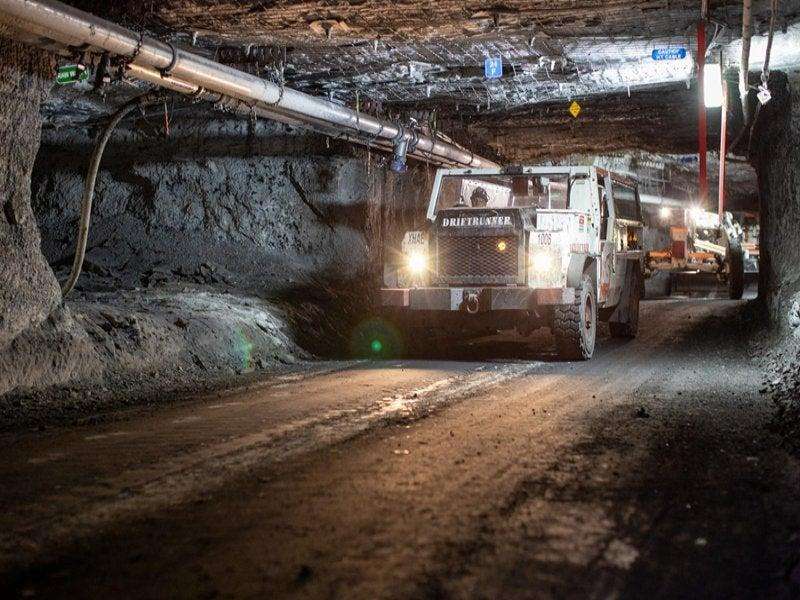
Aerial view of a coal mining operation in the Hunter Valley region.
Smart summary
Yancoal has announced the staged closure of its Ashton underground coal mine in the Hunter Valley, impacting approximately 275 employees.
Mining company Yancoal Australia has announced that its Ashton underground coal mine in the Hunter Valley will cease operations by January 2028, marking the end of one of the region's long-running coal operations and resulting in significant job losses.
The company informed employees of the decision during an urgent town hall meeting held in Singleton, where management outlined plans for a staged closure of the mine. Around 300 workers attended the briefing, with many learning that immediate redundancies would begin as part of the transition. Approximately 60 positions will be cut in the first phase, while a total of about 275 employees are expected to lose their jobs before the mine closes permanently.
Yancoal said the decision was driven by increasingly difficult geological conditions at the underground operation. Company officials explained that complex mining conditions, including persistent water seepage and declining access to economically recoverable coal reserves, had made continued operations commercially unsustainable. Despite ongoing investment and engineering efforts, management concluded the mine could no longer operate safely and profitably over the long term.
The announcement has been described as a major setback for the Hunter region, where coal mining remains one of the largest employers. The Mining and Energy Union (MEU) labelled the decision a "serious blow" for workers, their families and the broader local economy. Union representatives said they would work closely with affected employees to ensure redundancy entitlements are protected and to help workers find alternative employment within the mining industry.
Yancoal has committed to providing transition assistance, including career counselling, retraining opportunities and redeployment options where possible across its other Australian mining operations. Company executives said they recognise the impact the closure will have on employees and surrounding communities and intend to support workers throughout the shutdown process.
The Ashton mine has operated for decades and has played a significant role in the Hunter Valley's coal industry, supplying thermal and metallurgical coal to domestic and international markets. Its closure reflects broader challenges facing parts of the mining sector, where ageing operations, increasing production costs and complex geological conditions are affecting long-term viability.
Local businesses are also expected to feel the impact. Contractors, transport operators, equipment suppliers and hospitality businesses that rely on mine workers are likely to experience reduced economic activity as the workforce declines over the next 18 months. Community leaders have expressed concern about the potential flow-on effects for the Singleton region and neighbouring towns.
Industry analysts note that while demand for Australian coal remains relatively strong in several export markets, individual mines must continue to overcome operational challenges to remain competitive. In the case of Ashton, Yancoal determined that the cost and complexity of extracting remaining reserves outweighed the commercial benefits of continued production.
Workers affected by the announcement have begun considering their next steps, with some expected to seek employment at other Hunter Valley mining operations while others may pursue retraining opportunities in different industries. Union officials are urging governments and industry to support regional employment initiatives to minimise the economic impact of the closure.
Although mining operations will gradually wind down over the next 18 months, Yancoal says it will continue managing the site responsibly until final closure in early 2028, including environmental rehabilitation and compliance with regulatory requirements. The company has pledged to work with employees, contractors and local stakeholders throughout the transition.
MiningCoalMineOperationsClosure
Mining company Yancoal Australia has announced that its Ashton underground coal mine in the Hunter Valley will cease operations by January 2028, marking the end of one of the region's long-running coal operations and resulting in significant job losses.
The company informed employees of the decision during an urgent town hall meeting held in Singleton, where management outlined plans for a staged closure of the mine. Around 300 workers attended the briefing, with many learning that immediate redundancies would begin as part of the transition. Approximately 60 positions will be cut in the first phase, while a total of about 275 employees are expected to lose their jobs before the mine closes permanently.
Yancoal said the decision was driven by increasingly difficult geological conditions at the underground operation. Company officials explained that complex mining conditions, including persistent water seepage and declining access to economically recoverable coal reserves, had made continued operations commercially unsustainable. Despite ongoing investment and engineering efforts, management concluded the mine could no longer operate safely and profitably over the long term.
The announcement has been described as a major setback for the Hunter region, where coal mining remains one of the largest employers. The Mining and Energy Union (MEU) labelled the decision a "serious blow" for workers, their families and the broader local economy. Union representatives said they would work closely with affected employees to ensure redundancy entitlements are protected and to help workers find alternative employment within the mining industry.
Yancoal has committed to providing transition assistance, including career counselling, retraining opportunities and redeployment options where possible across its other Australian mining operations. Company executives said they recognise the impact the closure will have on employees and surrounding communities and intend to support workers throughout the shutdown process.
The Ashton mine has operated for decades and has played a significant role in the Hunter Valley's coal industry, supplying thermal and metallurgical coal to domestic and international markets. Its closure reflects broader challenges facing parts of the mining sector, where ageing operations, increasing production costs and complex geological conditions are affecting long-term viability.
Local businesses are also expected to feel the impact. Contractors, transport operators, equipment suppliers and hospitality businesses that rely on mine workers are likely to experience reduced economic activity as the workforce declines over the next 18 months. Community leaders have expressed concern about the potential flow-on effects for the Singleton region and neighbouring towns.
Industry analysts note that while demand for Australian coal remains relatively strong in several export markets, individual mines must continue to overcome operational challenges to remain competitive. In the case of Ashton, Yancoal determined that the cost and complexity of extracting remaining reserves outweighed the commercial benefits of continued production.
Workers affected by the announcement have begun considering their next steps, with some expected to seek employment at other Hunter Valley mining operations while others may pursue retraining opportunities in different industries. Union officials are urging governments and industry to support regional employment initiatives to minimise the economic impact of the closure.
Although mining operations will gradually wind down over the next 18 months, Yancoal says it will continue managing the site responsibly until final closure in early 2028, including environmental rehabilitation and compliance with regulatory requirements. The company has pledged to work with employees, contractors and local stakeholders throughout the transition.
Government support brings fresh hope to Mount Isa’s plan for a research facility aimed at attracting investment and creating new opportunities in Queens...
Komatsu Mining plans to shut its Moss Vale facility by 2030, with approximately 265 workers expected to be affected as operations gradually move to othe...
Macquarie Bank has admitted misleading customers over the promotion of its savings account welcome interest rate. The proposed $14 million penalty comes...
Tasmania's international export value has increased by 17.6 per cent, more than three times Australia's national growth rate, reaching a record high of...
Operation Amarok 15 resulted in 1,594 charges, hundreds of apprehended domestic violence order breaches identified and dozens of firearms seized across...
Australia fell three points short at Murrayfield after a late comeback attempt, with Scotland holding on to secure an important home victory in the inte...
A private conversation between the two leaders was accidentally recorded during a break at the international climate summit in Türkiye, prompting widesp...
NSW patient survey findings highlight safety concerns in several major hospitals, as the state government commits additional security staff to emergency...
Police are investigating a daylight theft after three valuable trophies belonging to Australia's legendary racehorse were taken from an exhibition displ...
Operation Amarok 15 resulted in 1,594 charges, hundreds of apprehended domestic violence order breaches identified and dozens of firearms seized across...