Safety note: Admin approval is an initial review, not a guarantee that every detail is correct. Check important or urgent claims with official sources and report anything inaccurate or unsafe.
Source and credit: Contributor's own report
Young Humpback Whale Freed From Fishing Gear as Entanglements Rise Off NSW Coast - Central Coast, NSW
Smart summary
A juvenile humpback whale has been successfully rescued after becoming entangled in fishing gear off the New South Wales Central Coast, with marine experts warning that whale entanglements are becoming more common dur...
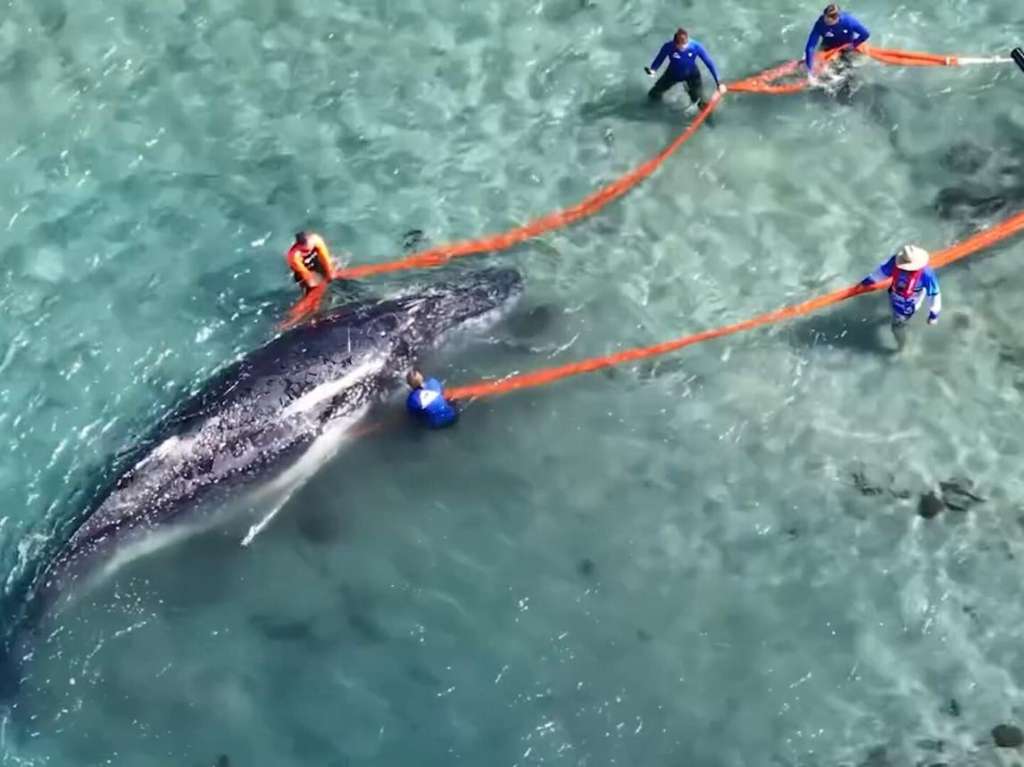
A young humpback whale has been successfully freed after becoming entangled in fishing gear off the New South Wales Central Coast, marking another rescue during this year's whale migration season. The operation was carried out by specialist marine wildlife rescuers after the distressed whale was spotted dragging fishing rope and gear through the water, prompting an urgent response from authorities and trained disentanglement crews.
The juvenile whale was found with fishing gear wrapped around part of its body, restricting its movement as it continued its annual migration north along Australia's east coast. Specialist responders carefully assessed the situation before approaching the whale using dedicated rescue vessels. Because of the enormous size and strength of humpback whales, disentanglement operations are considered highly dangerous and are only performed by trained experts using specialised cutting equipment.
After several hours of careful work, rescuers successfully cut away the ropes and fishing equipment, allowing the whale to swim away freely. Wildlife officers reported that although the animal had sustained minor injuries from the entanglement, it appeared strong enough to continue its migration after being released. Rescue teams monitored the whale for a period to ensure it was swimming normally before ending the operation.
Marine conservation experts say whale entanglements are becoming increasingly common as Australia's humpback whale population continues to recover. Tens of thousands of humpback whales now migrate along the eastern coastline each winter, increasing the likelihood of encounters with fishing gear, ropes, crab pots, shark-control equipment and other marine debris. At the same time, abandoned or lost fishing equipment can remain in the ocean for years, posing ongoing hazards to marine wildlife.
Researchers explain that entanglement can have severe consequences even when whales survive. Ropes wrapped around fins, tails or mouths can restrict movement, make feeding difficult and cause deep wounds that may become infected. In some cases, whales tow heavy fishing gear for weeks or months, expending enormous amounts of energy and increasing the risk of exhaustion or starvation if they are not rescued.
Authorities are reminding the public never to attempt to free an entangled whale themselves. Instead, boaters, fishers and coastal residents who observe a whale caught in ropes or fishing equipment should maintain a safe distance and immediately report the sighting to the relevant wildlife authorities. Quick reporting allows trained disentanglement teams to respond while minimising stress to the animal and ensuring the safety of everyone involved.
The successful rescue highlights the expertise of Australia's marine wildlife response teams and the importance of coordinated conservation efforts during the annual migration season. As humpback whale numbers continue to grow, wildlife agencies expect additional rescue operations may be required over the coming months. They are also encouraging responsible disposal of fishing gear and continued public awareness to reduce future entanglements and protect one of Australia's most iconic marine species.
WhaleFishingGearHumpbackMarine
A young humpback whale has been successfully freed after becoming entangled in fishing gear off the New South Wales Central Coast, marking another rescue during this year's whale migration season. The operation was carried out by specialist marine wildlife rescuers after the distressed whale was spotted dragging fishing rope and gear through the water, prompting an urgent response from authorities and trained disentanglement crews.
The juvenile whale was found with fishing gear wrapped around part of its body, restricting its movement as it continued its annual migration north along Australia's east coast. Specialist responders carefully assessed the situation before approaching the whale using dedicated rescue vessels. Because of the enormous size and strength of humpback whales, disentanglement operations are considered highly dangerous and are only performed by trained experts using specialised cutting equipment.
After several hours of careful work, rescuers successfully cut away the ropes and fishing equipment, allowing the whale to swim away freely. Wildlife officers reported that although the animal had sustained minor injuries from the entanglement, it appeared strong enough to continue its migration after being released. Rescue teams monitored the whale for a period to ensure it was swimming normally before ending the operation.
Marine conservation experts say whale entanglements are becoming increasingly common as Australia's humpback whale population continues to recover. Tens of thousands of humpback whales now migrate along the eastern coastline each winter, increasing the likelihood of encounters with fishing gear, ropes, crab pots, shark-control equipment and other marine debris. At the same time, abandoned or lost fishing equipment can remain in the ocean for years, posing ongoing hazards to marine wildlife.
Researchers explain that entanglement can have severe consequences even when whales survive. Ropes wrapped around fins, tails or mouths can restrict movement, make feeding difficult and cause deep wounds that may become infected. In some cases, whales tow heavy fishing gear for weeks or months, expending enormous amounts of energy and increasing the risk of exhaustion or starvation if they are not rescued.
Authorities are reminding the public never to attempt to free an entangled whale themselves. Instead, boaters, fishers and coastal residents who observe a whale caught in ropes or fishing equipment should maintain a safe distance and immediately report the sighting to the relevant wildlife authorities. Quick reporting allows trained disentanglement teams to respond while minimising stress to the animal and ensuring the safety of everyone involved.
The successful rescue highlights the expertise of Australia's marine wildlife response teams and the importance of coordinated conservation efforts during the annual migration season. As humpback whale numbers continue to grow, wildlife agencies expect additional rescue operations may be required over the coming months. They are also encouraging responsible disposal of fishing gear and continued public awareness to reduce future entanglements and protect one of Australia's most iconic marine species.
A Chinese private processor has purchased 68,000 tonnes of new-season Australian canola for shipment in March, marking the first known private-sector pu...
Darwin Northern Territory · Other News · 01 Sep 2026
A scenic hike through Butterfly Gorge in the Northern Territory turned into a frightening experience when a buffalo charged at two hikers. ABC Darwin reported the story today, 1...
Coffs Harbour New South Wales · Other News · 01 Sep 2026
A Safe Work NSW inspection blitz across the Coffs Harbour region has uncovered dozens of workplace-safety issues in the horticulture industry. The operation followed concerns ab...
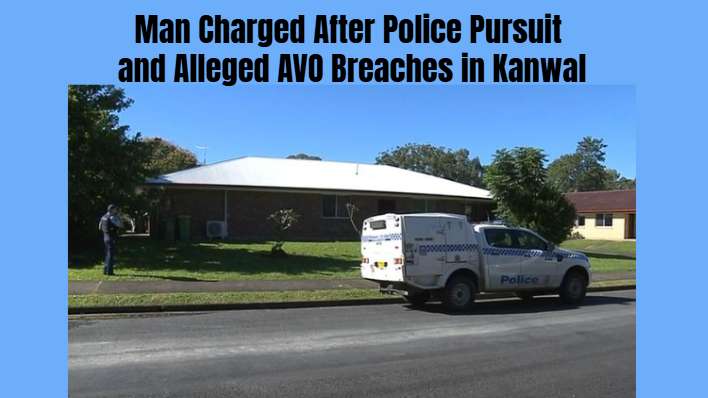
A 33-year-old man has been charged with six offences following a police pursuit and arrest on the NSW Central Coast. Police say the incident began with...
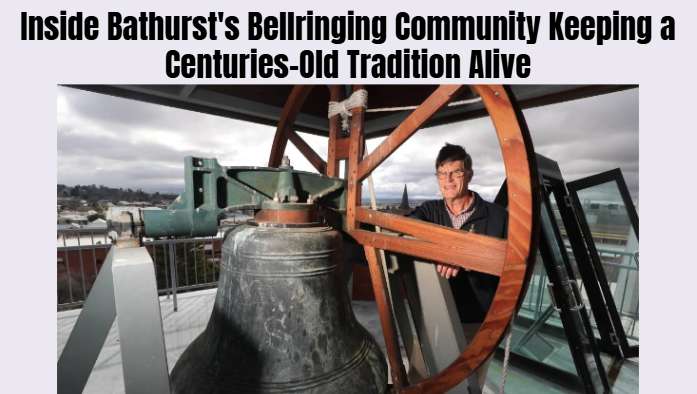
Bathurst bellringers are preparing to gather to celebrate a historic tradition dating back to 17th-century England, bringing together a community dedica...
New South Wales senator David Shoebridge has been elected leader of the Australian Greens following an internal party-room ballot, succeeding Larissa Wa...
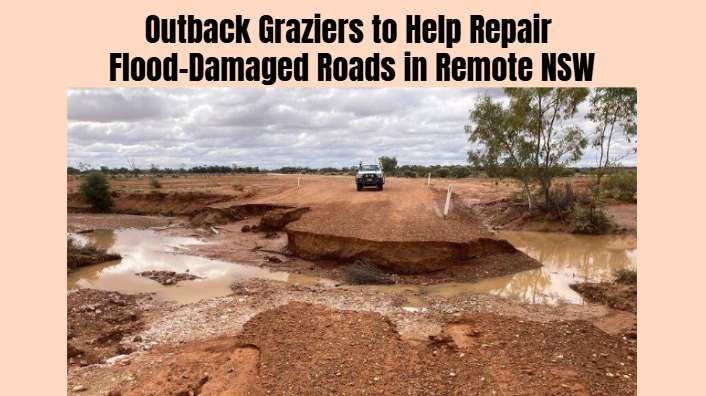
Transport for NSW plans to hire local graziers and station owners to help repair roads damaged by months of heavy rain in the state’s Far West. However,...
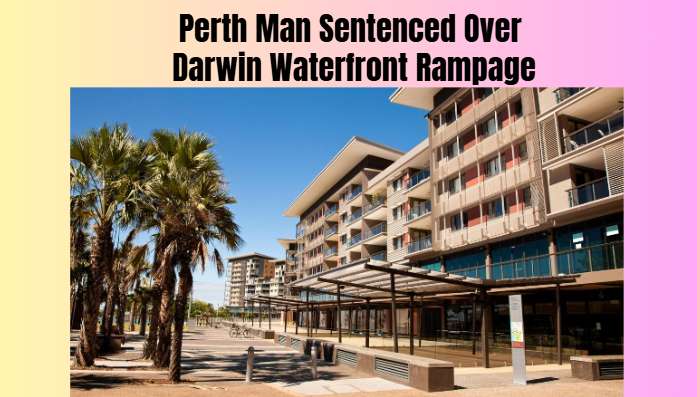
A 36-year-old man extradited from Perth has received a suspended prison sentence after being convicted over a violent incident involving four people at...
Darwin's Frontier Bar and Grill manager Aston Bell has received two industry awards, recognising her leadership, customer service and contribution to th...
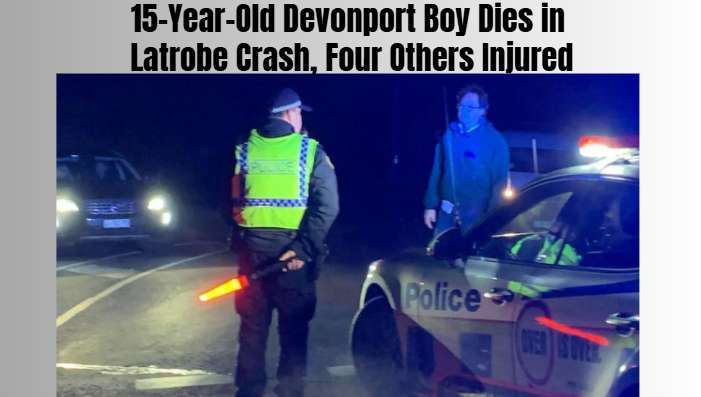
A teenager from Devonport has died and four other people were injured after a serious crash involving a ute on Mersey Main Road near Latrobe, Tasmania.