Aged Care Providers Warn Migration Cuts Could Worsen Staff Shortages
By Chloe · Published 20 Oct 2026 · Updated 20 Oct 2026
Orange, NSW · New South Wales News
Safety note: Admin approval is an initial review, not a guarantee that every detail is correct. Check important or urgent claims with official sources and report anything inaccurate or unsafe.
Source and credit: Contributor's own report
Aged Care Providers Warn Migration Cuts Could Worsen Staff Shortages - Orange, NSW
Smart summary
Regional aged-care providers warn that changes to migration pathways could make it harder to recruit and retain workers, putting additional pressure on facilities already struggling to fill essential roles.
Aged-care providers in regional Australia are raising concerns that migration policy changes could worsen staffing shortages in facilities responsible for looking after older people. Providers say overseas workers play an important role in maintaining services, particularly in regional communities where recruiting locally can be difficult. They are calling for a dedicated visa pathway that would help aged-care organisations recruit and retain suitable workers.
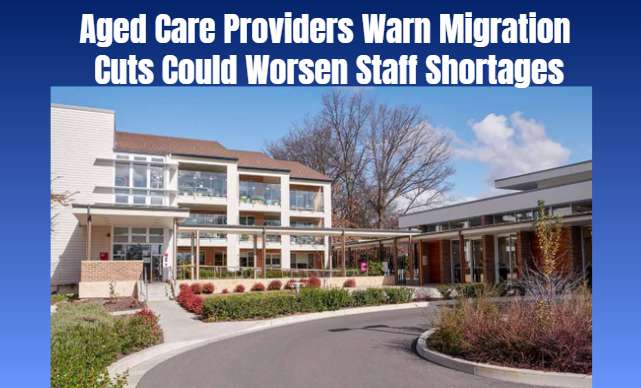
One example highlighted in ABC News reporting is Uniting Wontama, an aged-care facility in Orange, central western New South Wales. According to the report, more than 80 per cent of its 179 staff members were born overseas. Of those employees, 104 were from Nepal, illustrating how strongly some regional facilities depend on migrant workers to maintain day-to-day operations.
Aged-care facilities require workers with a range of skills, including personal care, nursing support, food preparation, cleaning and other essential services. When vacancies remain unfilled, existing employees may face additional pressure, while managers must work harder to maintain rosters and ensure residents receive appropriate care.
Recruitment can be particularly challenging outside major cities. Regional employers often compete with hospitals, disability-support services, hospitality businesses and other industries for workers. Some areas also have smaller local labour markets, fewer training opportunities and longer travel distances for employees.
Migrant workers have helped fill some of these gaps, but employers say uncertainty around visa eligibility and migration settings can complicate long-term workforce planning. Facilities may invest time in training staff only to face difficulties retaining them if their visa arrangements do not provide a viable route to continued employment.
Providers are therefore advocating for migration arrangements that recognise the specific workforce needs of aged care. A dedicated pathway could potentially help eligible workers remain employed in the sector, although any proposal would need to meet government requirements relating to qualifications, employment conditions and visa eligibility.
The issue also raises broader questions about how Australia will meet the needs of an ageing population. Demand for residential aged care and in-home support is expected to remain an important policy challenge. Recruiting sufficient staff is essential not only for expanding services but also for maintaining continuity of care for existing residents.
However, migration is only one part of the workforce challenge. Better wages, working conditions, training opportunities and career progression can also influence recruitment and retention. A sustainable approach would need to consider both the supply of overseas workers and the attractiveness of aged-care employment for people already living in Australia.
For residents and families, staffing levels matter because workers provide assistance with everyday activities, personal care, meals and social interaction. Persistent shortages can make it more difficult for facilities to deliver services consistently, although the effect varies between individual providers and locations.
The debate is likely to continue as policymakers weigh migration settings against labour-market needs and the quality of aged-care services. Providers are seeking greater certainty so they can plan staffing levels and maintain services in communities where alternative recruitment options may be limited.
What happens next: Aged-care operators want policymakers to consider a dedicated visa pathway and other measures that could improve workforce stability in regional facilities.
WorkersAged-CareCareServicesFacilities
Aged-care providers in regional Australia are raising concerns that migration policy changes could worsen staffing shortages in facilities responsible for looking after older people. Providers say overseas workers play an important role in maintaining services, particularly in regional communities where recruiting locally can be difficult. They are calling for a dedicated visa pathway that would help aged-care organisations recruit and retain suitable workers.
One example highlighted in ABC News reporting is Uniting Wontama, an aged-care facility in Orange, central western New South Wales. According to the report, more than 80 per cent of its 179 staff members were born overseas. Of those employees, 104 were from Nepal, illustrating how strongly some regional facilities depend on migrant workers to maintain day-to-day operations.
Aged-care facilities require workers with a range of skills, including personal care, nursing support, food preparation, cleaning and other essential services. When vacancies remain unfilled, existing employees may face additional pressure, while managers must work harder to maintain rosters and ensure residents receive appropriate care.
Recruitment can be particularly challenging outside major cities. Regional employers often compete with hospitals, disability-support services, hospitality businesses and other industries for workers. Some areas also have smaller local labour markets, fewer training opportunities and longer travel distances for employees.
Migrant workers have helped fill some of these gaps, but employers say uncertainty around visa eligibility and migration settings can complicate long-term workforce planning. Facilities may invest time in training staff only to face difficulties retaining them if their visa arrangements do not provide a viable route to continued employment.
Providers are therefore advocating for migration arrangements that recognise the specific workforce needs of aged care. A dedicated pathway could potentially help eligible workers remain employed in the sector, although any proposal would need to meet government requirements relating to qualifications, employment conditions and visa eligibility.
The issue also raises broader questions about how Australia will meet the needs of an ageing population. Demand for residential aged care and in-home support is expected to remain an important policy challenge. Recruiting sufficient staff is essential not only for expanding services but also for maintaining continuity of care for existing residents.
However, migration is only one part of the workforce challenge. Better wages, working conditions, training opportunities and career progression can also influence recruitment and retention. A sustainable approach would need to consider both the supply of overseas workers and the attractiveness of aged-care employment for people already living in Australia.
For residents and families, staffing levels matter because workers provide assistance with everyday activities, personal care, meals and social interaction. Persistent shortages can make it more difficult for facilities to deliver services consistently, although the effect varies between individual providers and locations.
The debate is likely to continue as policymakers weigh migration settings against labour-market needs and the quality of aged-care services. Providers are seeking greater certainty so they can plan staffing levels and maintain services in communities where alternative recruitment options may be limited.
What happens next: Aged-care operators want policymakers to consider a dedicated visa pathway and other measures that could improve workforce stability in regional facilities.
New South Wales health authorities have warned about the risks of unapproved peptide products after monthly emergency department presentations linked to...
A new guide developed with survivors and specialists aims to help doctors and other healthcare professionals recognise signs of modern slavery and conne...
The Northern Territory government plans to introduce legislation requiring future operators of Darwin Private Hospital to provide private maternity serv...
Emergency doctors warn that hospitals are struggling to accommodate older patients, with longer waits for inpatient beds, overcrowding and gaps in aged...
National Australia Bank announces plans to reduce its workforce by approximately 2,500 positions by mid-2027, citing rising competition, operating costs...
A new guide developed with survivors and specialists aims to help doctors and other healthcare professionals recognise signs of modern slavery and conne...
A Victorian coroner has criticised betting company Sportsbet after examining the case of a young man who wagered hundreds of thousands of dollars before...
Victoria's teaching regulator has carried out unannounced inspections at two Fitzroy Community School campuses as investigations into child-safety conce...