Safety note: Admin approval is an initial review, not a guarantee that every detail is correct. Check important or urgent claims with official sources and report anything inaccurate or unsafe.
Source and credit: Contributor's own report
Australia's Biggest Bug Hunt Surpasses One Million Insect Records - Canberra, ACT
Smart summary
Australia's nationwide insect survey has passed one million recorded observations, with scientists saying public participation is transforming knowledge of the country's extraordinary insect biodiversity and helping m...
Australia's largest citizen science insect survey has reached a major milestone, with more than one million insect observations now recorded by volunteers across the country. Researchers say the achievement represents one of the most significant collections of insect biodiversity data ever assembled in Australia and highlights the growing role of everyday Australians in scientific research.
The project encourages people of all ages to photograph insects and other small invertebrates using mobile apps and online platforms before uploading their observations for identification by experts and the wider scientific community. Participants have documented insects in backyards, national parks, farms, forests, beaches and urban environments, creating an extensive database that continues to expand every day.
Scientists say the information collected provides valuable insights into Australia's unique ecosystems. The country is home to hundreds of thousands of insect species, many of which remain scientifically undescribed. Every new observation helps researchers better understand where species live, how they interact with their environment and how their populations change over time.
Citizen science has become an increasingly important tool because Australia is geographically vast, making it impossible for researchers alone to monitor insect populations across every region. By involving the public, scientists can gather information from thousands of locations simultaneously, greatly increasing the amount of available biodiversity data.
Researchers say the records are already helping identify rare species, map the spread of invasive insects and monitor the impacts of climate change, bushfires, floods and habitat loss. Some observations have even led to the discovery of species previously unknown to science or have extended the known distribution of existing species.
Insects play a vital role in healthy ecosystems. They pollinate crops and native plants, recycle nutrients, improve soil health and provide food for birds, reptiles, amphibians and mammals. Because many insect species respond quickly to environmental changes, they are also considered important indicators of ecosystem health.
The milestone reflects growing public interest in nature conservation and biodiversity. Schools, community groups, amateur naturalists and professional scientists have all contributed to the project, demonstrating how collaborative efforts can generate valuable scientific knowledge.
Experts hope the expanding database will support future conservation planning by helping governments and environmental organisations identify areas of high biodiversity and detect changes before they become serious environmental problems.
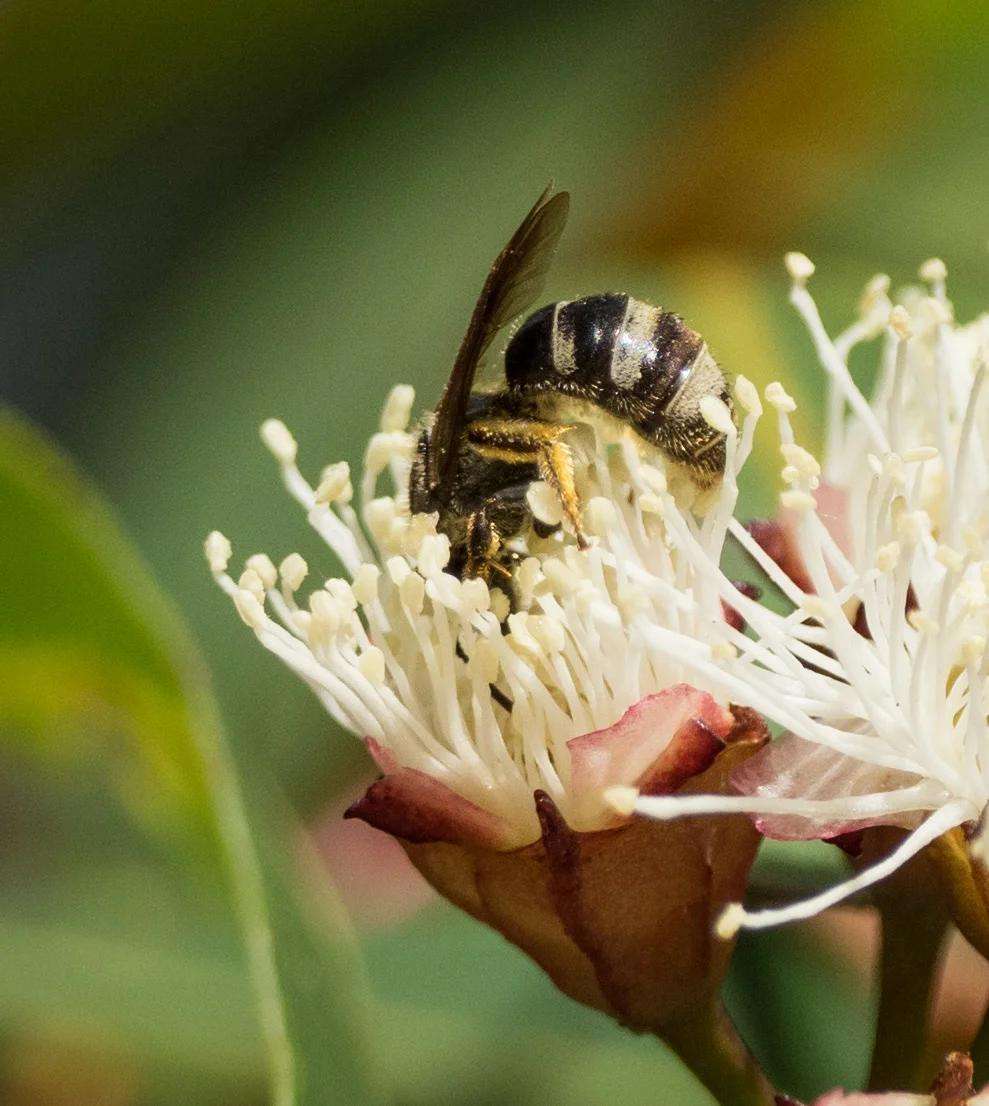
The project also encourages Australians to appreciate the remarkable diversity of insects living around them. From colourful butterflies and native bees to dragonflies, beetles, mantises and stick insects, Australia supports one of the richest insect faunas in the world.
Scientists say continued public participation will remain essential as environmental pressures increase. Every uploaded observation adds another piece to Australia's biodiversity picture and helps improve understanding of species that are often overlooked despite their critical ecological importance.
With more than one million records now collected, researchers believe the project will continue to grow, providing an increasingly valuable resource for conservation, education and scientific discovery across Australia.
InsectSpeciesInsectsBiodiversityResearchers
Australia's largest citizen science insect survey has reached a major milestone, with more than one million insect observations now recorded by volunteers across the country. Researchers say the achievement represents one of the most significant collections of insect biodiversity data ever assembled in Australia and highlights the growing role of everyday Australians in scientific research.
The project encourages people of all ages to photograph insects and other small invertebrates using mobile apps and online platforms before uploading their observations for identification by experts and the wider scientific community. Participants have documented insects in backyards, national parks, farms, forests, beaches and urban environments, creating an extensive database that continues to expand every day.
Scientists say the information collected provides valuable insights into Australia's unique ecosystems. The country is home to hundreds of thousands of insect species, many of which remain scientifically undescribed. Every new observation helps researchers better understand where species live, how they interact with their environment and how their populations change over time.
Citizen science has become an increasingly important tool because Australia is geographically vast, making it impossible for researchers alone to monitor insect populations across every region. By involving the public, scientists can gather information from thousands of locations simultaneously, greatly increasing the amount of available biodiversity data.
Researchers say the records are already helping identify rare species, map the spread of invasive insects and monitor the impacts of climate change, bushfires, floods and habitat loss. Some observations have even led to the discovery of species previously unknown to science or have extended the known distribution of existing species.
Insects play a vital role in healthy ecosystems. They pollinate crops and native plants, recycle nutrients, improve soil health and provide food for birds, reptiles, amphibians and mammals. Because many insect species respond quickly to environmental changes, they are also considered important indicators of ecosystem health.
The milestone reflects growing public interest in nature conservation and biodiversity. Schools, community groups, amateur naturalists and professional scientists have all contributed to the project, demonstrating how collaborative efforts can generate valuable scientific knowledge.
Experts hope the expanding database will support future conservation planning by helping governments and environmental organisations identify areas of high biodiversity and detect changes before they become serious environmental problems.
The project also encourages Australians to appreciate the remarkable diversity of insects living around them. From colourful butterflies and native bees to dragonflies, beetles, mantises and stick insects, Australia supports one of the richest insect faunas in the world.
Scientists say continued public participation will remain essential as environmental pressures increase. Every uploaded observation adds another piece to Australia's biodiversity picture and helps improve understanding of species that are often overlooked despite their critical ecological importance.
With more than one million records now collected, researchers believe the project will continue to grow, providing an increasingly valuable resource for conservation, education and scientific discovery across Australia.
Newcastle Museum will host the fifth annual Hunter Science Festival on 23 August, featuring 40 interactive exhibits, combat robots, science shows and ha...
The Australian Reptile Park’s funnel-web spider program has reached a significant milestone as efforts continue to secure the future of Australia’s crit...
The Federal Government is preparing new measures targeting temporary visas, visa overstayers, international students and visa-hopping, while maintaining...
One Nation’s proposed major reduction in migration has triggered warnings that a sharp cut to population growth could weaken Australia’s economy and cre...
A Canberra woman has become the first person in the ACT whose death has been linked to a highly potent synthetic opioid, prompting renewed concern about...
Canberra’s Commonwealth Park has welcomed visitors for the annual Floriade festival, bringing flowers, entertainment and spring activities to the city.
Cairns Regional Council has unanimously voted to seek $400,000 in Queensland Government funding for a program designed to connect local businesses with the region’s growing film...
An automated external defibrillator and memorial plaque have been installed at Ellery Creek Big Hole following the death of disability advocate Ellen Fr...
Queensland firefighters spent several hours monitoring a significant grass fire at Mary Kinross Park in Bargara, near Bundaberg, after the blaze broke out on Wednesday evening....