Safety note: Admin approval is an initial review, not a guarantee that every detail is correct. Check important or urgent claims with official sources and report anything inaccurate or unsafe.
Source and credit: Contributor's own report
Ballarat researchers launch study into family violence offenders targeting victims while travelling - Ballarat, VIC
Smart summary
Researchers at Federation University Australia are investigating how people who use family violence exploit smartphones, GPS tracking and digital technology to monitor and harass victim-survivors while they are travel...
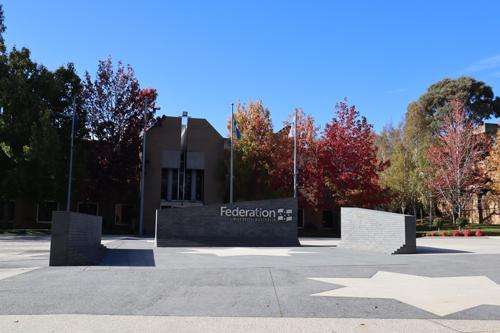
Researchers in Ballarat are launching a new study to better understand how technology is being used to extend family violence beyond the home, focusing on the risks faced by victim-survivors while travelling or spending time away from their usual support networks.
The research project, led by Professor Elisa Zentveld from Federation University Australia, will examine how perpetrators use mobile phones, GPS tracking, social media, location-sharing applications and other digital tools to monitor, intimidate and control victim-survivors during holidays, work trips and other forms of travel. While technology-facilitated abuse has become an increasingly recognised form of family violence, researchers say very little is known about how these behaviours affect people when they are away from home.
Professor Zentveld explained that travel often disrupts normal routines and separates people from their established support systems, making them more vulnerable to abuse. Victim-survivors may be staying in unfamiliar accommodation, relying heavily on digital navigation tools or travelling with children, creating additional opportunities for perpetrators to maintain control through technology.
The study is inviting both victim-survivors and professionals working in the family violence sector to complete anonymous surveys. Researchers hope participants' experiences will help identify common patterns of technology-enabled abuse, evaluate existing support services and improve safety planning for people travelling while experiencing family violence.
According to the research team, perpetrators may misuse location-sharing features, GPS tracking devices, shared digital accounts, messaging applications, smart devices and online monitoring tools to track movements or intimidate victims even after they have physically left an abusive relationship. Such behaviour can significantly increase stress and anxiety, particularly when victims are unfamiliar with their surroundings or have limited access to support services.
Researchers say holiday periods such as Christmas and Easter are already associated with increased reports of family violence, making it even more important to understand how technology influences victim safety during travel. The findings are expected to help service providers develop more effective responses, including improved advice on digital safety, travel planning and emergency support.
The project also aims to inform government agencies, tourism operators and domestic violence organisations about the hidden risks associated with technology-facilitated abuse. By identifying gaps in current responses, the researchers hope the study will contribute to stronger policies and better resources for people escaping abusive relationships.
Professor Zentveld noted that while smartphones and navigation technology offer convenience and safety for most travellers, they can also become tools of coercive control when misused by perpetrators. The research seeks to raise awareness of these risks and encourage practical strategies that allow victim-survivors to travel more safely.
The Ballarat-based project forms part of broader efforts to improve understanding of technology-enabled family violence and strengthen protections for those affected. Researchers hope the results will guide future prevention programs, support services and public education campaigns aimed at reducing harm and improving safety for victim-survivors across Australia.
ViolenceFamilyResearchersSupportVictim-Survivors
Researchers in Ballarat are launching a new study to better understand how technology is being used to extend family violence beyond the home, focusing on the risks faced by victim-survivors while travelling or spending time away from their usual support networks.
The research project, led by Professor Elisa Zentveld from Federation University Australia, will examine how perpetrators use mobile phones, GPS tracking, social media, location-sharing applications and other digital tools to monitor, intimidate and control victim-survivors during holidays, work trips and other forms of travel. While technology-facilitated abuse has become an increasingly recognised form of family violence, researchers say very little is known about how these behaviours affect people when they are away from home.
Professor Zentveld explained that travel often disrupts normal routines and separates people from their established support systems, making them more vulnerable to abuse. Victim-survivors may be staying in unfamiliar accommodation, relying heavily on digital navigation tools or travelling with children, creating additional opportunities for perpetrators to maintain control through technology.
The study is inviting both victim-survivors and professionals working in the family violence sector to complete anonymous surveys. Researchers hope participants' experiences will help identify common patterns of technology-enabled abuse, evaluate existing support services and improve safety planning for people travelling while experiencing family violence.
According to the research team, perpetrators may misuse location-sharing features, GPS tracking devices, shared digital accounts, messaging applications, smart devices and online monitoring tools to track movements or intimidate victims even after they have physically left an abusive relationship. Such behaviour can significantly increase stress and anxiety, particularly when victims are unfamiliar with their surroundings or have limited access to support services.
Researchers say holiday periods such as Christmas and Easter are already associated with increased reports of family violence, making it even more important to understand how technology influences victim safety during travel. The findings are expected to help service providers develop more effective responses, including improved advice on digital safety, travel planning and emergency support.
The project also aims to inform government agencies, tourism operators and domestic violence organisations about the hidden risks associated with technology-facilitated abuse. By identifying gaps in current responses, the researchers hope the study will contribute to stronger policies and better resources for people escaping abusive relationships.
Professor Zentveld noted that while smartphones and navigation technology offer convenience and safety for most travellers, they can also become tools of coercive control when misused by perpetrators. The research seeks to raise awareness of these risks and encourage practical strategies that allow victim-survivors to travel more safely.
The Ballarat-based project forms part of broader efforts to improve understanding of technology-enabled family violence and strengthen protections for those affected. Researchers hope the results will guide future prevention programs, support services and public education campaigns aimed at reducing harm and improving safety for victim-survivors across Australia.
A house in Berri, South Australia, was destroyed by fire on Sunday morning, with three people taken to hospital as a precaution after escaping the burni...
A 43-year-old man has been charged following a fire at a funeral home in Warragul, Victoria, on Wednesday evening, 23 September 2026. Police allege the man walked along Howitt S...
A 14-year-old boy from Maryborough has been charged after Queensland police alleged he was preparing to cause death or grievous bodily harm and possesse...
Two teenagers have been arrested after a large factory fire in Melbourne's north was declared suspicious, with police investigating how the blaze started.
The Victorian Government has announced an $80 million study into duplicating Melbourne's Upfield railway line while delaying eight planned level-crossin...
Wet conditions at the Melbourne Cricket Ground are creating difficult conditions for the AFL Grand Final, while poor weather has also disrupted flights...
Police have arrested three teenagers after a man was allegedly stabbed while confronting a group of boys attempting to break into a car in Melbourne’s s...
Treasurer Jim Chalmers says the federal budget bottom line has improved by $6 billion compared with the May forecast, while the government faces pressur...
Northern Territory Police are investigating a series of alleged aggravated burglaries in Alice Springs after up to seven homes in the Araluen area were...