Safety note: Admin approval is an initial review, not a guarantee that every detail is correct. Check important or urgent claims with official sources and report anything inaccurate or unsafe.
Source and credit: Contributor's own report
Bek Condello Shares Journey of Escaping a Doomsday Church and Rebuilding Her Life - Geelong, VIC
Smart summary
Former Geelong Revival Centre member Bek Condello has revealed her experiences growing up in a strict religious community and how she rebuilt her life after leaving the church at age 27.
Bek Condello has shared her personal journey of growing up inside a strict Pentecostal doomsday church and finding freedom after leaving the community that shaped her entire childhood. Her story is detailed in her memoir “Can You Handle a Girl Like Me?”, where she reflects on her upbringing, the challenges of leaving, and the process of creating a new life outside the church.
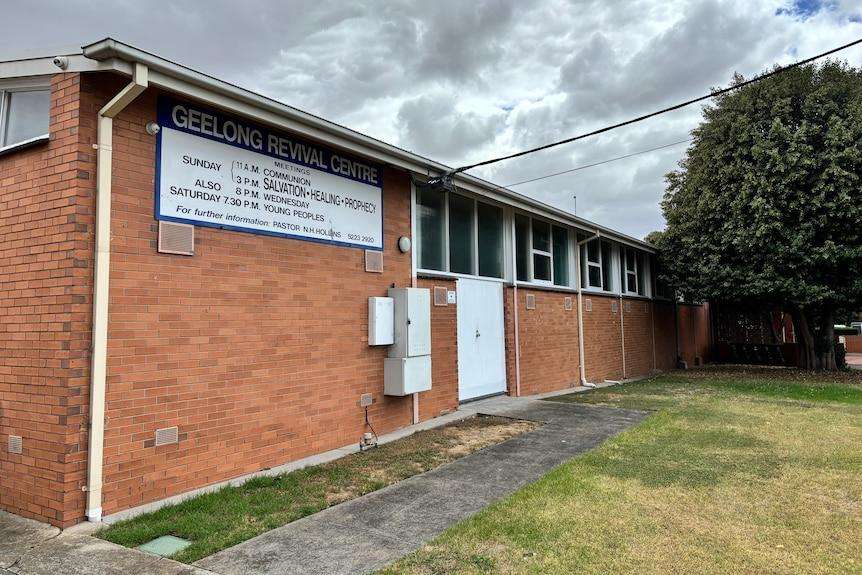
Condello grew up as part of the Geelong Revival Centre (GRC), a religious movement founded in Victoria that former members have described as highly controlling. She said her childhood was shaped by beliefs that the world could end at any time and that strict obedience to church teachings was essential.
According to Condello, growing up in the church meant limited exposure to the outside world. She said she was homeschooled during her early years, had few friendships outside the community and was raised with strong expectations about faith, family roles and behaviour.
Her memoir describes the difficulties she experienced while questioning the beliefs she had been raised with. Condello said leaving the church was not simply a change of lifestyle but meant losing connections with people she had known her entire life, including members of her own family.
At the age of 27, Condello made the decision to leave the Geelong Revival Centre. She has described the decision as one of the most difficult moments of her life because leaving meant separation from her previous community and having to build a new identity independently.
After leaving, Condello began the challenging process of learning how to navigate relationships, friendships and everyday life outside the environment she had known since childhood. She said the experience involved healing, discovering personal independence and finding supportive communities beyond the church.
Her book, “Can You Handle a Girl Like Me?”, explores themes of identity, trauma, recovery and personal transformation. Condello said she wanted to share her story not only as an account of her past but also as a message of hope for people rebuilding their lives after difficult experiences.
The story has renewed public discussion about closed religious communities, personal freedom and the experiences of people who leave high-control groups. Condello’s interviews have also highlighted the emotional challenges faced by people who separate from communities where family and social relationships are deeply connected to religious membership.
Today, Condello describes building a life filled with travel, friendships and new experiences. She says leaving the church allowed her to discover her own values and create relationships based on personal choice rather than strict expectations.
Her story has attracted attention across Australia because it highlights the complexity of leaving a closed community and the long process of rebuilding after major life changes. Through her memoir and public conversations, Condello hopes her experiences can help others understand the challenges of recovery, independence and finding a new sense of belonging.
CondelloChurchLeavingLifePersonal
Bek Condello has shared her personal journey of growing up inside a strict Pentecostal doomsday church and finding freedom after leaving the community that shaped her entire childhood. Her story is detailed in her memoir “Can You Handle a Girl Like Me?”, where she reflects on her upbringing, the challenges of leaving, and the process of creating a new life outside the church.
Condello grew up as part of the Geelong Revival Centre (GRC), a religious movement founded in Victoria that former members have described as highly controlling. She said her childhood was shaped by beliefs that the world could end at any time and that strict obedience to church teachings was essential.
According to Condello, growing up in the church meant limited exposure to the outside world. She said she was homeschooled during her early years, had few friendships outside the community and was raised with strong expectations about faith, family roles and behaviour.
Her memoir describes the difficulties she experienced while questioning the beliefs she had been raised with. Condello said leaving the church was not simply a change of lifestyle but meant losing connections with people she had known her entire life, including members of her own family.
At the age of 27, Condello made the decision to leave the Geelong Revival Centre. She has described the decision as one of the most difficult moments of her life because leaving meant separation from her previous community and having to build a new identity independently.
After leaving, Condello began the challenging process of learning how to navigate relationships, friendships and everyday life outside the environment she had known since childhood. She said the experience involved healing, discovering personal independence and finding supportive communities beyond the church.
Her book, “Can You Handle a Girl Like Me?”, explores themes of identity, trauma, recovery and personal transformation. Condello said she wanted to share her story not only as an account of her past but also as a message of hope for people rebuilding their lives after difficult experiences.
The story has renewed public discussion about closed religious communities, personal freedom and the experiences of people who leave high-control groups. Condello’s interviews have also highlighted the emotional challenges faced by people who separate from communities where family and social relationships are deeply connected to religious membership.
Today, Condello describes building a life filled with travel, friendships and new experiences. She says leaving the church allowed her to discover her own values and create relationships based on personal choice rather than strict expectations.
Her story has attracted attention across Australia because it highlights the complexity of leaving a closed community and the long process of rebuilding after major life changes. Through her memoir and public conversations, Condello hopes her experiences can help others understand the challenges of recovery, independence and finding a new sense of belonging.
A regional news roundup from South West and Great Southern Western Australia highlights environmental concerns, community projects, housing pressures an...
Bathurst New South Wales · Religion News · 14 May 2026
Growth of the internationally recognised endurance race is adding weight to calls for significant investment in the Mount Panorama-Wahluu Racing Circuit and its supporting infra...
The BAAKA Cultural & Arts Centre has announced the appointment of experienced Indigenous arts leader Liane Wendt as its new Executive Director, bringing more than a decade of ex...
New workplace data shows staff absenteeism jumped sharply during the historic MCG NFL event, while Melbourne businesses also benefited from a major spen...
Cairns Regional Council has unanimously voted to seek $400,000 in Queensland Government funding for a program designed to connect local businesses with the region’s growing film...
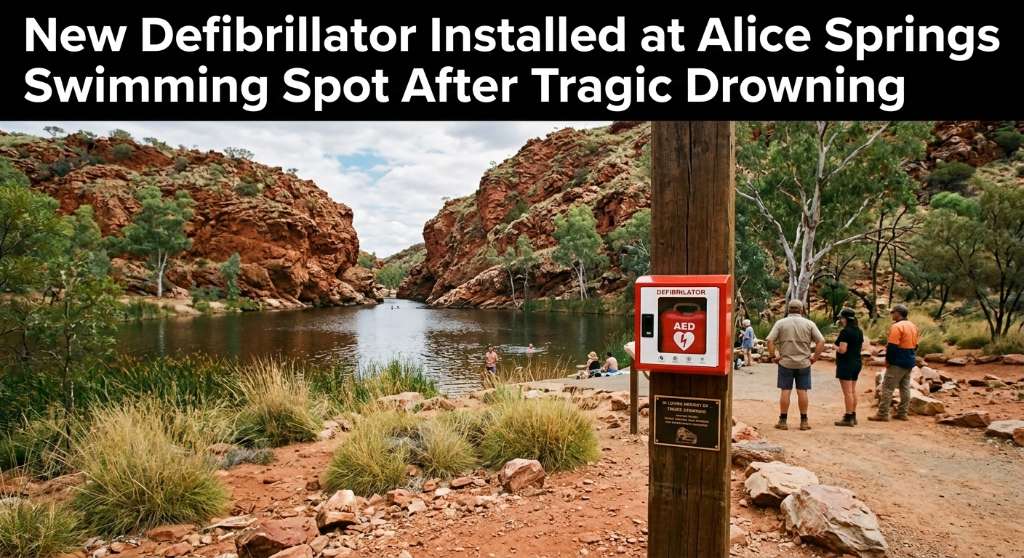
An automated external defibrillator and memorial plaque have been installed at Ellery Creek Big Hole following the death of disability advocate Ellen Fr...
Queensland firefighters spent several hours monitoring a significant grass fire at Mary Kinross Park in Bargara, near Bundaberg, after the blaze broke out on Wednesday evening....