Safety note: Admin approval is an initial review, not a guarantee that every detail is correct. Check important or urgent claims with official sources and report anything inaccurate or unsafe.
Source and credit: Contributor's own report
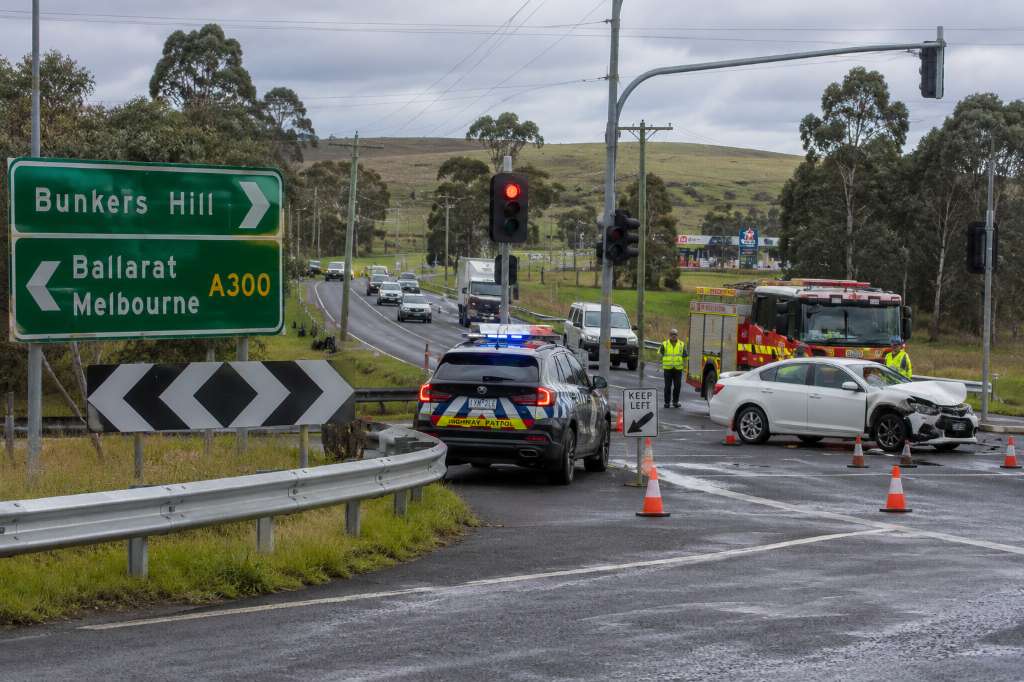
Black Spot Program Questioned After Fatal Bunkers Hill Crash - Ballarat, VIC
Smart summary
Questions are being raised about road-safety funding after a fatal crash at Bunkers Hill, with the Ballarat community examining whether safety improvements should have been made before tragedy struck.
Questions have been raised about the effectiveness of Victoria’s Black Spot Program following a fatal crash at Bunkers Hill near Ballarat, with concerns that road-safety improvements may come too late for communities affected by serious crashes.
The issue has gained renewed attention after the death of Alex Baines, whose fatal crash has prompted discussion about the way dangerous intersections are identified and upgraded. A reported $2 million safety project was allocated to the intersection following the tragedy, raising questions about whether infrastructure improvements should be completed before serious crashes occur rather than in response to them.
The Black Spot Program is designed to improve road locations where serious crashes have occurred or where there is evidence of a significant safety risk. Funding can be used for projects such as intersection upgrades, improved traffic controls, road alignment changes and other engineering measures intended to reduce the likelihood or severity of crashes.
For communities around Ballarat, the debate is particularly significant because regional roads often carry a mixture of local traffic, heavy vehicles and commuters travelling between towns. Dangerous intersections can become increasingly concerning as traffic volumes change and surrounding areas develop.
The Bunkers Hill crash has placed a human face on the broader debate. The death of Baines has left family and community members dealing with the consequences of a serious road incident while also prompting questions about whether earlier intervention could have prevented the tragedy.
Road-safety experts have questioned an approach that relies heavily on crash history before significant funding is provided. Under such a system, locations may receive priority after multiple serious incidents have demonstrated a pattern of danger. Critics argue that authorities should also be able to identify potential hazards before lives are lost.
The discussion does not mean that every road upgrade can prevent every crash. Driver behaviour, weather, vehicle conditions and other factors can all contribute to serious incidents. However, appropriately designed road infrastructure can reduce risks and, in some circumstances, lessen the severity of crashes.
The reported $2 million investment at the Bunkers Hill location demonstrates the scale of funding that may be required to address major road-safety problems. Such projects can involve substantial planning, engineering assessments and construction work before motorists see the benefits.
For local residents, the priority is ensuring that safety improvements are delivered effectively and that other potentially dangerous locations are identified before further tragedies occur.
The issue also highlights the importance of collecting and analysing road-crash data. Information about collision locations, traffic patterns and road design can help authorities determine where investment may have the greatest safety benefit.
Ballarat and surrounding communities continue to rely on regional roads for everyday travel, making road safety an important local issue. Residents want infrastructure that keeps pace with changing traffic conditions and provides safer routes for motorists, cyclists and pedestrians.
The debate surrounding Bunkers Hill is therefore broader than one intersection. It raises questions about how governments prioritise road-safety spending, how quickly dangerous locations receive funding and whether prevention should play a greater role in infrastructure decisions.
Authorities and road-safety agencies will ultimately determine the appropriate improvements for the site. The tragedy has nevertheless renewed calls for a more proactive approach to identifying and addressing dangerous roads across regional Victoria.
For the Ballarat community, the focus remains on improving road safety and ensuring lessons from serious crashes are used to reduce the risk of similar tragedies in the future.
RoadSeriousCrashCrashesSafety
Questions have been raised about the effectiveness of Victoria’s Black Spot Program following a fatal crash at Bunkers Hill near Ballarat, with concerns that road-safety improvements may come too late for communities affected by serious crashes.
The issue has gained renewed attention after the death of Alex Baines, whose fatal crash has prompted discussion about the way dangerous intersections are identified and upgraded. A reported $2 million safety project was allocated to the intersection following the tragedy, raising questions about whether infrastructure improvements should be completed before serious crashes occur rather than in response to them.
The Black Spot Program is designed to improve road locations where serious crashes have occurred or where there is evidence of a significant safety risk. Funding can be used for projects such as intersection upgrades, improved traffic controls, road alignment changes and other engineering measures intended to reduce the likelihood or severity of crashes.
For communities around Ballarat, the debate is particularly significant because regional roads often carry a mixture of local traffic, heavy vehicles and commuters travelling between towns. Dangerous intersections can become increasingly concerning as traffic volumes change and surrounding areas develop.
The Bunkers Hill crash has placed a human face on the broader debate. The death of Baines has left family and community members dealing with the consequences of a serious road incident while also prompting questions about whether earlier intervention could have prevented the tragedy.
Road-safety experts have questioned an approach that relies heavily on crash history before significant funding is provided. Under such a system, locations may receive priority after multiple serious incidents have demonstrated a pattern of danger. Critics argue that authorities should also be able to identify potential hazards before lives are lost.
The discussion does not mean that every road upgrade can prevent every crash. Driver behaviour, weather, vehicle conditions and other factors can all contribute to serious incidents. However, appropriately designed road infrastructure can reduce risks and, in some circumstances, lessen the severity of crashes.
The reported $2 million investment at the Bunkers Hill location demonstrates the scale of funding that may be required to address major road-safety problems. Such projects can involve substantial planning, engineering assessments and construction work before motorists see the benefits.
For local residents, the priority is ensuring that safety improvements are delivered effectively and that other potentially dangerous locations are identified before further tragedies occur.
The issue also highlights the importance of collecting and analysing road-crash data. Information about collision locations, traffic patterns and road design can help authorities determine where investment may have the greatest safety benefit.
Ballarat and surrounding communities continue to rely on regional roads for everyday travel, making road safety an important local issue. Residents want infrastructure that keeps pace with changing traffic conditions and provides safer routes for motorists, cyclists and pedestrians.
The debate surrounding Bunkers Hill is therefore broader than one intersection. It raises questions about how governments prioritise road-safety spending, how quickly dangerous locations receive funding and whether prevention should play a greater role in infrastructure decisions.
Authorities and road-safety agencies will ultimately determine the appropriate improvements for the site. The tragedy has nevertheless renewed calls for a more proactive approach to identifying and addressing dangerous roads across regional Victoria.
For the Ballarat community, the focus remains on improving road safety and ensuring lessons from serious crashes are used to reduce the risk of similar tragedies in the future.
Rockhampton Regional Council says the rising cost of transporting recyclable waste hundreds of kilometres is making it difficult to meet Queensland's re...
A 42-year-old woman has been charged with murder and attempted murder after three children were found with stab wounds at Valley Heights in the Blue Mou...
Australian children's author and illustrator Terry Denton, best known for his long-running creative partnership on the popular Treehouse books, has died...
Construction has begun on a new purpose-built ambulance station at Caves Beach in Lake Macquarie, with the facility expected to strengthen emergency med...
Rose Tattoo frontman Gary “Angry” Anderson has died at 79 after a five-decade career spanning Australian rock music, television, film and youth advocacy.
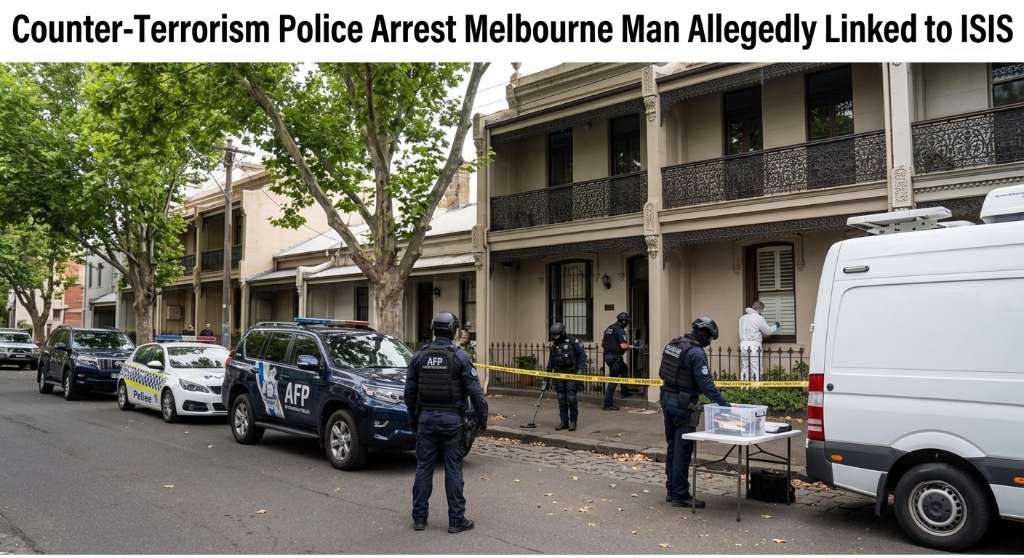
A 65-year-old Melbourne man has been arrested by counter-terrorism police, who allege he pledged allegiance to ISIS and distributed thousands of violent...
A 17-year-old has been sentenced to two years and nine months in detention for his role in a violent home invasion in Melbourne's east that left a man w...
Australian children's author and illustrator Terry Denton, best known for his long-running creative partnership on the popular Treehouse books, has died...
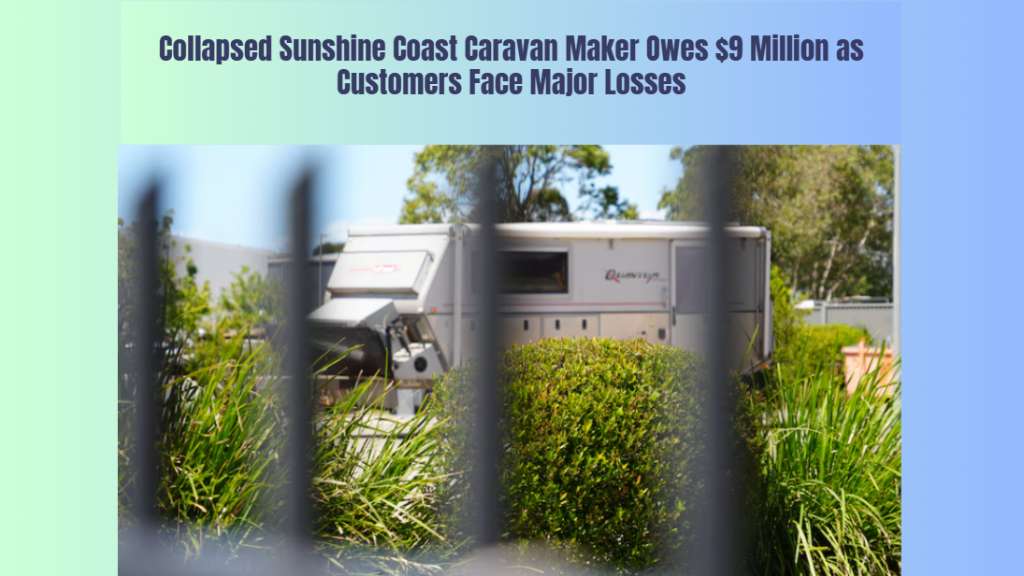
Administrators have revealed Australian Off Road owes about $9 million after the Sunshine Coast caravan manufacturer collapsed, leaving customers, emplo...
A woman has died following a serious three-vehicle collision involving a commercial bus and two cars in Glenburn, in Victoria’s Yarra Ranges, on Thursday, 24 September 2026. Eme...
A woman has died following a serious three-car collision in Leongatha, Victoria, on Wednesday afternoon, 23 September 2026. Emergency services were called to the Strzelecki High...
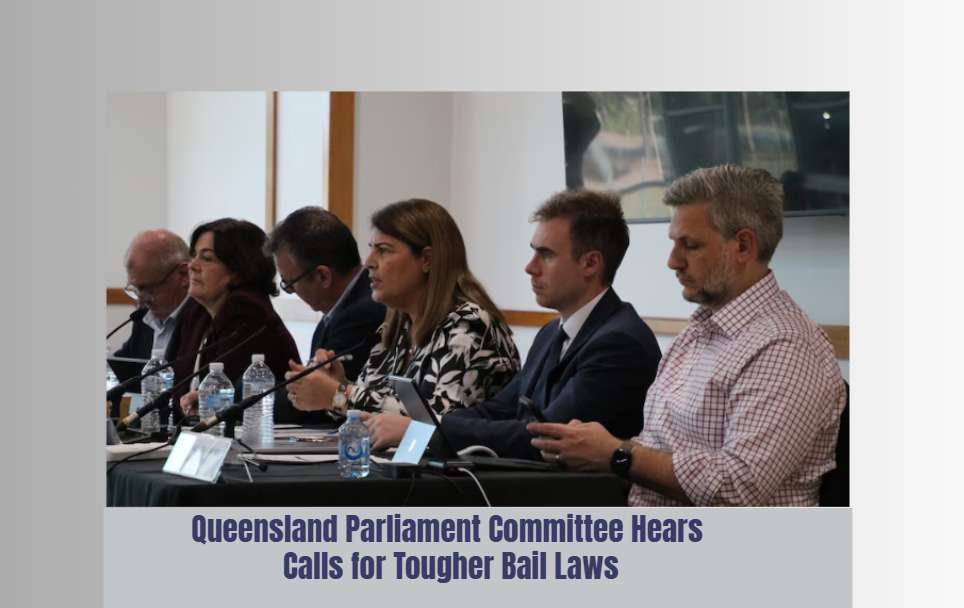
A Queensland parliamentary committee has completed regional hearings on proposed tougher bail laws, hearing from crime victims, legal experts and commun...