Safety note: Admin approval is an initial review, not a guarantee that every detail is correct. Check important or urgent claims with official sources and report anything inaccurate or unsafe.
Source and credit: Contributor's own report
Bondi antisemitism inquiry examines role of education in rebuilding social cohesion - Sydney, NSW
Smart summary
The Royal Commission into Antisemitism and Social Cohesion has examined concerns about antisemitism in schools and the role education can play in preventing hate and strengthening community understanding.
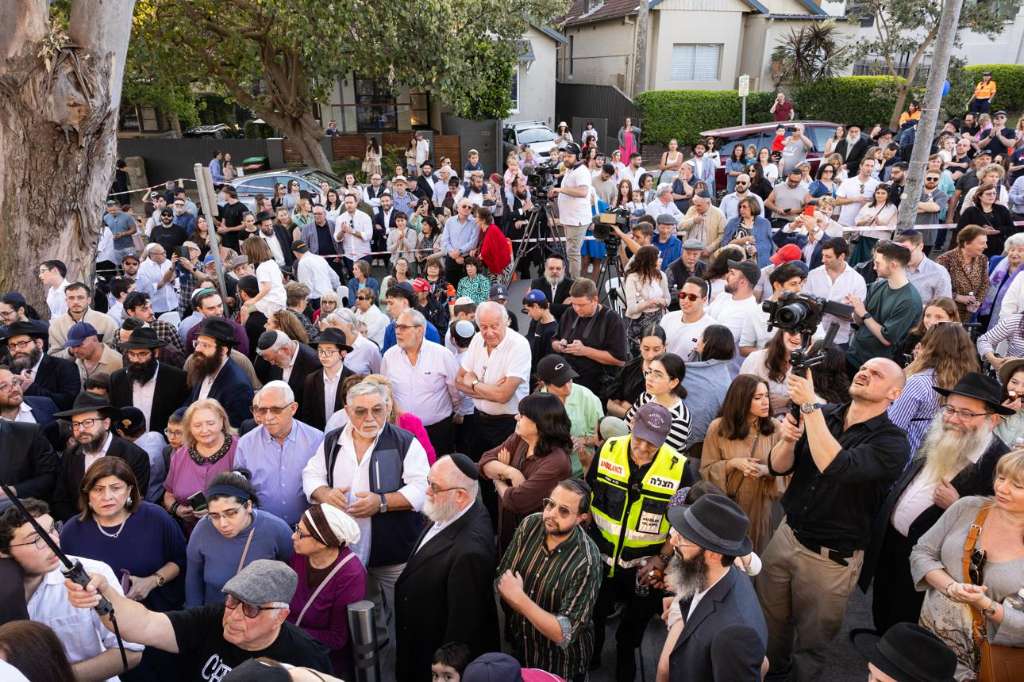
Australia’s Royal Commission on Antisemitism and Social Cohesion has turned its attention to the role of education in addressing rising concerns about antisemitism, discrimination and community division following the Bondi terrorist attack and increased reports of hate incidents.
The inquiry is examining how schools and educational institutions respond to antisemitism, racism and other forms of prejudice, while considering ways to improve social cohesion across Australian communities.
Education has been identified as a key area in preventing the spread of hate by teaching students about respect, diversity, historical events and the impact of discrimination. The commission is considering whether current approaches in schools and universities are effective in helping students understand antisemitism and other forms of racism.
The hearings come after the establishment of the Royal Commission following the deadly Bondi attack on 14 December 2025. The commission’s terms of reference include examining antisemitism, hate speech, social cohesion and measures needed to strengthen community safety.
Jewish Australians have told the inquiry about experiences of harassment, intimidation and feeling unsafe in everyday environments, including educational settings. Some community members have raised concerns about Jewish students facing hostility or feeling unable to openly express their identity.
Universities and schools have also faced scrutiny over how they handle complaints involving antisemitism and other politically sensitive issues. The inquiry is examining whether institutions have appropriate policies, reporting systems and support services for students experiencing discrimination.
Supporters of stronger education measures argue that preventing hate requires more than responding after incidents occur. They say students should receive age-appropriate education about antisemitism, Holocaust history, racism and respectful engagement with different cultures and religions.
The discussion has also included concerns about online platforms and social media, where young people can be exposed to extremist content, misinformation and hateful material. Previous hearings of the commission examined the spread of antisemitic content online and its impact on Australian communities.
Education experts have emphasised that schools need clear guidance and resources to manage difficult conversations about global conflicts, religion and identity. They say teachers require support and training to address prejudice while encouraging open discussion and critical thinking.
The inquiry is also considering how governments, education providers and community organisations can work together to improve trust between different groups.
Jewish community representatives have called for stronger protections against discrimination while maintaining inclusive learning environments where all students feel safe.
The Royal Commission is expected to continue hearing evidence from community leaders, educators, institutions and experts before delivering its final recommendations. Commissioner Virginia Bell AC SC is required to provide a final report later in 2026.
The outcome of the inquiry could influence future policies on school education, university governance, hate speech prevention and community safety across Australia.
AntisemitismEducationCommunityCommissionInquiry
Australia’s Royal Commission on Antisemitism and Social Cohesion has turned its attention to the role of education in addressing rising concerns about antisemitism, discrimination and community division following the Bondi terrorist attack and increased reports of hate incidents.
The inquiry is examining how schools and educational institutions respond to antisemitism, racism and other forms of prejudice, while considering ways to improve social cohesion across Australian communities.
Education has been identified as a key area in preventing the spread of hate by teaching students about respect, diversity, historical events and the impact of discrimination. The commission is considering whether current approaches in schools and universities are effective in helping students understand antisemitism and other forms of racism.
The hearings come after the establishment of the Royal Commission following the deadly Bondi attack on 14 December 2025. The commission’s terms of reference include examining antisemitism, hate speech, social cohesion and measures needed to strengthen community safety.
Jewish Australians have told the inquiry about experiences of harassment, intimidation and feeling unsafe in everyday environments, including educational settings. Some community members have raised concerns about Jewish students facing hostility or feeling unable to openly express their identity.
Universities and schools have also faced scrutiny over how they handle complaints involving antisemitism and other politically sensitive issues. The inquiry is examining whether institutions have appropriate policies, reporting systems and support services for students experiencing discrimination.
Supporters of stronger education measures argue that preventing hate requires more than responding after incidents occur. They say students should receive age-appropriate education about antisemitism, Holocaust history, racism and respectful engagement with different cultures and religions.
The discussion has also included concerns about online platforms and social media, where young people can be exposed to extremist content, misinformation and hateful material. Previous hearings of the commission examined the spread of antisemitic content online and its impact on Australian communities.
Education experts have emphasised that schools need clear guidance and resources to manage difficult conversations about global conflicts, religion and identity. They say teachers require support and training to address prejudice while encouraging open discussion and critical thinking.
The inquiry is also considering how governments, education providers and community organisations can work together to improve trust between different groups.
Jewish community representatives have called for stronger protections against discrimination while maintaining inclusive learning environments where all students feel safe.
The Royal Commission is expected to continue hearing evidence from community leaders, educators, institutions and experts before delivering its final recommendations. Commissioner Virginia Bell AC SC is required to provide a final report later in 2026.
The outcome of the inquiry could influence future policies on school education, university governance, hate speech prevention and community safety across Australia.
An automated external defibrillator and memorial plaque have been installed at Ellery Creek Big Hole following the death of disability advocate Ellen Fr...
Bathurst New South Wales · Community News · 17 Sep 2026
Kerry “Pecky” Peck, a long-standing Bathurst radio personality, has been inducted into the Bathurst Business Hall of Fame in recognition of his extensive contribution to the loc...
A new specialist family-violence support model has been introduced in Ballarat, with dedicated workers now embedded alongside Victoria Police to help people experiencing family...
Orange New South Wales · Community News · 17 Sep 2026
Orange City Council has elected a new Deputy Mayor for the next two years, with the decision announced today, 17 September 2026. The council said the election took place during...
A 36-year-old man has been charged after investigators allegedly found fraudulent identification documents, cloned number plates, cash and drug-manufact...
A Sydney court has heard that a man sent 249 messages to a former partner within 24 hours, with the messages treated as a single alleged breach of an ap...
A high-profile athlete has returned to court and told the hearing that an alleged unwanted kiss by former broadcaster Alan Jones remained difficult to f...
Work on the $150 million Sydney Town Hall Square project has been paused after the NSW Planning Minister referred the development for review by the Inde...
Cairns Regional Council has unanimously voted to seek $400,000 in Queensland Government funding for a program designed to connect local businesses with the region’s growing film...
An automated external defibrillator and memorial plaque have been installed at Ellery Creek Big Hole following the death of disability advocate Ellen Fr...
Queensland firefighters spent several hours monitoring a significant grass fire at Mary Kinross Park in Bargara, near Bundaberg, after the blaze broke out on Wednesday evening....