Safety note: Admin approval is an initial review, not a guarantee that every detail is correct. Check important or urgent claims with official sources and report anything inaccurate or unsafe.
Source and credit: Contributor's own report
Boyne River Water Supply Remains Central to Gladstone’s Future Growth - Gladstone, QLD
Smart summary
The Boyne River has played a key role in supplying water to the Gladstone region for decades, with ongoing planning and infrastructure projects focused on securing reliable water supplies for the growing community.
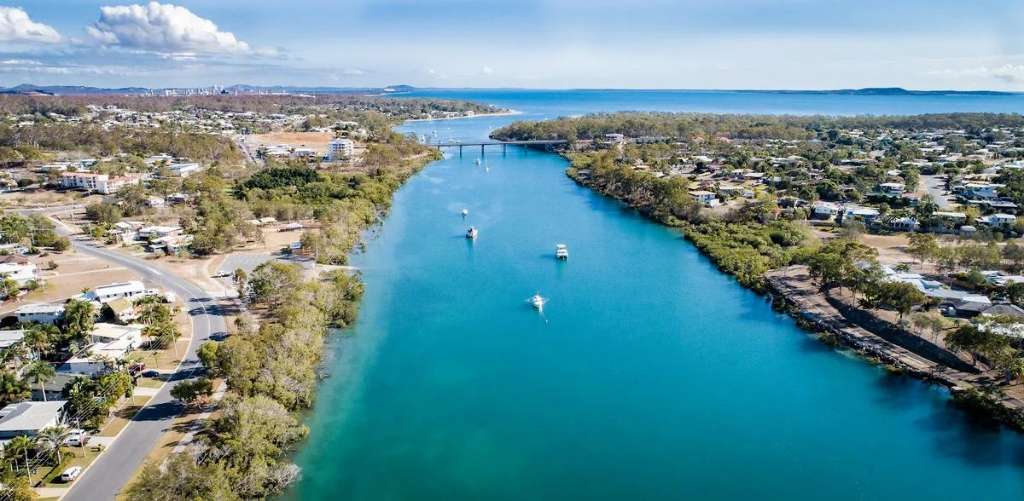
The Boyne River continues to be an important part of Gladstone’s history and future, providing a major source of water for households, industries and communities across Central Queensland. The region’s connection with the river dates back more than a century, with early discussions in the late 1800s and early 1900s considering the Boyne and Calliope Rivers as possible water sources for Gladstone.
Today, the Boyne River supports the region through Lake Awoonga, the main water storage facility operated by the Gladstone Area Water Board (GAWB). Awoonga Dam, located south of Gladstone, collects water from the Boyne River catchment and supplies treated bulk water to Gladstone and surrounding communities.
The water system plays an important role in supporting both residential communities and major industries in the Gladstone region. Water from Awoonga Dam is delivered through pipelines and treatment infrastructure to customers including Gladstone Regional Council, which supplies areas such as Gladstone, Calliope, Boyne Island, Tannum Sands, Benaraby and Mt Larcom.
The importance of the Boyne River has increased as Gladstone continues to grow. The region’s expanding population, industrial activity and environmental needs require a secure and sustainable water supply. Authorities have identified that relying on a single water source creates risks, particularly during extended dry periods or changing climate conditions.
To improve long-term water security, the Queensland Government approved the Fitzroy to Gladstone Pipeline project, which will provide an additional water source for the region. Once operational, water from the Fitzroy River will work alongside Boyne River water from Awoonga Dam, creating a more resilient supply network.
The Boyne River catchment also has important environmental value. The catchment covers a large area of Central Queensland and includes waterways and tributaries that contribute to the region’s ecosystems and water quality. Managing land use, protecting waterways and monitoring environmental conditions remain important parts of maintaining the health of the catchment.
Community awareness and responsible water management continue to be key factors in protecting the region’s supply. Water authorities regularly monitor storage levels, infrastructure and catchment conditions to ensure reliable delivery for residents and businesses.
As Gladstone moves into the future, the Boyne River remains more than just a water source — it represents the history, development and sustainability of the region. From early planning discussions more than 100 years ago to modern infrastructure projects, the river continues to play a vital role in supporting Central Queensland communities.
WaterGladstoneRiverBoyneRegion
The Boyne River continues to be an important part of Gladstone’s history and future, providing a major source of water for households, industries and communities across Central Queensland. The region’s connection with the river dates back more than a century, with early discussions in the late 1800s and early 1900s considering the Boyne and Calliope Rivers as possible water sources for Gladstone.
Today, the Boyne River supports the region through Lake Awoonga, the main water storage facility operated by the Gladstone Area Water Board (GAWB). Awoonga Dam, located south of Gladstone, collects water from the Boyne River catchment and supplies treated bulk water to Gladstone and surrounding communities.
The water system plays an important role in supporting both residential communities and major industries in the Gladstone region. Water from Awoonga Dam is delivered through pipelines and treatment infrastructure to customers including Gladstone Regional Council, which supplies areas such as Gladstone, Calliope, Boyne Island, Tannum Sands, Benaraby and Mt Larcom.
The importance of the Boyne River has increased as Gladstone continues to grow. The region’s expanding population, industrial activity and environmental needs require a secure and sustainable water supply. Authorities have identified that relying on a single water source creates risks, particularly during extended dry periods or changing climate conditions.
To improve long-term water security, the Queensland Government approved the Fitzroy to Gladstone Pipeline project, which will provide an additional water source for the region. Once operational, water from the Fitzroy River will work alongside Boyne River water from Awoonga Dam, creating a more resilient supply network.
The Boyne River catchment also has important environmental value. The catchment covers a large area of Central Queensland and includes waterways and tributaries that contribute to the region’s ecosystems and water quality. Managing land use, protecting waterways and monitoring environmental conditions remain important parts of maintaining the health of the catchment.
Community awareness and responsible water management continue to be key factors in protecting the region’s supply. Water authorities regularly monitor storage levels, infrastructure and catchment conditions to ensure reliable delivery for residents and businesses.
As Gladstone moves into the future, the Boyne River remains more than just a water source — it represents the history, development and sustainability of the region. From early planning discussions more than 100 years ago to modern infrastructure projects, the river continues to play a vital role in supporting Central Queensland communities.
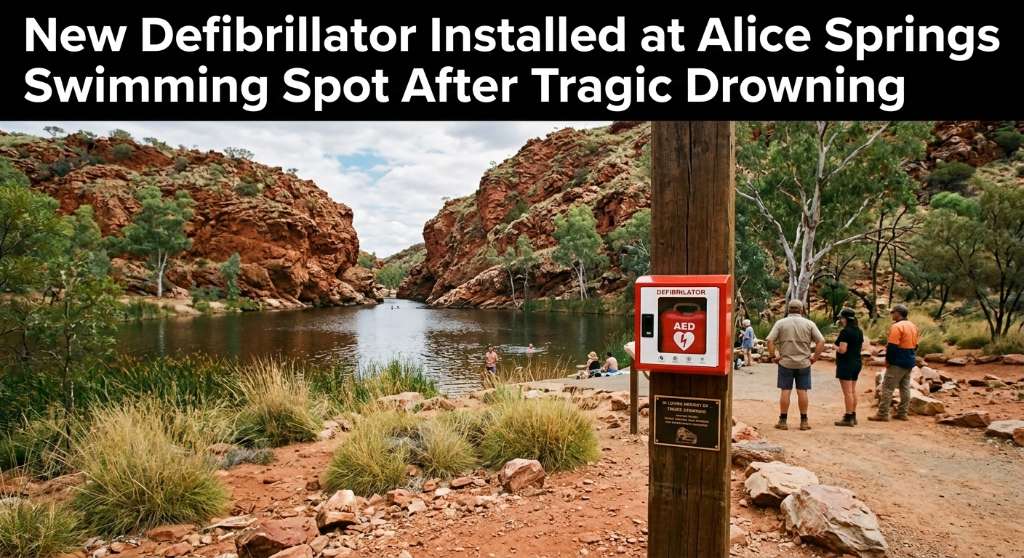
An automated external defibrillator and memorial plaque have been installed at Ellery Creek Big Hole following the death of disability advocate Ellen Fr...
Bathurst New South Wales · Community News · 17 Sep 2026
Kerry “Pecky” Peck, a long-standing Bathurst radio personality, has been inducted into the Bathurst Business Hall of Fame in recognition of his extensive contribution to the loc...
A new specialist family-violence support model has been introduced in Ballarat, with dedicated workers now embedded alongside Victoria Police to help people experiencing family...
Orange New South Wales · Community News · 17 Sep 2026
Orange City Council has elected a new Deputy Mayor for the next two years, with the decision announced today, 17 September 2026. The council said the election took place during...
Queensland's emerging football prospects are coming together for a three-day Brisbane Lions State Academy showcase, giving young players an opportunity...
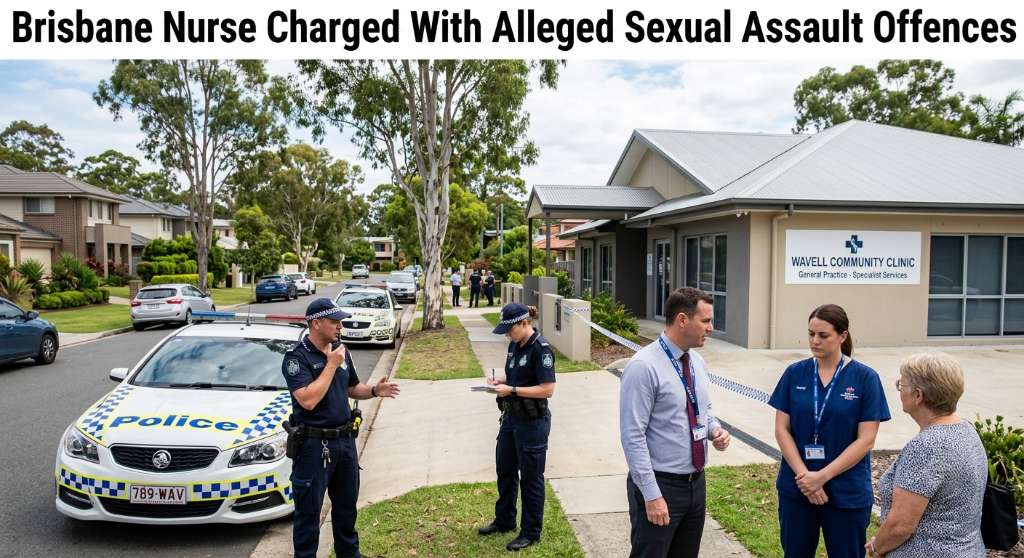
A Wavell Heights enrolled nurse has been charged with four counts of alleged sexual assault and one count of wilful exposure, with his professional regi...
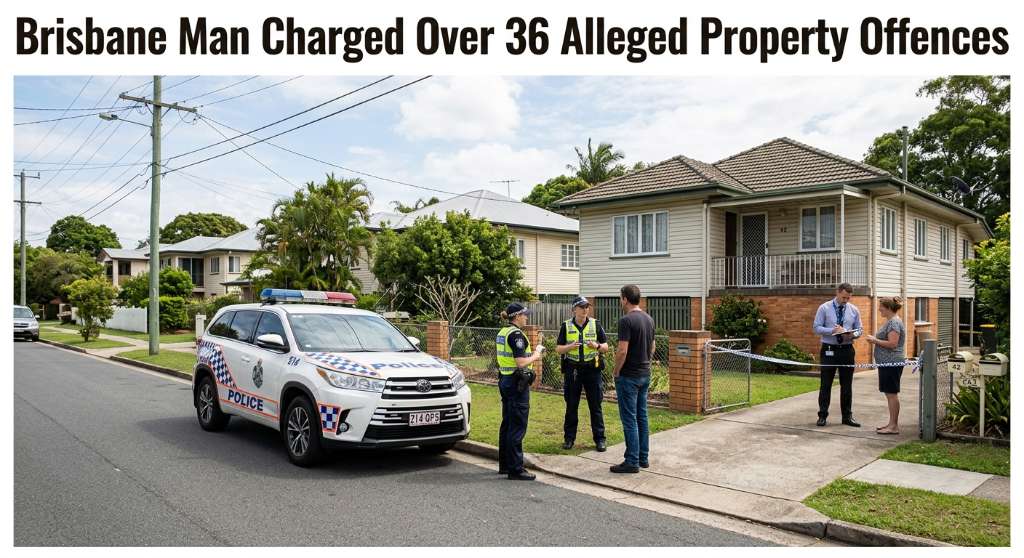
A 24-year-old Carina Heights man has been charged with 36 offences following an investigation into alleged break-ins, vehicle offences and other propert...
Cairns Regional Council has unanimously voted to seek $400,000 in Queensland Government funding for a program designed to connect local businesses with the region’s growing film...
An automated external defibrillator and memorial plaque have been installed at Ellery Creek Big Hole following the death of disability advocate Ellen Fr...
Queensland firefighters spent several hours monitoring a significant grass fire at Mary Kinross Park in Bargara, near Bundaberg, after the blaze broke out on Wednesday evening....