Safety note: Admin approval is an initial review, not a guarantee that every detail is correct. Check important or urgent claims with official sources and report anything inaccurate or unsafe.
A Queensland Industrial Relations Commission decision has upheld four misconduct findings against a senior ambulance operations supervisor based in Cairns.
A senior Queensland Ambulance Service operations supervisor based in Cairns has lost an appeal against several workplace misconduct findings following a lengthy disciplinary investigation. The Queensland Industrial Relations Commission confirmed four misconduct findings involving workplace behaviour, while one further allegation was not established because the available evidence did not meet the required standard.
The case involved a four-year investigation into 26 allegations concerning the supervisor's conduct. The allegations related to behaviour towards colleagues and included inappropriate comments, crude remarks and conduct that was found to be inconsistent with the professional standards expected of a senior ambulance service employee.
The supervisor, who had worked for the Queensland Ambulance Service since 2008 and had held a senior operations supervisor position in Cairns since 2018, challenged the findings on appeal. He argued that the evidence supporting the disciplinary conclusions was weak and that some of the behaviour needed to be considered in the context of workplace culture at the time.
The appeal commissioner rejected that argument. The decision noted that workplace culture could not be used to justify conduct that breached the organisation's expected standards of courtesy and respect. The commissioner said that professional obligations existed regardless of whether certain forms of crude workplace banter had previously been tolerated by colleagues.
Among the findings confirmed on appeal were allegations concerning inappropriate comments about the supervisor's own body, a derogatory comment directed towards a female colleague and remarks portraying another female employee as a spy. These findings were considered serious enough to constitute breaches of the relevant code of conduct.
A separate allegation involving an inappropriate sexualised comment made to a subordinate was not upheld. The commission explained that the evidence available for that particular allegation was insufficient to establish that the conversation occurred to the required legal standard. Importantly, the decision did not conclude that the employee who made the complaint had been untruthful.
The appeal also considered the workplace environment in which the alleged conduct occurred. The supervisor argued that a culture of crude banter existed before the Queensland Ambulance Service introduced stronger workplace respect initiatives. The commissioner rejected the suggestion that such a culture removed the obligation for employees, particularly senior employees, to behave professionally.
The decision is significant because the supervisor occupied a leadership role that required him to maintain professional relationships and model appropriate workplace behaviour. Senior employees are expected not only to follow workplace standards themselves but also to contribute to a respectful working environment for other staff.
The disciplinary process had already taken several years, beginning after the supervisor was suspended with pay in 2020. The appeal has now confirmed the majority of the relevant misconduct findings.
The final disciplinary consequences have not yet been determined. The Queensland Ambulance Service is expected to consider the confirmed findings before deciding what action should be taken.
The case highlights the continuing importance of workplace conduct standards within Queensland's public emergency services, particularly for employees in supervisory positions. It also demonstrates that a workplace culture in which inappropriate behaviour may have been tolerated does not necessarily provide protection against formal disciplinary action when conduct conflicts with established professional obligations.
WorkplaceSupervisorFindingsAppealConduct
A senior Queensland Ambulance Service operations supervisor based in Cairns has lost an appeal against several workplace misconduct findings following a lengthy disciplinary investigation. The Queensland Industrial Relations Commission confirmed four misconduct findings involving workplace behaviour, while one further allegation was not established because the available evidence did not meet the required standard.
The case involved a four-year investigation into 26 allegations concerning the supervisor's conduct. The allegations related to behaviour towards colleagues and included inappropriate comments, crude remarks and conduct that was found to be inconsistent with the professional standards expected of a senior ambulance service employee.
The supervisor, who had worked for the Queensland Ambulance Service since 2008 and had held a senior operations supervisor position in Cairns since 2018, challenged the findings on appeal. He argued that the evidence supporting the disciplinary conclusions was weak and that some of the behaviour needed to be considered in the context of workplace culture at the time.
The appeal commissioner rejected that argument. The decision noted that workplace culture could not be used to justify conduct that breached the organisation's expected standards of courtesy and respect. The commissioner said that professional obligations existed regardless of whether certain forms of crude workplace banter had previously been tolerated by colleagues.
Among the findings confirmed on appeal were allegations concerning inappropriate comments about the supervisor's own body, a derogatory comment directed towards a female colleague and remarks portraying another female employee as a spy. These findings were considered serious enough to constitute breaches of the relevant code of conduct.
A separate allegation involving an inappropriate sexualised comment made to a subordinate was not upheld. The commission explained that the evidence available for that particular allegation was insufficient to establish that the conversation occurred to the required legal standard. Importantly, the decision did not conclude that the employee who made the complaint had been untruthful.
The appeal also considered the workplace environment in which the alleged conduct occurred. The supervisor argued that a culture of crude banter existed before the Queensland Ambulance Service introduced stronger workplace respect initiatives. The commissioner rejected the suggestion that such a culture removed the obligation for employees, particularly senior employees, to behave professionally.
The decision is significant because the supervisor occupied a leadership role that required him to maintain professional relationships and model appropriate workplace behaviour. Senior employees are expected not only to follow workplace standards themselves but also to contribute to a respectful working environment for other staff.
The disciplinary process had already taken several years, beginning after the supervisor was suspended with pay in 2020. The appeal has now confirmed the majority of the relevant misconduct findings.
The final disciplinary consequences have not yet been determined. The Queensland Ambulance Service is expected to consider the confirmed findings before deciding what action should be taken.
The case highlights the continuing importance of workplace conduct standards within Queensland's public emergency services, particularly for employees in supervisory positions. It also demonstrates that a workplace culture in which inappropriate behaviour may have been tolerated does not necessarily provide protection against formal disciplinary action when conduct conflicts with established professional obligations.
An automated external defibrillator and memorial plaque have been installed at Ellery Creek Big Hole following the death of disability advocate Ellen Fr...
Bathurst New South Wales · Community News · 17 Sep 2026
Kerry “Pecky” Peck, a long-standing Bathurst radio personality, has been inducted into the Bathurst Business Hall of Fame in recognition of his extensive contribution to the loc...
A new specialist family-violence support model has been introduced in Ballarat, with dedicated workers now embedded alongside Victoria Police to help people experiencing family...
Orange New South Wales · Community News · 17 Sep 2026
Orange City Council has elected a new Deputy Mayor for the next two years, with the decision announced today, 17 September 2026. The council said the election took place during...
Queensland's emerging football prospects are coming together for a three-day Brisbane Lions State Academy showcase, giving young players an opportunity...
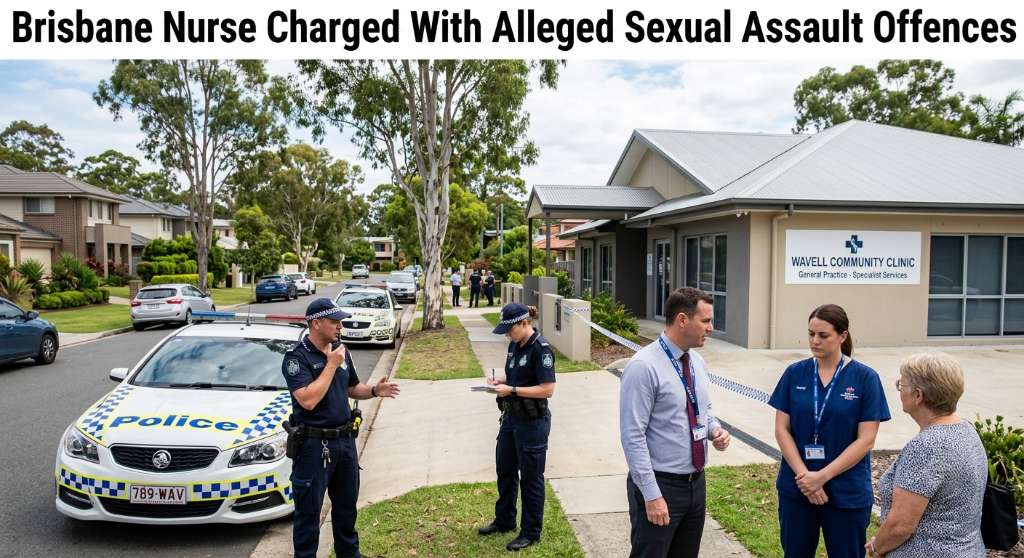
A Wavell Heights enrolled nurse has been charged with four counts of alleged sexual assault and one count of wilful exposure, with his professional regi...
A 24-year-old Carina Heights man has been charged with 36 offences following an investigation into alleged break-ins, vehicle offences and other propert...
Cairns Regional Council has unanimously voted to seek $400,000 in Queensland Government funding for a program designed to connect local businesses with the region’s growing film...
An automated external defibrillator and memorial plaque have been installed at Ellery Creek Big Hole following the death of disability advocate Ellen Fr...
Queensland firefighters spent several hours monitoring a significant grass fire at Mary Kinross Park in Bargara, near Bundaberg, after the blaze broke out on Wednesday evening....