Safety note: Admin approval is an initial review, not a guarantee that every detail is correct. Check important or urgent claims with official sources and report anything inaccurate or unsafe.
Source and credit: Contributor's own report
Dairy farmers turn calves into beef as fast food demand drives new opportunities - Biggara Valley, VIC
Smart summary
Australian dairy farmers are keeping more calves for longer and using beef genetics to supply growing demand for dairy beef from supermarkets and fast food companies.
Australian dairy farmers are finding new opportunities by entering the beef market, with growing interest from fast food companies and supermarkets creating demand for dairy beef cattle.
Traditionally, many male dairy calves, often called bobby calves, were sold at a young age because they were not needed for milk production. However, farmers are increasingly keeping these calves longer and breeding dairy cows with beef genetics to create animals that can produce higher-value beef.
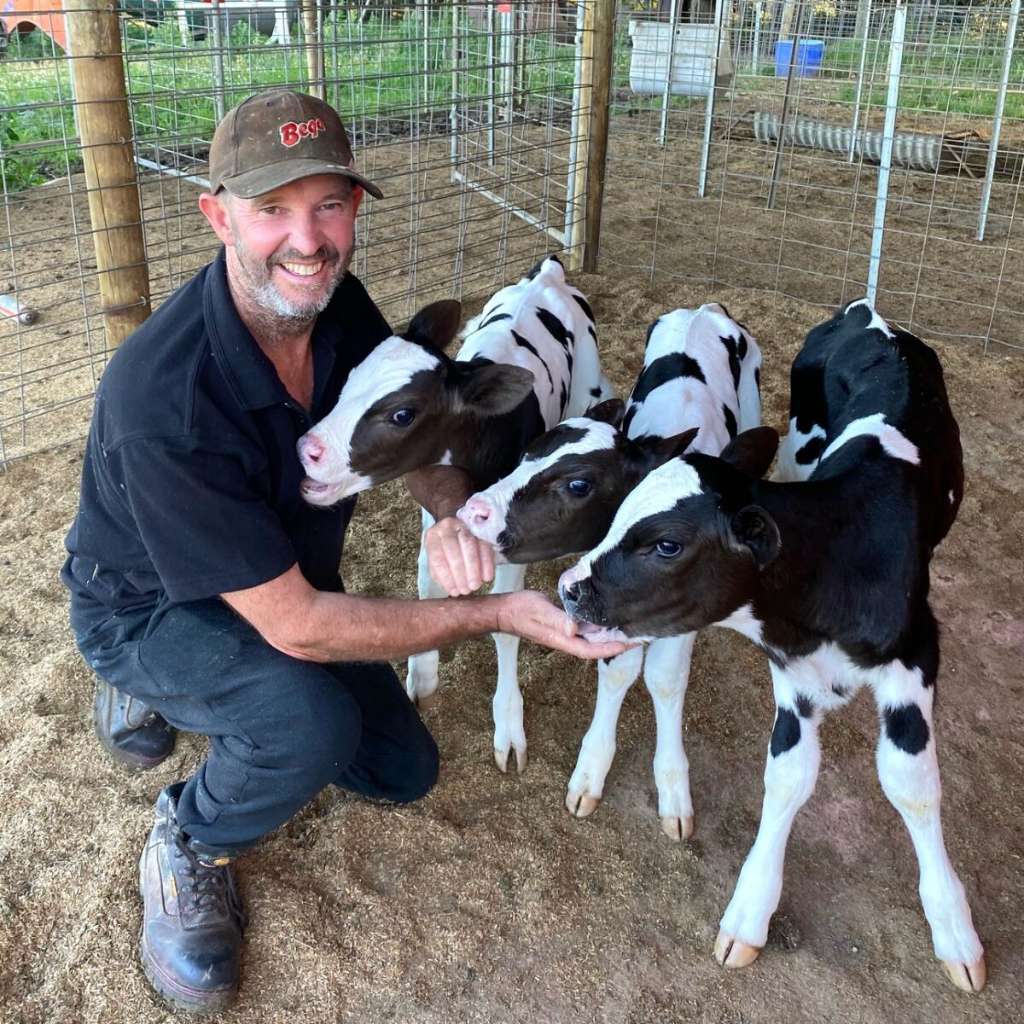
In Victoria’s Upper Murray region, dairy farmer Evan Nicholas and his family milk hundreds of Friesian cows while also raising additional cattle on their farm. Instead of selling calves quickly, they are exploring ways to grow them into valuable beef animals.
The shift is being encouraged by changing demand across the food industry. Large fast food companies and retailers are looking for reliable beef supplies and are showing interest in dairy beef as a way to improve sustainability and increase production efficiency.
Dairy farmers are using beef breeds such as Angus, Hereford and Charolais with dairy genetics to produce stronger calves that can enter the beef supply chain. This approach allows farmers to create an additional income stream while making better use of animals that were previously considered lower-value.
The Dairy Australia and Meat & Livestock Australia Calfways project is also working to improve calf management practices and create more pathways for dairy calves. The project aims to help farmers make informed decisions about raising calves through to weaning, backgrounding and feedlot stages.
The global beef supply situation is another factor driving interest in dairy beef. With cattle numbers declining in some regions, companies are looking for alternative ways to maintain beef supply. Dairy-origin beef is increasingly viewed as an opportunity to increase production without expanding traditional beef herds.
The growth in dairy beef has also increased demand for beef genetics among dairy farmers. Breeding companies have reported significant growth in the use of beef semen on dairy farms as producers look for ways to improve profitability and diversify their businesses.
Industry experts say the move does not mean the traditional bobby calf market will immediately disappear. Instead, dairy beef provides farmers with more options depending on their farm size, resources and market conditions.
Farmers involved in the transition believe dairy beef could become an important part of Australia’s agricultural future by creating new revenue opportunities and improving the value of dairy calves.
As consumer demand for responsibly produced meat continues to grow, dairy farmers are adapting their operations and finding new ways to contribute to the beef supply chain while continuing their core milk production businesses.
BeefDairyFarmersCalvesDemand
Australian dairy farmers are finding new opportunities by entering the beef market, with growing interest from fast food companies and supermarkets creating demand for dairy beef cattle.
Traditionally, many male dairy calves, often called bobby calves, were sold at a young age because they were not needed for milk production. However, farmers are increasingly keeping these calves longer and breeding dairy cows with beef genetics to create animals that can produce higher-value beef.
In Victoria’s Upper Murray region, dairy farmer Evan Nicholas and his family milk hundreds of Friesian cows while also raising additional cattle on their farm. Instead of selling calves quickly, they are exploring ways to grow them into valuable beef animals.
The shift is being encouraged by changing demand across the food industry. Large fast food companies and retailers are looking for reliable beef supplies and are showing interest in dairy beef as a way to improve sustainability and increase production efficiency.
Dairy farmers are using beef breeds such as Angus, Hereford and Charolais with dairy genetics to produce stronger calves that can enter the beef supply chain. This approach allows farmers to create an additional income stream while making better use of animals that were previously considered lower-value.
The Dairy Australia and Meat & Livestock Australia Calfways project is also working to improve calf management practices and create more pathways for dairy calves. The project aims to help farmers make informed decisions about raising calves through to weaning, backgrounding and feedlot stages.
The global beef supply situation is another factor driving interest in dairy beef. With cattle numbers declining in some regions, companies are looking for alternative ways to maintain beef supply. Dairy-origin beef is increasingly viewed as an opportunity to increase production without expanding traditional beef herds.
The growth in dairy beef has also increased demand for beef genetics among dairy farmers. Breeding companies have reported significant growth in the use of beef semen on dairy farms as producers look for ways to improve profitability and diversify their businesses.
Industry experts say the move does not mean the traditional bobby calf market will immediately disappear. Instead, dairy beef provides farmers with more options depending on their farm size, resources and market conditions.
Farmers involved in the transition believe dairy beef could become an important part of Australia’s agricultural future by creating new revenue opportunities and improving the value of dairy calves.
As consumer demand for responsibly produced meat continues to grow, dairy farmers are adapting their operations and finding new ways to contribute to the beef supply chain while continuing their core milk production businesses.
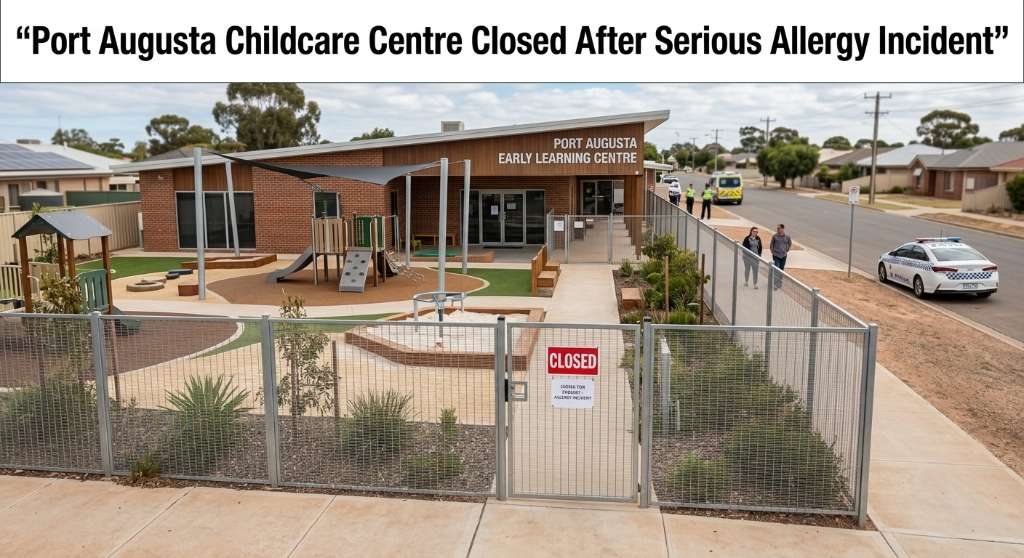
An Edge Early Learning centre in Port Augusta has been ordered to close for two weeks after a child with allergies was hospitalised after being given fo...
The statewide scheme allows eligible renters to transfer their existing bond directly to a new rental property instead of paying a second bond upfront.
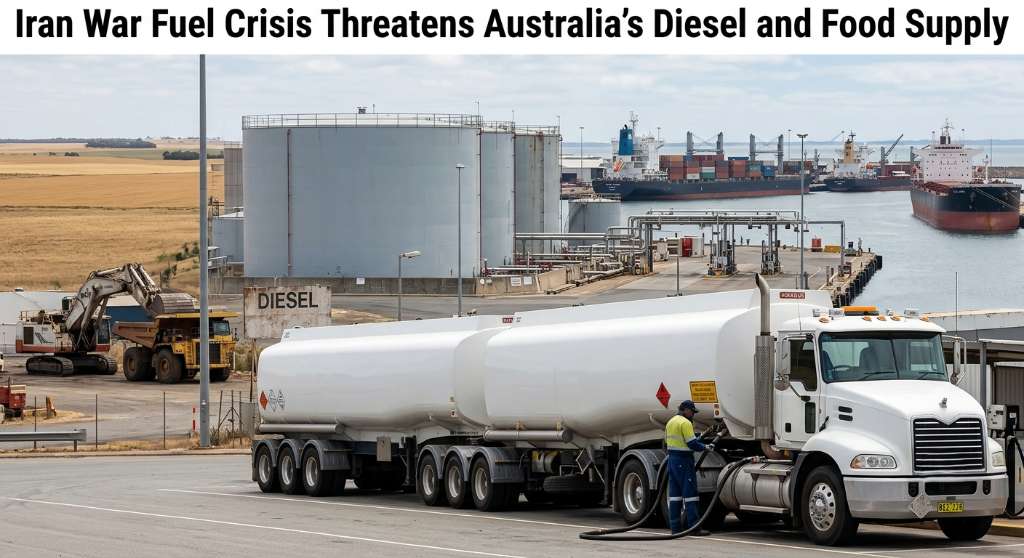
Global diesel shortages and disrupted shipping routes are pushing up fuel costs and creating growing risks for Australia’s farmers, miners and wider eco...
Central Coast New South Wales · General News · 15 Sep 2026
A teenager accused of negligent driving following a fatal crash on the NSW Central Coast has been refused bail in court today, Tuesday, September 15, 2026. The case follows a se...
Global diesel shortages and disrupted shipping routes are pushing up fuel costs and creating growing risks for Australia’s farmers, miners and wider eco...
A push is underway to expand NSW Police drone technology to Gunnedah, with the equipment proposed for crime response, offender searches and emergencies.
Cairns Regional Council has unanimously voted to seek $400,000 in Queensland Government funding for a program designed to connect local businesses with the region’s growing film...
An automated external defibrillator and memorial plaque have been installed at Ellery Creek Big Hole following the death of disability advocate Ellen Fr...
Queensland firefighters spent several hours monitoring a significant grass fire at Mary Kinross Park in Bargara, near Bundaberg, after the blaze broke out on Wednesday evening....