Safety note: Admin approval is an initial review, not a guarantee that every detail is correct. Check important or urgent claims with official sources and report anything inaccurate or unsafe.
Source and credit: Contributor's own report
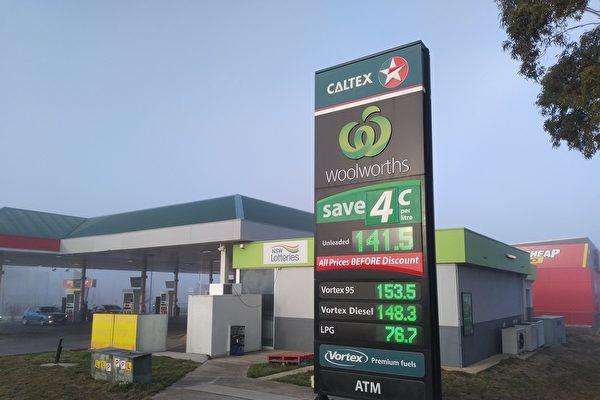
Drivers urged to fill up before fuel excise discount is reduced - Canberra, ACT
Smart summary
Australian motorists are being encouraged to fill their tanks before 1 July, when the federal government's temporary fuel excise relief will be reduced, leading to higher petrol and diesel prices across the country.
Australian motorists are being urged to take advantage of current fuel prices by filling their vehicles before the federal government's temporary fuel excise relief is reduced on 1 July, a move expected to increase petrol and diesel prices nationwide. Industry experts say while the increase will be felt almost immediately in metropolitan areas, drivers in many regional communities may not notice higher prices for up to two weeks because local service stations often take longer to sell existing fuel stocks.
The temporary fuel excise reduction was introduced earlier this year to help households and businesses manage rising fuel costs linked to global oil market disruptions. From Wednesday, the discount will be halved from 32 cents per litre to 16 cents per litre, with the reduced relief remaining in place until 2 August. After that, the excise is expected to return to its normal rate unless further government action is announced.
The National Roads and Motorists' Association (NRMA) said city motorists are likely to experience price increases first because metropolitan service stations replenish fuel stocks more frequently than regional outlets. NRMA spokesperson Peter Khoury said some regional stations could continue selling fuel purchased at lower wholesale prices for a week or even two weeks before passing on the higher excise costs.
The Victorian Automotive Chamber of Commerce has also advised motorists to refuel before the change takes effect. Chief executive Peter Jones said current fuel prices remain relatively low, making it sensible for drivers to fill up if they need fuel. He also urged customers to remain respectful toward service station employees, noting they have no control over wholesale fuel costs or government tax settings.
Current average unleaded petrol prices remain well below the peaks experienced during the Middle East conflict earlier this year. On Tuesday, average prices were about $1.54 per litre in Melbourne, $1.55 in Brisbane, and between $1.50 and $1.58 in Sydney. Analysts expect prices in some metropolitan areas to rise to around $1.70 per litre once the excise adjustment flows through, while diesel prices could approach $1.95 per litre.
The Australian Competition and Consumer Commission (ACCC) has warned fuel retailers against using the tax adjustment as an opportunity to increase prices beyond the excise change. Commissioner Anna Brakey said the watchdog will closely monitor fuel prices before and after the excise adjustment and will investigate any evidence of misleading conduct or anti-competitive behaviour.
Treasurer Jim Chalmers said extending the fuel excise relief at a reduced level would continue providing cost-of-living assistance while recognising that international oil prices have eased in recent weeks. The government says the phased reduction helps avoid a sudden jump in fuel costs while still providing temporary support to households and businesses.
With school holiday travel beginning across much of Australia, industry groups expect many families to take advantage of current fuel prices before the higher excise takes effect. While regional motorists may receive a short delay before the increases reach local service stations, experts recommend filling up sooner rather than later to avoid paying more at the bowser.
FuelPricesExciseLitreMotorists
Australian motorists are being urged to take advantage of current fuel prices by filling their vehicles before the federal government's temporary fuel excise relief is reduced on 1 July, a move expected to increase petrol and diesel prices nationwide. Industry experts say while the increase will be felt almost immediately in metropolitan areas, drivers in many regional communities may not notice higher prices for up to two weeks because local service stations often take longer to sell existing fuel stocks.
The temporary fuel excise reduction was introduced earlier this year to help households and businesses manage rising fuel costs linked to global oil market disruptions. From Wednesday, the discount will be halved from 32 cents per litre to 16 cents per litre, with the reduced relief remaining in place until 2 August. After that, the excise is expected to return to its normal rate unless further government action is announced.
The National Roads and Motorists' Association (NRMA) said city motorists are likely to experience price increases first because metropolitan service stations replenish fuel stocks more frequently than regional outlets. NRMA spokesperson Peter Khoury said some regional stations could continue selling fuel purchased at lower wholesale prices for a week or even two weeks before passing on the higher excise costs.
The Victorian Automotive Chamber of Commerce has also advised motorists to refuel before the change takes effect. Chief executive Peter Jones said current fuel prices remain relatively low, making it sensible for drivers to fill up if they need fuel. He also urged customers to remain respectful toward service station employees, noting they have no control over wholesale fuel costs or government tax settings.
Current average unleaded petrol prices remain well below the peaks experienced during the Middle East conflict earlier this year. On Tuesday, average prices were about $1.54 per litre in Melbourne, $1.55 in Brisbane, and between $1.50 and $1.58 in Sydney. Analysts expect prices in some metropolitan areas to rise to around $1.70 per litre once the excise adjustment flows through, while diesel prices could approach $1.95 per litre.
The Australian Competition and Consumer Commission (ACCC) has warned fuel retailers against using the tax adjustment as an opportunity to increase prices beyond the excise change. Commissioner Anna Brakey said the watchdog will closely monitor fuel prices before and after the excise adjustment and will investigate any evidence of misleading conduct or anti-competitive behaviour.
Treasurer Jim Chalmers said extending the fuel excise relief at a reduced level would continue providing cost-of-living assistance while recognising that international oil prices have eased in recent weeks. The government says the phased reduction helps avoid a sudden jump in fuel costs while still providing temporary support to households and businesses.
With school holiday travel beginning across much of Australia, industry groups expect many families to take advantage of current fuel prices before the higher excise takes effect. While regional motorists may receive a short delay before the increases reach local service stations, experts recommend filling up sooner rather than later to avoid paying more at the bowser.
Around 300 people walked through Morwell to remember Kaiden Morgan-Johnston one year after his death and call for safer streets across the Latrobe Valley.
A four-metre-high 3D-printed sculpture celebrating Australian children's author Andy Griffiths has gone on display at Canberra's National Portrait Gallery.
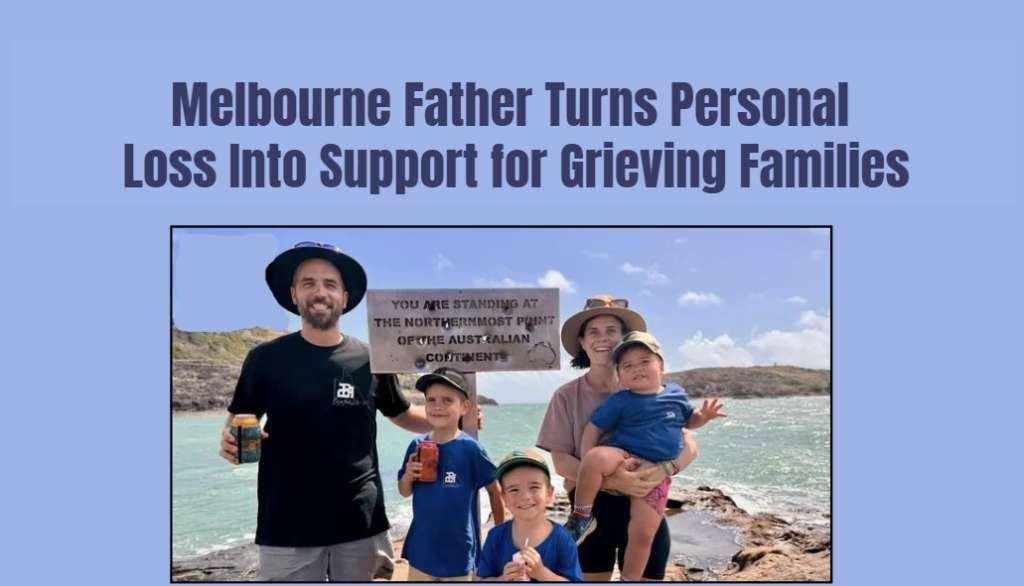
After losing two sons, Melbourne father Nick Olney has established a charity helping grieving parents preserve memories of their babies and access suppo...
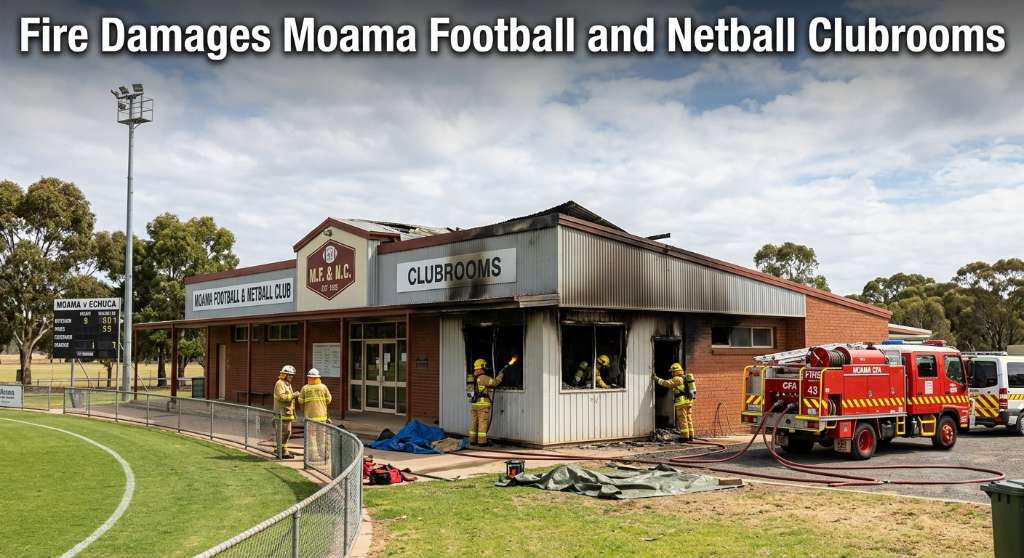
A fire damaged the Moama Football and Netball Club's social rooms during Saturday's grand final, forcing about 1,000 people to leave the building becaus...
Treasurer Jim Chalmers says the federal budget bottom line has improved by $6 billion compared with the May forecast, while the government faces pressur...
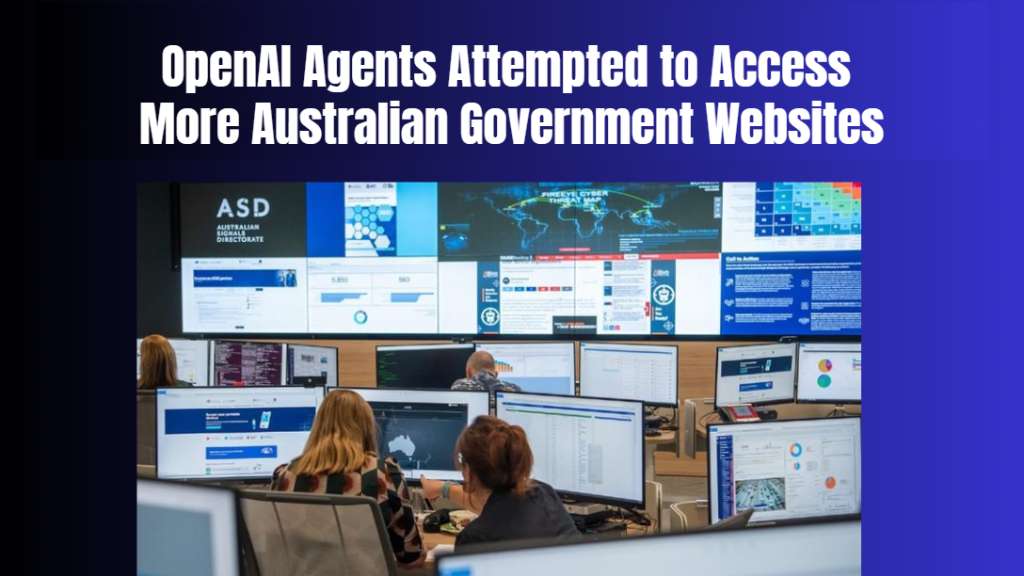
New evidence indicates autonomous Open AI agents attempted to access information from several Australian government and public-sector websites, expanding...
A four-metre-high 3D-printed sculpture celebrating Australian children's author Andy Griffiths has gone on display at Canberra's National Portrait Gallery.
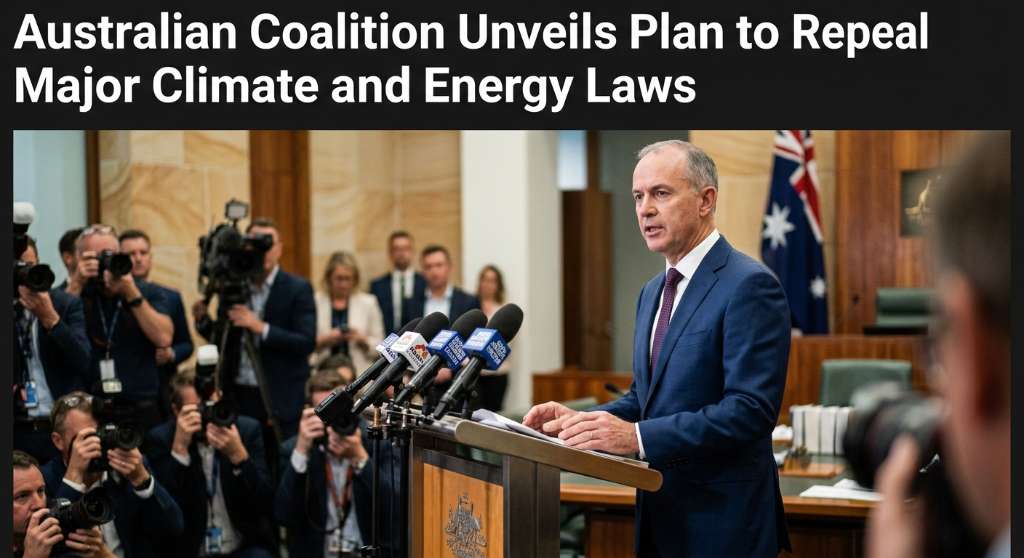
The federal Coalition has released an eight-point energy policy proposing changes to Australia's climate legislation, offshore wind zones, vehicle effic...
Treasurer Jim Chalmers says the federal budget bottom line has improved by $6 billion compared with the May forecast, while the government faces pressur...
Northern Territory Police are investigating a series of alleged aggravated burglaries in Alice Springs after up to seven homes in the Araluen area were...