Safety note: Admin approval is an initial review, not a guarantee that every detail is correct. Check important or urgent claims with official sources and report anything inaccurate or unsafe.
Source and credit: Contributor's own report
Eureka Rebellion continues to shape Victoria’s democracy, new ABC series explores - Ballarat, VIC
Smart summary
The latest episode of ABC’s How the Gold Rush Shaped Victoria examines how the 1854 Eureka Rebellion became a defining moment in Victoria’s history, influencing democratic reform while remaining a symbol interpreted i...
The fifth episode of ABC’s documentary series How the Gold Rush Shaped Victoria explores the lasting legacy of the Eureka Rebellion, one of the most significant events in Australian history and a turning point in the development of democracy in Victoria.
Presented as part of Victorian Statewide Mornings, the episode focuses on how the rebellion emerged during the Victorian gold rush and why its influence continues to be debated more than 170 years later.
The Eureka Rebellion took place in Ballarat in 1854, when gold miners protested against the colonial government's mining licence system and the way licences were enforced. Frustrated by high fees, aggressive inspections and limited political representation, miners organised protests demanding fair treatment and greater civil rights.
The episode explains that one of the most recognisable symbols to emerge from the rebellion was the Southern Cross flag, first raised above the Eureka Stockade. Under the flag, miners pledged to stand together and defend their "rights and liberties." While the uprising itself was quickly suppressed by colonial troops, it became a powerful symbol of resistance and democratic reform.
Historians featured in the program discuss how the meaning of the Southern Cross flag has evolved over time. Although many Australians associate it with freedom, fairness and unity, the flag has also been adopted by different political movements with widely differing beliefs, leading to ongoing public debate about what it represents today.
The program features commentary from heritage adviser Deb Kemp, Museums Victoria curator Matthew Churchward, and historian Associate Professor Ben Mountford, who examine how the events at Ballarat helped influence political change across the colony.
Following the Eureka uprising, several reforms were introduced, including changes to the mining licence system and expanded political representation for miners. Many historians regard these reforms as important milestones in the development of democratic institutions in Victoria and Australia.
The broader Victorian gold rush transformed the colony economically, socially and politically. Beginning in 1851, it attracted migrants from around the world, dramatically increased Victoria's population and established Melbourne as one of Australia's most prosperous cities. The wealth generated during the gold rush reshaped infrastructure, business, government and multicultural communities throughout the colony.
ABC's documentary series examines these long-term impacts across multiple episodes, covering subjects such as waterways, towns, mining, heritage and political reform. The Eureka episode highlights that the legacy of the gold rush extends far beyond gold itself, influencing Australia's identity, institutions and democratic traditions.
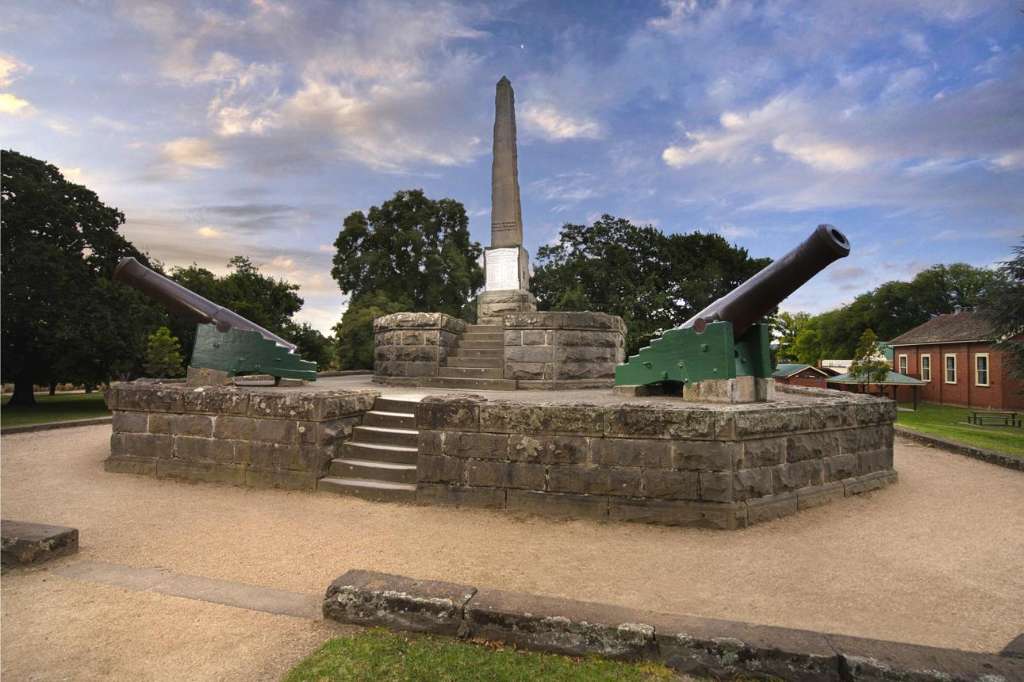
Today, the Eureka Centre and Eureka Stockade Memorial in Ballarat continue to preserve this history, attracting visitors interested in understanding one of Australia's defining historical events.
The program concludes that while interpretations of the Eureka Rebellion continue to evolve, its role in shaping Victoria's democratic journey remains an important part of Australia's historical narrative.
EurekaGoldVictoriaRebellionPolitical
The fifth episode of ABC’s documentary series How the Gold Rush Shaped Victoria explores the lasting legacy of the Eureka Rebellion, one of the most significant events in Australian history and a turning point in the development of democracy in Victoria.
Presented as part of Victorian Statewide Mornings, the episode focuses on how the rebellion emerged during the Victorian gold rush and why its influence continues to be debated more than 170 years later.
The Eureka Rebellion took place in Ballarat in 1854, when gold miners protested against the colonial government's mining licence system and the way licences were enforced. Frustrated by high fees, aggressive inspections and limited political representation, miners organised protests demanding fair treatment and greater civil rights.
The episode explains that one of the most recognisable symbols to emerge from the rebellion was the Southern Cross flag, first raised above the Eureka Stockade. Under the flag, miners pledged to stand together and defend their "rights and liberties." While the uprising itself was quickly suppressed by colonial troops, it became a powerful symbol of resistance and democratic reform.
Historians featured in the program discuss how the meaning of the Southern Cross flag has evolved over time. Although many Australians associate it with freedom, fairness and unity, the flag has also been adopted by different political movements with widely differing beliefs, leading to ongoing public debate about what it represents today.
The program features commentary from heritage adviser Deb Kemp, Museums Victoria curator Matthew Churchward, and historian Associate Professor Ben Mountford, who examine how the events at Ballarat helped influence political change across the colony.
Following the Eureka uprising, several reforms were introduced, including changes to the mining licence system and expanded political representation for miners. Many historians regard these reforms as important milestones in the development of democratic institutions in Victoria and Australia.
The broader Victorian gold rush transformed the colony economically, socially and politically. Beginning in 1851, it attracted migrants from around the world, dramatically increased Victoria's population and established Melbourne as one of Australia's most prosperous cities. The wealth generated during the gold rush reshaped infrastructure, business, government and multicultural communities throughout the colony.
ABC's documentary series examines these long-term impacts across multiple episodes, covering subjects such as waterways, towns, mining, heritage and political reform. The Eureka episode highlights that the legacy of the gold rush extends far beyond gold itself, influencing Australia's identity, institutions and democratic traditions.
Today, the Eureka Centre and Eureka Stockade Memorial in Ballarat continue to preserve this history, attracting visitors interested in understanding one of Australia's defining historical events.
The program concludes that while interpretations of the Eureka Rebellion continue to evolve, its role in shaping Victoria's democratic journey remains an important part of Australia's historical narrative.
A vehicle has crashed into a house in Albury, prompting police attendance at a residential property near the intersection of Mate and North streets. The incident was reported to...
A high-profile athlete has returned to court and told the hearing that an alleged unwanted kiss by former broadcaster Alan Jones remained difficult to f...
Work on the $150 million Sydney Town Hall Square project has been paused after the NSW Planning Minister referred the development for review by the Inde...
New workplace data shows staff absenteeism jumped sharply during the historic MCG NFL event, while Melbourne businesses also benefited from a major spen...
Cairns Regional Council has unanimously voted to seek $400,000 in Queensland Government funding for a program designed to connect local businesses with the region’s growing film...
An automated external defibrillator and memorial plaque have been installed at Ellery Creek Big Hole following the death of disability advocate Ellen Fr...
Queensland firefighters spent several hours monitoring a significant grass fire at Mary Kinross Park in Bargara, near Bundaberg, after the blaze broke out on Wednesday evening....