Firefighters demand Angus Taylor apologise over bushfire funding claims
By Neha · Published 30 Jun 2026 · Updated 30 Jun 2026
Canberra, ACT · ACT News
Safety note: Admin approval is an initial review, not a guarantee that every detail is correct. Check important or urgent claims with official sources and report anything inaccurate or unsafe.
Source and credit: Contributor's own report
Firefighters demand Angus Taylor apologise over bushfire funding claims - Canberra, ACT
Smart summary
Firefighters have called on Opposition energy spokesperson Angus Taylor to apologise after comments they say wrongly suggested the federal government had reduced bushfire preparedness funding, describing the remarks a...
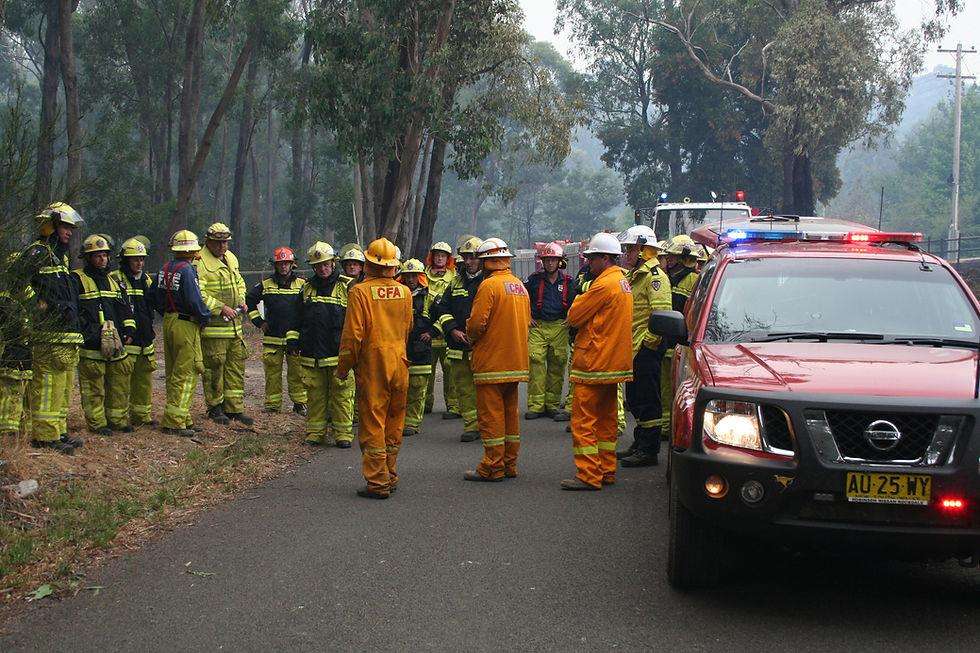
Australia's peak firefighting representatives have demanded an apology from Opposition frontbencher Angus Taylor, accusing him of making misleading claims about bushfire preparedness funding that they say undermine the work of firefighters and emergency services.
The dispute arose after Taylor criticised the federal government's management of bushfire preparedness during recent political debate, suggesting funding reductions had weakened Australia's ability to prepare for future fire seasons. His comments prompted an immediate response from firefighter organisations, which argued that the statements did not accurately reflect current funding arrangements and risked creating unnecessary public concern.
The Australasian Fire and Emergency Service Authorities Council (AFAC) and other firefighting representatives said emergency personnel work closely with governments at every level to improve bushfire preparedness and that political claims should accurately reflect operational realities. They argued that firefighters dedicate enormous effort to hazard reduction, emergency planning, training and community education, regardless of political debate.
Representatives described Taylor's comments as a "kick in the guts" for firefighters who spend months preparing communities for increasingly challenging bushfire seasons. They said emergency workers should not become the focus of political arguments and urged leaders from all parties to support evidence-based discussions on disaster preparedness.
Fire authorities noted that bushfire preparedness relies on cooperation between the Commonwealth, states, territories and local governments. Funding supports a wide range of activities, including hazard reduction programs, emergency communications, firefighting equipment, aerial firefighting resources, volunteer training and community resilience initiatives. Decisions about these programs are often shared across multiple levels of government rather than being controlled by a single agency.
The disagreement comes as Australia continues to experience increasingly complex fire seasons driven by prolonged dry conditions, high temperatures and extreme weather. Fire agencies have repeatedly warned that climate variability and expanding populations near bushland are increasing pressure on emergency services and requiring long-term investment in preparedness.
Firefighter organisations said public confidence in emergency services depends on accurate information and urged politicians to avoid statements that could undermine trust in the agencies responsible for protecting communities. They emphasised that firefighters remain focused on preparing for future emergencies rather than engaging in political disputes.
Taylor has defended his broader criticism of the government's emergency management policies, arguing that Australia should continue strengthening disaster preparedness and ensuring sufficient resources are available for frontline services. However, firefighter representatives maintain that the specific claims regarding funding require correction and have publicly called for an apology.
The debate highlights the ongoing political focus on disaster management following several severe bushfire seasons across Australia. Emergency management has become a significant policy issue, with both government and opposition parties proposing measures aimed at improving resilience, supporting volunteers and strengthening emergency response capabilities.
While political discussion over funding priorities is expected to continue, firefighting organisations say their priority remains protecting lives, property and the environment. They have urged all political leaders to work collaboratively with emergency services and rely on verified information when discussing bushfire preparedness.
As Australia prepares for future fire seasons, emergency authorities continue encouraging residents to develop bushfire survival plans, maintain their properties and stay informed through official warnings. Firefighters say strong community preparedness, combined with sustained investment in emergency services, remains the best defence against future bushfire disasters.
EmergencyBushfirePreparednessPoliticalFunding
Australia's peak firefighting representatives have demanded an apology from Opposition frontbencher Angus Taylor, accusing him of making misleading claims about bushfire preparedness funding that they say undermine the work of firefighters and emergency services.
The dispute arose after Taylor criticised the federal government's management of bushfire preparedness during recent political debate, suggesting funding reductions had weakened Australia's ability to prepare for future fire seasons. His comments prompted an immediate response from firefighter organisations, which argued that the statements did not accurately reflect current funding arrangements and risked creating unnecessary public concern.
The Australasian Fire and Emergency Service Authorities Council (AFAC) and other firefighting representatives said emergency personnel work closely with governments at every level to improve bushfire preparedness and that political claims should accurately reflect operational realities. They argued that firefighters dedicate enormous effort to hazard reduction, emergency planning, training and community education, regardless of political debate.
Representatives described Taylor's comments as a "kick in the guts" for firefighters who spend months preparing communities for increasingly challenging bushfire seasons. They said emergency workers should not become the focus of political arguments and urged leaders from all parties to support evidence-based discussions on disaster preparedness.
Fire authorities noted that bushfire preparedness relies on cooperation between the Commonwealth, states, territories and local governments. Funding supports a wide range of activities, including hazard reduction programs, emergency communications, firefighting equipment, aerial firefighting resources, volunteer training and community resilience initiatives. Decisions about these programs are often shared across multiple levels of government rather than being controlled by a single agency.
The disagreement comes as Australia continues to experience increasingly complex fire seasons driven by prolonged dry conditions, high temperatures and extreme weather. Fire agencies have repeatedly warned that climate variability and expanding populations near bushland are increasing pressure on emergency services and requiring long-term investment in preparedness.
Firefighter organisations said public confidence in emergency services depends on accurate information and urged politicians to avoid statements that could undermine trust in the agencies responsible for protecting communities. They emphasised that firefighters remain focused on preparing for future emergencies rather than engaging in political disputes.
Taylor has defended his broader criticism of the government's emergency management policies, arguing that Australia should continue strengthening disaster preparedness and ensuring sufficient resources are available for frontline services. However, firefighter representatives maintain that the specific claims regarding funding require correction and have publicly called for an apology.
The debate highlights the ongoing political focus on disaster management following several severe bushfire seasons across Australia. Emergency management has become a significant policy issue, with both government and opposition parties proposing measures aimed at improving resilience, supporting volunteers and strengthening emergency response capabilities.
While political discussion over funding priorities is expected to continue, firefighting organisations say their priority remains protecting lives, property and the environment. They have urged all political leaders to work collaboratively with emergency services and rely on verified information when discussing bushfire preparedness.
As Australia prepares for future fire seasons, emergency authorities continue encouraging residents to develop bushfire survival plans, maintain their properties and stay informed through official warnings. Firefighters say strong community preparedness, combined with sustained investment in emergency services, remains the best defence against future bushfire disasters.
Treasurer Jim Chalmers says the federal budget bottom line has improved by $6 billion compared with the May forecast, while the government faces pressur...
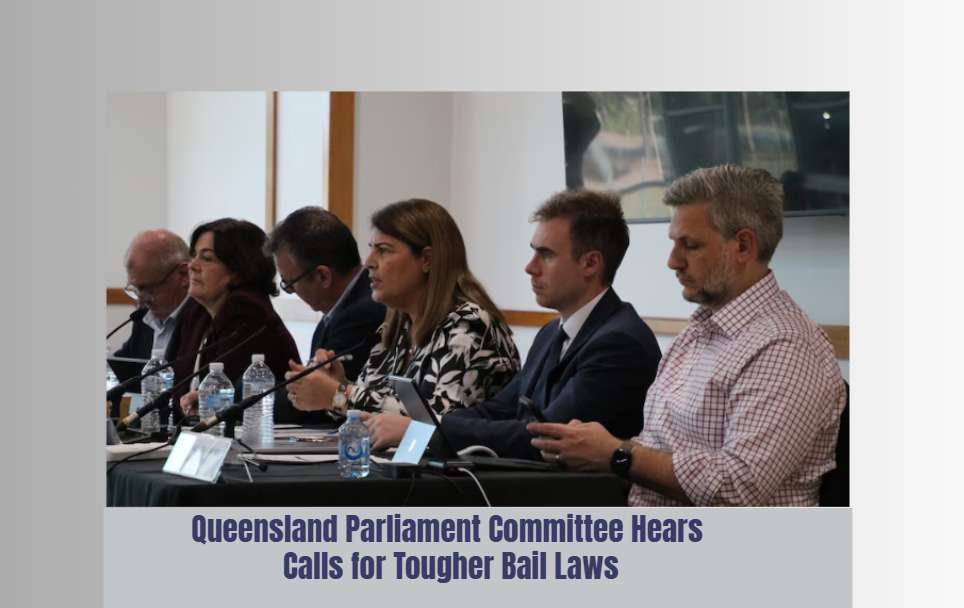
A Queensland parliamentary committee has completed regional hearings on proposed tougher bail laws, hearing from crime victims, legal experts and commun...
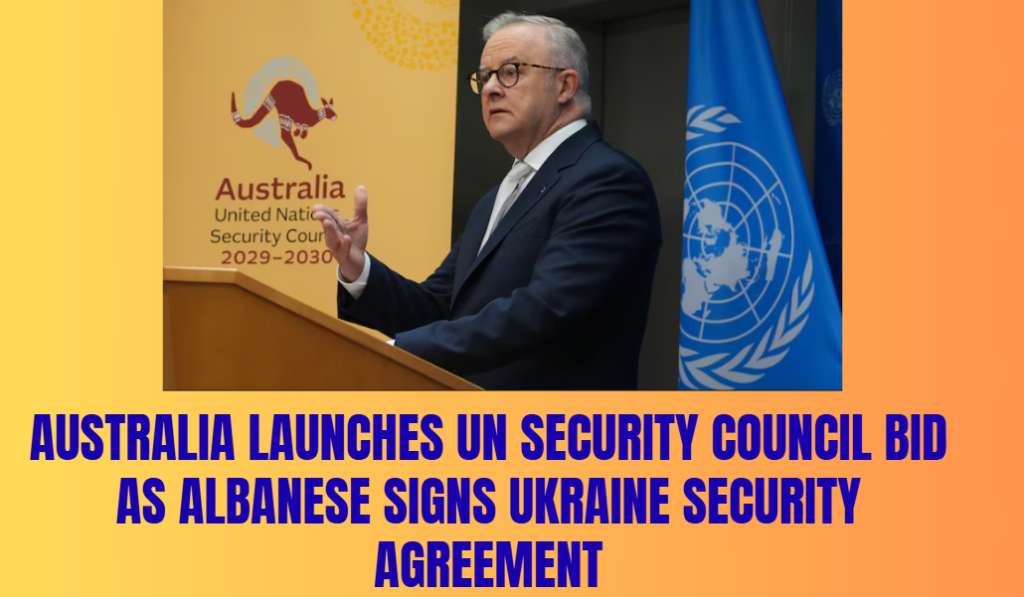
Prime Minister Anthony Albanese has launched Australia's campaign for a two-year seat on the United Nations Security Council while signing a decade-long...
The federal Coalition has released an eight-point energy policy proposing changes to Australia's climate legislation, offshore wind zones, vehicle effic...
Treasurer Jim Chalmers says the federal budget bottom line has improved by $6 billion compared with the May forecast, while the government faces pressur...
New evidence indicates autonomous Open AI agents attempted to access information from several Australian government and public-sector websites, expanding...
A four-metre-high 3D-printed sculpture celebrating Australian children's author Andy Griffiths has gone on display at Canberra's National Portrait Gallery.
The federal Coalition has released an eight-point energy policy proposing changes to Australia's climate legislation, offshore wind zones, vehicle effic...
Treasurer Jim Chalmers says the federal budget bottom line has improved by $6 billion compared with the May forecast, while the government faces pressur...
Northern Territory Police are investigating a series of alleged aggravated burglaries in Alice Springs after up to seven homes in the Araluen area were...