Safety note: Admin approval is an initial review, not a guarantee that every detail is correct. Check important or urgent claims with official sources and report anything inaccurate or unsafe.
Source and credit: Contributor's own report
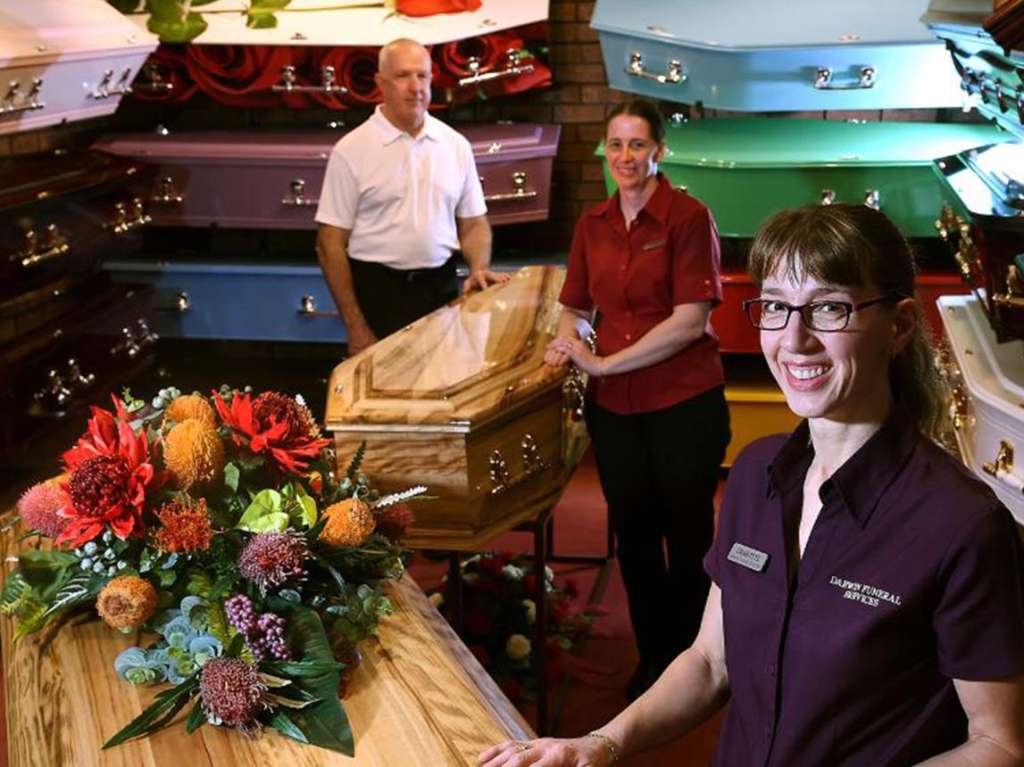
Funeral Director in Darwin Shares the Stories, Traditions and Emotions Behind Saying Goodbye - Darwin, NT
Smart summary
A Northern Territory funeral director reflects on the important role of helping families through grief, honouring loved ones and creating meaningful farewell ceremonies.
A Darwin funeral director has shared insights into the emotional and deeply personal work involved in helping families say goodbye to their loved ones. The role of a funeral director extends far beyond organising ceremonies, involving compassion, cultural understanding and support for people during some of the most difficult moments of their lives.
Working in the funeral industry requires sensitivity and patience, as every family has different traditions, beliefs and wishes when it comes to remembering someone who has passed away. Funeral directors help guide families through arrangements, paperwork, ceremonies and personal tributes while ensuring each farewell reflects the life and values of the person being honoured.
In Darwin and across the Northern Territory, funeral services often involve a mix of cultural traditions, including Indigenous customs, religious practices and personal family choices. Funeral directors play an important role in bringing these elements together and creating respectful ceremonies that recognise the importance of family, community and connection.
The profession can be emotionally challenging because funeral directors regularly meet people during times of grief and loss. However, many describe the work as meaningful because they are able to provide comfort, practical assistance and a sense of support when families need it most.
A funeral director’s responsibilities can include arranging burial or cremation services, coordinating venues, preparing memorial materials, assisting with transport arrangements and working with families to create personalised tributes. Local funeral providers in Darwin also support families with planning services that reflect cultural and personal preferences.
The funeral industry has changed over time, with families increasingly choosing personalised ceremonies that celebrate a person’s life story. Instead of traditional services alone, many families now include photographs, music, videos, cultural ceremonies and unique personal touches that represent the individual.
For funeral directors, listening is one of the most important parts of the job. Understanding a family’s memories, traditions and wishes allows them to create a service that feels meaningful and respectful.
In the Northern Territory, where communities are closely connected, funerals can also become important gatherings where families and friends come together to share stories, provide support and celebrate the life of someone who has passed away.
The work also requires strong organisational skills, as funeral directors must manage many practical details while supporting families emotionally. They often coordinate with hospitals, cemeteries, religious leaders, government authorities and other service providers to ensure everything runs smoothly.
The story of a funeral director highlights a profession that is often unseen but plays a vital role in communities. Behind every funeral service is careful planning, compassion and a commitment to helping people navigate loss.
Through their work, funeral directors provide more than a service — they help preserve memories, honour lives and create moments where families can begin the process of healing.
FuneralFamiliesDirectorsCeremoniesDirector
A Darwin funeral director has shared insights into the emotional and deeply personal work involved in helping families say goodbye to their loved ones. The role of a funeral director extends far beyond organising ceremonies, involving compassion, cultural understanding and support for people during some of the most difficult moments of their lives.
Working in the funeral industry requires sensitivity and patience, as every family has different traditions, beliefs and wishes when it comes to remembering someone who has passed away. Funeral directors help guide families through arrangements, paperwork, ceremonies and personal tributes while ensuring each farewell reflects the life and values of the person being honoured.
In Darwin and across the Northern Territory, funeral services often involve a mix of cultural traditions, including Indigenous customs, religious practices and personal family choices. Funeral directors play an important role in bringing these elements together and creating respectful ceremonies that recognise the importance of family, community and connection.
The profession can be emotionally challenging because funeral directors regularly meet people during times of grief and loss. However, many describe the work as meaningful because they are able to provide comfort, practical assistance and a sense of support when families need it most.
A funeral director’s responsibilities can include arranging burial or cremation services, coordinating venues, preparing memorial materials, assisting with transport arrangements and working with families to create personalised tributes. Local funeral providers in Darwin also support families with planning services that reflect cultural and personal preferences.
The funeral industry has changed over time, with families increasingly choosing personalised ceremonies that celebrate a person’s life story. Instead of traditional services alone, many families now include photographs, music, videos, cultural ceremonies and unique personal touches that represent the individual.
For funeral directors, listening is one of the most important parts of the job. Understanding a family’s memories, traditions and wishes allows them to create a service that feels meaningful and respectful.
In the Northern Territory, where communities are closely connected, funerals can also become important gatherings where families and friends come together to share stories, provide support and celebrate the life of someone who has passed away.
The work also requires strong organisational skills, as funeral directors must manage many practical details while supporting families emotionally. They often coordinate with hospitals, cemeteries, religious leaders, government authorities and other service providers to ensure everything runs smoothly.
The story of a funeral director highlights a profession that is often unseen but plays a vital role in communities. Behind every funeral service is careful planning, compassion and a commitment to helping people navigate loss.
Through their work, funeral directors provide more than a service — they help preserve memories, honour lives and create moments where families can begin the process of healing.
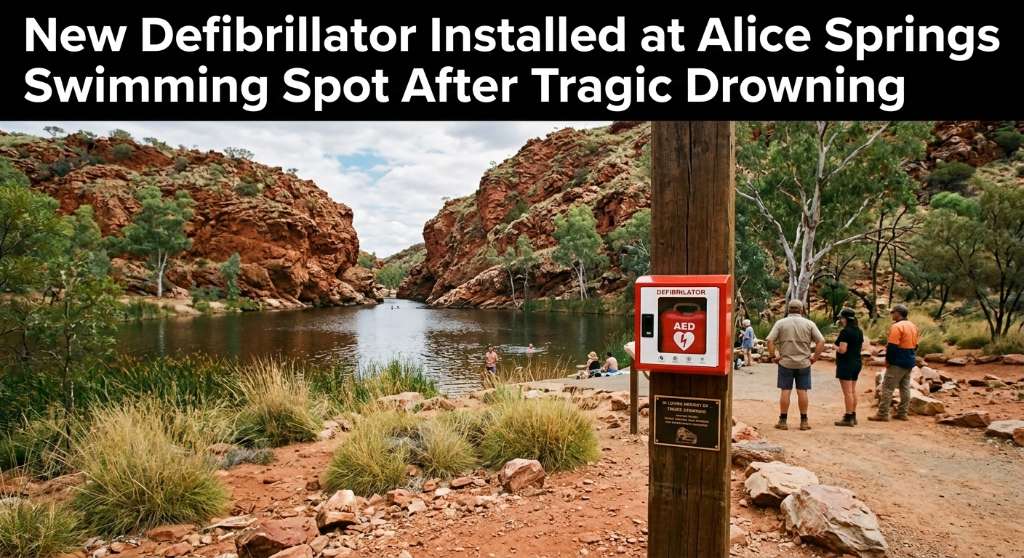
An automated external defibrillator and memorial plaque have been installed at Ellery Creek Big Hole following the death of disability advocate Ellen Fr...
Bathurst New South Wales · Community News · 17 Sep 2026
Kerry “Pecky” Peck, a long-standing Bathurst radio personality, has been inducted into the Bathurst Business Hall of Fame in recognition of his extensive contribution to the loc...
A new specialist family-violence support model has been introduced in Ballarat, with dedicated workers now embedded alongside Victoria Police to help people experiencing family...
Orange New South Wales · Community News · 17 Sep 2026
Orange City Council has elected a new Deputy Mayor for the next two years, with the decision announced today, 17 September 2026. The council said the election took place during...
An automated external defibrillator and memorial plaque have been installed at Ellery Creek Big Hole following the death of disability advocate Ellen Fr...
Paramedics responding to an emergency in Alice Springs were forced to use a stretcher as a barricade after an armed and allegedly intoxicated group beca...
Cairns Regional Council has unanimously voted to seek $400,000 in Queensland Government funding for a program designed to connect local businesses with the region’s growing film...
An automated external defibrillator and memorial plaque have been installed at Ellery Creek Big Hole following the death of disability advocate Ellen Fr...
Queensland firefighters spent several hours monitoring a significant grass fire at Mary Kinross Park in Bargara, near Bundaberg, after the blaze broke out on Wednesday evening....