Geelong’s 167-Year-Old Ginkgo Tree Wins Victorian Tree of the Year
By Chloe · Published 28 Oct 2026 · Updated 28 Oct 2026
Geelong, VIC · Victoria News
Safety note: Admin approval is an initial review, not a guarantee that every detail is correct. Check important or urgent claims with official sources and report anything inaccurate or unsafe.
Source and credit: Contributor's own report
Geelong’s 167-Year-Old Ginkgo Tree Wins Victorian Tree of the Year - Geelong, VIC
Smart summary
A historic ginkgo in Geelong Botanic Gardens has won the public vote, drawing attention to the value of protecting significant trees for future generations.
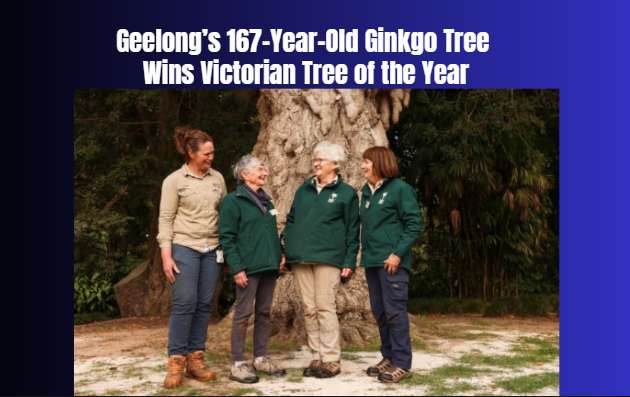
A 167-year-old ginkgo biloba tree in Geelong Botanic Gardens has been named Victoria’s Tree of the Year, celebrating a living landmark that has stood through generations of change. The National Trust of Australia runs the annual competition, which recognises trees with historical, cultural and natural significance.
The tree was planted in 1859, according to local legend, after its seed was brought to Geelong by a ship’s captain. At the time, Victoria was still in its early colonial period, the gold rushes were attracting people to the region, and the Melbourne Cup had yet to be held. More than a century and a half later, the tree has become a distinctive feature of the botanic gardens and a familiar backdrop for photographs and special occasions.
Standing approximately 20 metres tall, the Geelong ginkgo is reported to be the largest of its kind in Victoria and potentially the largest in Australia. It belongs to an ancient group of plants whose lineage dates back to the age of dinosaurs. Ginkgo trees are sometimes described as living fossils because their distinctive form has changed relatively little over a very long evolutionary history.
The tree also has unusual features that make it stand out from many other garden specimens. Woody growths extend from its trunk and branches, resembling stalactites. These structures are more commonly associated with much older ginkgo trees. Its fan-shaped leaves have inspired artists, while the foliage turns a rich golden yellow in autumn, creating a striking seasonal display.
The competition attracted 4,435 votes across the shortlisted trees. The Geelong ginkgo received 27 per cent of the votes, placing it ahead of other finalists, including a Smooth Bark Apple Myrtle in Prahran and a myrtle beech at Maits Rest near Apollo Bay. The result reflects the public’s appreciation of a tree that combines botanical interest with a strong connection to local history.
The tree is also notable because it is female and produces fruit with a strong smell when it develops. While some people find the scent unpleasant, this characteristic is part of the species’ natural biology and does not diminish the tree’s significance.
The National Trust of Victoria has maintained a register of significant trees for 44 years. Its aim is to identify and encourage the protection of trees that contribute to the natural and cultural heritage of communities. The organisation wants significant trees on its register and local government registers to receive stronger statutory protection, similar to the safeguards available for historic buildings.
The recognition highlights the importance of preserving mature trees in public spaces. Older trees provide shade, support urban biodiversity and create green places for recreation and community gatherings. They also carry stories of earlier generations and give residents a tangible connection to the past.
The Geelong ginkgo’s award brings renewed attention to the role of councils, conservation organisations and local communities in caring for important trees. Its survival for 167 years demonstrates the value of long-term stewardship and the importance of ensuring that future generations can continue to enjoy Victoria’s natural landmarks.
TreeTreesGinkgoGeelongVictoria
A 167-year-old ginkgo biloba tree in Geelong Botanic Gardens has been named Victoria’s Tree of the Year, celebrating a living landmark that has stood through generations of change. The National Trust of Australia runs the annual competition, which recognises trees with historical, cultural and natural significance.
The tree was planted in 1859, according to local legend, after its seed was brought to Geelong by a ship’s captain. At the time, Victoria was still in its early colonial period, the gold rushes were attracting people to the region, and the Melbourne Cup had yet to be held. More than a century and a half later, the tree has become a distinctive feature of the botanic gardens and a familiar backdrop for photographs and special occasions.
Standing approximately 20 metres tall, the Geelong ginkgo is reported to be the largest of its kind in Victoria and potentially the largest in Australia. It belongs to an ancient group of plants whose lineage dates back to the age of dinosaurs. Ginkgo trees are sometimes described as living fossils because their distinctive form has changed relatively little over a very long evolutionary history.
The tree also has unusual features that make it stand out from many other garden specimens. Woody growths extend from its trunk and branches, resembling stalactites. These structures are more commonly associated with much older ginkgo trees. Its fan-shaped leaves have inspired artists, while the foliage turns a rich golden yellow in autumn, creating a striking seasonal display.
The competition attracted 4,435 votes across the shortlisted trees. The Geelong ginkgo received 27 per cent of the votes, placing it ahead of other finalists, including a Smooth Bark Apple Myrtle in Prahran and a myrtle beech at Maits Rest near Apollo Bay. The result reflects the public’s appreciation of a tree that combines botanical interest with a strong connection to local history.
The tree is also notable because it is female and produces fruit with a strong smell when it develops. While some people find the scent unpleasant, this characteristic is part of the species’ natural biology and does not diminish the tree’s significance.
The National Trust of Victoria has maintained a register of significant trees for 44 years. Its aim is to identify and encourage the protection of trees that contribute to the natural and cultural heritage of communities. The organisation wants significant trees on its register and local government registers to receive stronger statutory protection, similar to the safeguards available for historic buildings.
The recognition highlights the importance of preserving mature trees in public spaces. Older trees provide shade, support urban biodiversity and create green places for recreation and community gatherings. They also carry stories of earlier generations and give residents a tangible connection to the past.
The Geelong ginkgo’s award brings renewed attention to the role of councils, conservation organisations and local communities in caring for important trees. Its survival for 167 years demonstrates the value of long-term stewardship and the importance of ensuring that future generations can continue to enjoy Victoria’s natural landmarks.
A fisherman escaped unharmed after a large crocodile climbed onto his boat while he was fishing alone on the Mary River, prompting renewed safety warnin...
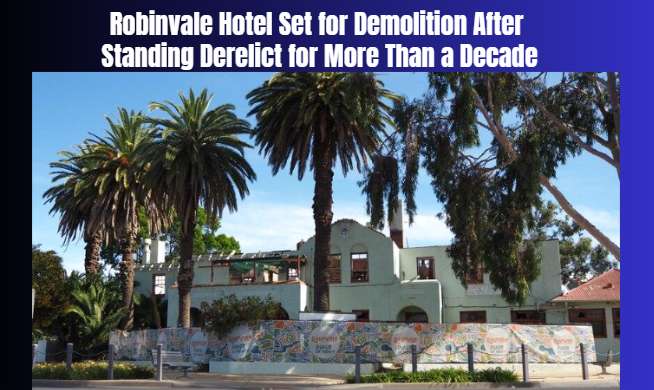
Swan Hill Rural City Council will demolish the historic Robinvale Hotel after an independent engineering assessment found the fire-damaged building unsafe.
A bill to prohibit conversion practices has passed Tasmania’s lower house, marking a significant step in the state’s debate over protections for LGBTQIA...
Victorian Police have arrested eight people following an alleged group assault involving an off-duty police officer, prompting a criminal investigation.
A pay dispute involving specialist electricity-market workers has escalated, with Australia's energy operator warning that industrial action could creat...
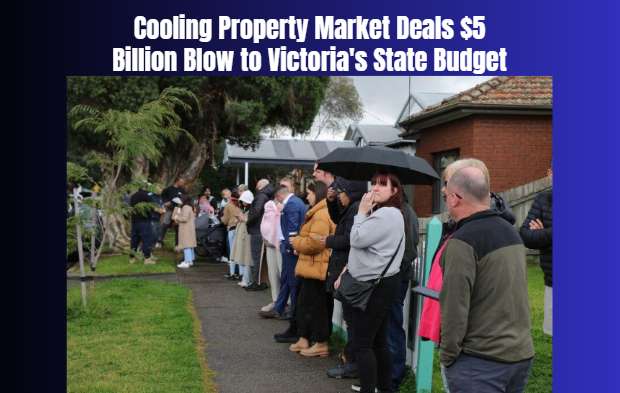
Falling property activity and weaker stamp duty and land tax collections are expected to reduce Victoria's projected revenue by around $5 billion over t...
A psychiatric report presented to South Australia's Supreme Court has raised questions about Tamika Chesser's mental competence in the case involving th...
A freedom of information request has revealed that Gold Coast Council does not hold a copy of the invoice for Mayor Tom Tate's three-day stay at Donald...