Safety note: Admin approval is an initial review, not a guarantee that every detail is correct. Check important or urgent claims with official sources and report anything inaccurate or unsafe.
Source and credit: Contributor's own report
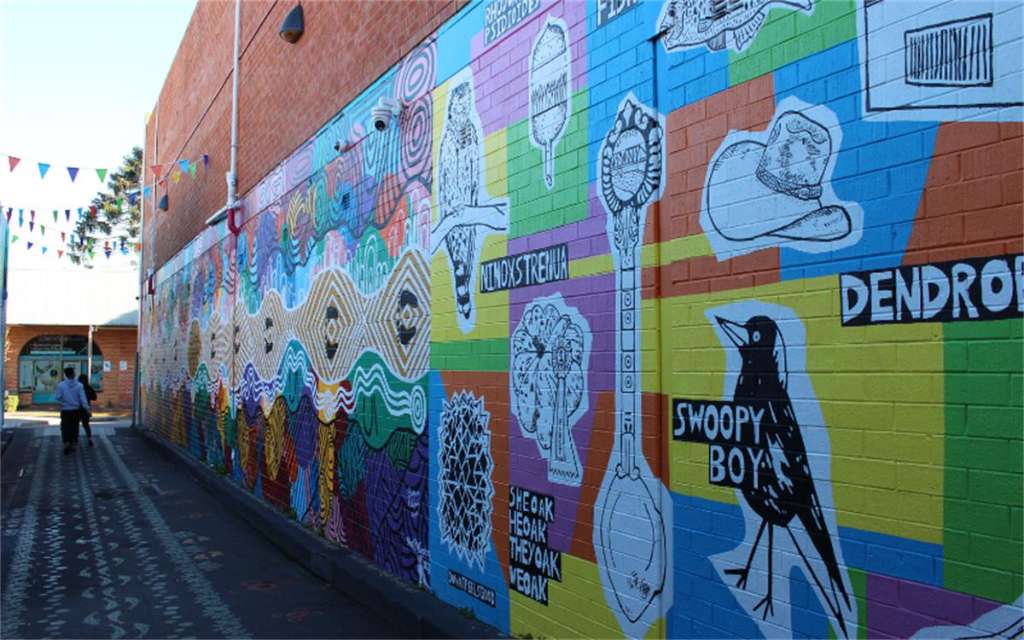
Graffiti Artist James Moulton Fined Over “Stop Eating Children” Tags Across Port Macquarie - Port Macquarie, NSW
Smart summary
A Port Macquarie graffiti artist has been fined after painting controversial “Stop Eating Children” messages across public spaces, with authorities describing the work as illegal vandalism.
A graffiti artist from Port Macquarie, New South Wales, has been fined after creating a series of controversial tags featuring the phrase “Stop Eating Children” across locations in the region.
James Moulton appeared in court over the graffiti offences, where he faced penalties for illegally marking public property. The case has attracted attention because of the unusual nature of the messages and the debate surrounding the difference between street art and unlawful graffiti.
Authorities said the graffiti caused damage to public infrastructure and required removal efforts. Graffiti offences can result in significant costs for councils and property owners, who are often responsible for cleaning and repairing affected areas.
The incident has sparked discussion within the community about the impact of graffiti, particularly when messages are placed on public buildings, signs and other shared spaces without permission.
Supporters of street art argue that creative expression can play an important role in communities, while critics say unauthorised graffiti creates financial costs for ratepayers and can affect the appearance and safety of public areas.
Local councils across Australia regularly spend significant amounts of money removing illegal graffiti. They encourage residents to report vandalism and support programs that promote approved public art projects.
Court proceedings considered the seriousness of the graffiti activity, the locations affected and the impact on the community. The penalty imposed reflects the legal consequences associated with damaging or defacing property.
Graffiti laws in New South Wales prohibit marking property without permission, with offenders potentially facing fines, criminal charges and orders to repair damage.
The case involving Moulton highlights ongoing challenges faced by regional communities in managing graffiti while balancing discussions about artistic freedom and public spaces.
Community leaders have previously encouraged young artists to use legal platforms, such as approved mural projects and council-supported art programs, where creative work can be displayed without damaging public property.
The phrase used in the graffiti attracted particular attention because of its unusual and provocative wording. Authorities said regardless of the message or intention behind graffiti, creating marks on property without approval remains an offence.
The case comes amid broader national conversations about graffiti culture, including debates over whether some forms of street art should be preserved while other illegal tagging should be removed.
In recent years, cities including Melbourne have also faced major graffiti controversies involving high-profile tags on landmarks and infrastructure. Police and councils have continued to emphasise that dangerous or illegal graffiti activity can create safety risks and significant repair costs.
For communities such as Port Macquarie, maintaining clean public spaces remains a priority, with authorities urging residents to respect shared areas and report vandalism when it occurs.
GraffitiPropertyWithoutAcrossAreas
A graffiti artist from Port Macquarie, New South Wales, has been fined after creating a series of controversial tags featuring the phrase “Stop Eating Children” across locations in the region.
James Moulton appeared in court over the graffiti offences, where he faced penalties for illegally marking public property. The case has attracted attention because of the unusual nature of the messages and the debate surrounding the difference between street art and unlawful graffiti.
Authorities said the graffiti caused damage to public infrastructure and required removal efforts. Graffiti offences can result in significant costs for councils and property owners, who are often responsible for cleaning and repairing affected areas.
The incident has sparked discussion within the community about the impact of graffiti, particularly when messages are placed on public buildings, signs and other shared spaces without permission.
Supporters of street art argue that creative expression can play an important role in communities, while critics say unauthorised graffiti creates financial costs for ratepayers and can affect the appearance and safety of public areas.
Local councils across Australia regularly spend significant amounts of money removing illegal graffiti. They encourage residents to report vandalism and support programs that promote approved public art projects.
Court proceedings considered the seriousness of the graffiti activity, the locations affected and the impact on the community. The penalty imposed reflects the legal consequences associated with damaging or defacing property.
Graffiti laws in New South Wales prohibit marking property without permission, with offenders potentially facing fines, criminal charges and orders to repair damage.
The case involving Moulton highlights ongoing challenges faced by regional communities in managing graffiti while balancing discussions about artistic freedom and public spaces.
Community leaders have previously encouraged young artists to use legal platforms, such as approved mural projects and council-supported art programs, where creative work can be displayed without damaging public property.
The phrase used in the graffiti attracted particular attention because of its unusual and provocative wording. Authorities said regardless of the message or intention behind graffiti, creating marks on property without approval remains an offence.
The case comes amid broader national conversations about graffiti culture, including debates over whether some forms of street art should be preserved while other illegal tagging should be removed.
In recent years, cities including Melbourne have also faced major graffiti controversies involving high-profile tags on landmarks and infrastructure. Police and councils have continued to emphasise that dangerous or illegal graffiti activity can create safety risks and significant repair costs.
For communities such as Port Macquarie, maintaining clean public spaces remains a priority, with authorities urging residents to respect shared areas and report vandalism when it occurs.
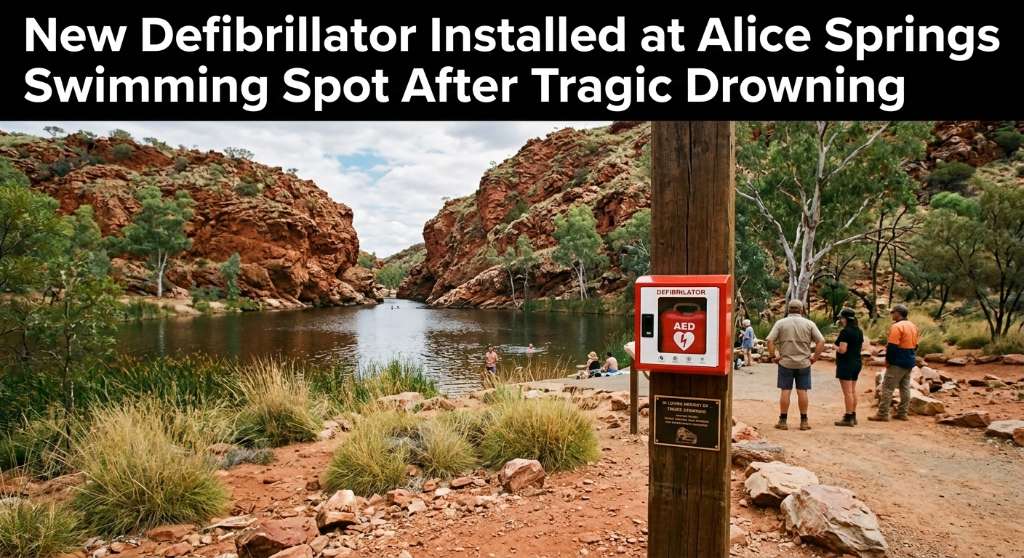
An automated external defibrillator and memorial plaque have been installed at Ellery Creek Big Hole following the death of disability advocate Ellen Fr...
Bathurst New South Wales · Community News · 17 Sep 2026
Kerry “Pecky” Peck, a long-standing Bathurst radio personality, has been inducted into the Bathurst Business Hall of Fame in recognition of his extensive contribution to the loc...
A new specialist family-violence support model has been introduced in Ballarat, with dedicated workers now embedded alongside Victoria Police to help people experiencing family...
Orange New South Wales · Community News · 17 Sep 2026
Orange City Council has elected a new Deputy Mayor for the next two years, with the decision announced today, 17 September 2026. The council said the election took place during...
A 36-year-old man has been charged after investigators allegedly found fraudulent identification documents, cloned number plates, cash and drug-manufact...
A Sydney court has heard that a man sent 249 messages to a former partner within 24 hours, with the messages treated as a single alleged breach of an ap...
A high-profile athlete has returned to court and told the hearing that an alleged unwanted kiss by former broadcaster Alan Jones remained difficult to f...
Work on the $150 million Sydney Town Hall Square project has been paused after the NSW Planning Minister referred the development for review by the Inde...
Cairns Regional Council has unanimously voted to seek $400,000 in Queensland Government funding for a program designed to connect local businesses with the region’s growing film...
An automated external defibrillator and memorial plaque have been installed at Ellery Creek Big Hole following the death of disability advocate Ellen Fr...
Queensland firefighters spent several hours monitoring a significant grass fire at Mary Kinross Park in Bargara, near Bundaberg, after the blaze broke out on Wednesday evening....