Health Education Program Reaches More Than 700 Aged Care Workers in Victoria
By Chloe · Published 22 Oct 2026 · Updated 22 Oct 2026
Melbourne, VIC · Victoria News
Safety note: Admin approval is an initial review, not a guarantee that every detail is correct. Check important or urgent claims with official sources and report anything inaccurate or unsafe.
Source and credit: Contributor's own report
Health Education Program Reaches More Than 700 Aged Care Workers in Victoria - Melbourne, VIC
Smart summary
A partnership is helping aged care employees access women’s health information in their preferred languages, with reported improvements in confidence around cancer screening and mental health support.
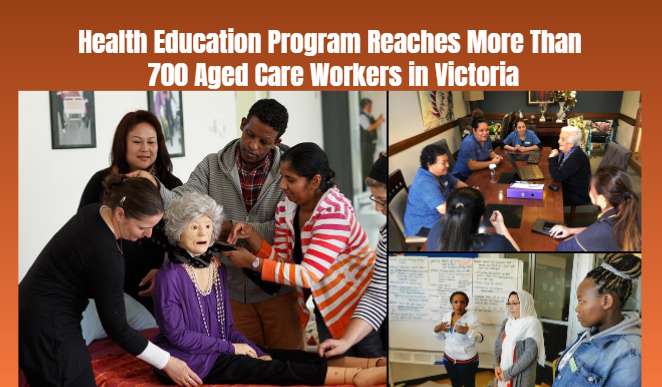
A culturally responsive health education program supporting aged care workers from migrant and refugee backgrounds has expanded across Victoria, reaching more than 700 employees. The initiative is a partnership between VMCH and the Multicultural Centre for Women’s Health (MCWH), which provides health education tailored to women from culturally and linguistically diverse communities. The program was featured in an industry report published on 22 October 2026.
The initiative recognises that aged care workers can face barriers when accessing health information, including language differences, cultural stigma, limited time and difficulty discussing sensitive subjects in conventional healthcare settings. By delivering sessions in familiar workplaces and participants’ preferred languages, organisers aim to make essential information easier to understand and use. Seven sessions covering women's health The program consists of seven weekly sessions covering menopause and perimenopause, breast and cervical cancer screening, sexual and reproductive health, mental wellbeing, healthy relationships and family violence.
The sessions are delivered by trained bilingual health educators who combine health knowledge with cultural understanding and lived experience. This approach is intended to create a comfortable environment where participants can discuss sensitive topics without feeling judged.
The program began as a pilot in 2024 at two residential aged care homes. Following positive feedback and strong interest, it expanded to additional facilities in metropolitan Melbourne and regional Victoria. By 2026, the initiative had reached more than half of VMCH’s residential aged care homes, with plans to extend the model into disability services and home-based aged care.
Reported improvements in confidence The program's evaluation reported that 96 per cent of participants felt more confident about cancer screening, while 98 per cent said they were more likely to seek mental health support.
These findings suggest that accessible, culturally appropriate education can help employees feel better equipped to make informed decisions about their health. The figures describe reported confidence and intentions, however, and do not by themselves establish changes in screening rates, diagnoses or long-term health outcomes.
The program also gives staff an opportunity to learn about health concerns that may otherwise be difficult to raise at work. By scheduling sessions during the working day and at participating facilities, organisers reduce the need for employees to travel or arrange separate appointments simply to access educational support. Addressing barriers in the workplace Women make up more than 80 per cent of VMCH’s workforce, according to the report. Employees represent a wide range of cultural and linguistic backgrounds, making a single-language approach to workplace wellbeing less effective for some staff.
The partnership was shaped by consultations with employees in early 2024. Workers were asked which health subjects they wanted to learn about and which languages would make the information most accessible. The resulting program was designed around those expressed needs rather than a generic workplace wellbeing model.
The approach also acknowledges that cultural expectations and stigma can influence whether people discuss menopause, reproductive health, mental health or family violence. Providing information in a familiar setting and through educators who understand participants’ backgrounds may help make those conversations easier. Wider significance for aged care The initiative has received recognition in the 2026 Future of Ageing Awards, winning the People and Culture category. Its development offers an example of how aged care organisations can support their employees’ wellbeing alongside their professional responsibilities.
The partnership combines MCWH’s specialist community health expertise with VMCH’s workplace facilities and staff coordination. This arrangement helps make the program practical to deliver and potentially adaptable for other providers.
As the aged care sector continues to rely on a culturally diverse workforce, initiatives that improve access to understandable health information may contribute to more inclusive workplaces. The program’s longer-term value will depend on continued participation, sustained funding and further evaluation of whether improved knowledge and confidence translate into lasting health benefits.
HealthProgramAgedCareEmployees
A culturally responsive health education program supporting aged care workers from migrant and refugee backgrounds has expanded across Victoria, reaching more than 700 employees. The initiative is a partnership between VMCH and the Multicultural Centre for Women’s Health (MCWH), which provides health education tailored to women from culturally and linguistically diverse communities. The program was featured in an industry report published on 22 October 2026.
The initiative recognises that aged care workers can face barriers when accessing health information, including language differences, cultural stigma, limited time and difficulty discussing sensitive subjects in conventional healthcare settings. By delivering sessions in familiar workplaces and participants’ preferred languages, organisers aim to make essential information easier to understand and use. Seven sessions covering women's health The program consists of seven weekly sessions covering menopause and perimenopause, breast and cervical cancer screening, sexual and reproductive health, mental wellbeing, healthy relationships and family violence.
The sessions are delivered by trained bilingual health educators who combine health knowledge with cultural understanding and lived experience. This approach is intended to create a comfortable environment where participants can discuss sensitive topics without feeling judged.
The program began as a pilot in 2024 at two residential aged care homes. Following positive feedback and strong interest, it expanded to additional facilities in metropolitan Melbourne and regional Victoria. By 2026, the initiative had reached more than half of VMCH’s residential aged care homes, with plans to extend the model into disability services and home-based aged care.
Reported improvements in confidence The program's evaluation reported that 96 per cent of participants felt more confident about cancer screening, while 98 per cent said they were more likely to seek mental health support.
These findings suggest that accessible, culturally appropriate education can help employees feel better equipped to make informed decisions about their health. The figures describe reported confidence and intentions, however, and do not by themselves establish changes in screening rates, diagnoses or long-term health outcomes.
The program also gives staff an opportunity to learn about health concerns that may otherwise be difficult to raise at work. By scheduling sessions during the working day and at participating facilities, organisers reduce the need for employees to travel or arrange separate appointments simply to access educational support. Addressing barriers in the workplace Women make up more than 80 per cent of VMCH’s workforce, according to the report. Employees represent a wide range of cultural and linguistic backgrounds, making a single-language approach to workplace wellbeing less effective for some staff.
The partnership was shaped by consultations with employees in early 2024. Workers were asked which health subjects they wanted to learn about and which languages would make the information most accessible. The resulting program was designed around those expressed needs rather than a generic workplace wellbeing model.
The approach also acknowledges that cultural expectations and stigma can influence whether people discuss menopause, reproductive health, mental health or family violence. Providing information in a familiar setting and through educators who understand participants’ backgrounds may help make those conversations easier. Wider significance for aged care The initiative has received recognition in the 2026 Future of Ageing Awards, winning the People and Culture category. Its development offers an example of how aged care organisations can support their employees’ wellbeing alongside their professional responsibilities.
The partnership combines MCWH’s specialist community health expertise with VMCH’s workplace facilities and staff coordination. This arrangement helps make the program practical to deliver and potentially adaptable for other providers.
As the aged care sector continues to rely on a culturally diverse workforce, initiatives that improve access to understandable health information may contribute to more inclusive workplaces. The program’s longer-term value will depend on continued participation, sustained funding and further evaluation of whether improved knowledge and confidence translate into lasting health benefits.
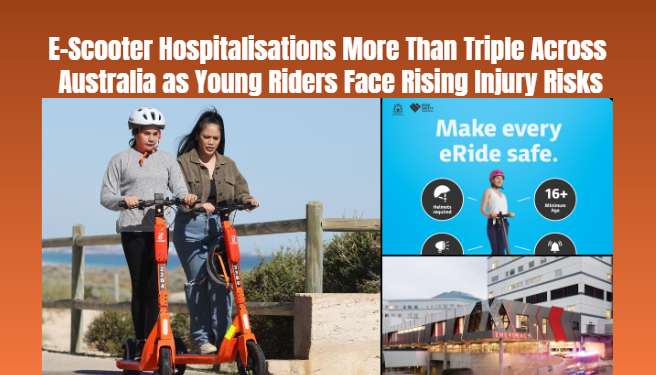
A new report from the Australian Institute of Health and Welfare reveals a sharp rise in hospital admissions involving electric scooters and other power...
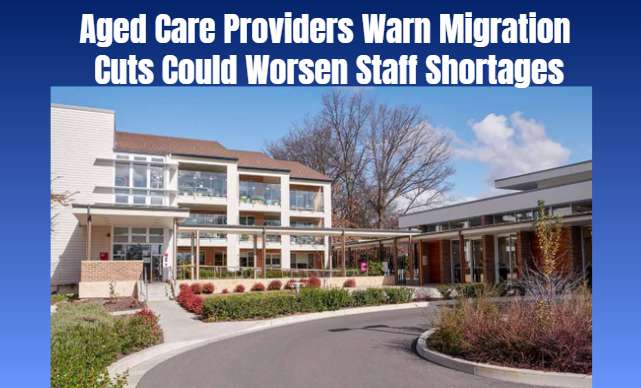
Regional aged-care providers warn that changes to migration pathways could make it harder to recruit and retain workers, putting additional pressure on...
New South Wales health authorities have warned about the risks of unapproved peptide products after monthly emergency department presentations linked to...
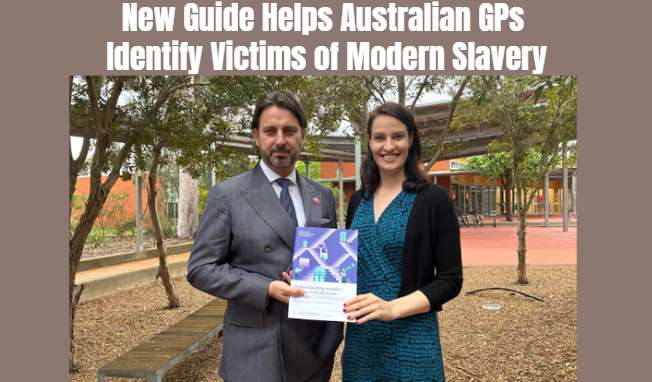
A new guide developed with survivors and specialists aims to help doctors and other healthcare professionals recognise signs of modern slavery and conne...
The Victorian government says the proposed restriction aims to protect student privacy, reduce classroom distractions and help students focus on learning.
Three men and two women have been charged after police searched a property in Cranbourne and allegedly recovered stolen electronics, a scooter, copper a...
A 29-year-old man was arrested after allegedly attempting to steal a vehicle while carrying an axe following a multi-vehicle collision in Melbourne’s no...
Victorian police have charged seven people in connection with an alleged group attack that resulted in a death in Melbourne’s western suburbs. The case...
The Victorian government says the proposed restriction aims to protect student privacy, reduce classroom distractions and help students focus on learning.
Wet weather is expected to add uncertainty to the Supercars championship street race, with leading drivers preparing for difficult track conditions on Q...
The ASX is maintaining a lower dividend payout and increasing spending on technology as it works to strengthen the reliability of Australia's financial...