Hobart Council Election Count Raises Possibility of Historic All-Male Council
By Chloe · Published 29 Oct 2026 · Updated 29 Oct 2026
Hobart, TAS · Tasmania News
Safety note: Admin approval is an initial review, not a guarantee that every detail is correct. Check important or urgent claims with official sources and report anything inaccurate or unsafe.
Source and credit: Contributor's own report
Hobart Council Election Count Raises Possibility of Historic All-Male Council - Hobart, TAS
Smart summary
Partial results from Tasmania’s local government elections suggest Hobart City Council could elect an all-male council for the first time since the 1950s, as vote counting continues and several candidates remain close...
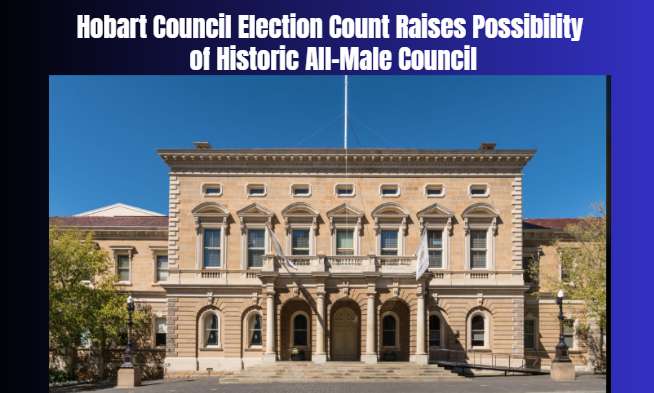
Hobart’s local government election has produced an unexpected result, with preliminary vote counting suggesting the city could return an all-male council for the first time since women began securing representation in the 1950s.
The partial results reported on Thursday, 29 October 2026, showed that only one woman was among the leading candidates for the top nine positions on Hobart City Council. However, the contest remained close, and the final composition of the council had not yet been determined.
The result has drawn attention to gender representation in local government and the role of elections in shaping the leadership of Tasmania’s capital. Hobart City Council makes decisions affecting local services, urban planning, public spaces, community facilities and the development of the city.
According to the Australian Broadcasting Corporation’s election update, candidate Tiffany Ashdown was positioned to potentially become the only woman among the leading nine candidates. Incumbent Ben Lohberger was reportedly just three votes behind her after preferences were adjusted, highlighting how a small number of ballots could influence the final outcome.
Several sitting councillors, including Louise Elliot, Zelinda Sherlock and Louise Bloomfield, were also behind in the preliminary count, although the margins remained close. The results were therefore still subject to further counting and the allocation of preferences.
The election has also attracted attention because of the candidates contesting leadership positions. Former 60 Minutes reporter and author Charles Wooley was leading the Hobart lord mayoral contest in the reported count, with 23.8 per cent of the vote at that stage. That figure represented a preliminary result rather than a final declaration.
The possibility of an all-male council carries historical significance. The ABC report noted that Hobart’s council had not been all-male since 1954, when lawyer Mabel Miller became the first woman elected to the council. The current count has therefore raised the prospect of a reversal of a milestone in women’s representation in the city’s local government.
Representation on local councils matters because councillors make decisions on issues that directly affect residents. These include neighbourhood development, transport planning, community services, public infrastructure and the management of public spaces. Councils also provide a formal avenue for residents to raise concerns and participate in decisions affecting their communities.
However, the preliminary results should not be treated as a final verdict on the election. Preference distributions, outstanding ballots and official counting procedures can alter candidate standings, especially when margins are narrow.
Across Tasmania, the local government elections have also produced changes and unexpected contests in other council areas. In the Huon Valley, a Hobart City Council media adviser was reported to be on track to become mayor, while Launceston incumbent Matthew Garwood was comfortably ahead in his re-election contest.
The Electoral Commission’s counting process was expected to continue, with all results due to be finalised by Tuesday, 3 November 2026. Until then, the balance of representation on Hobart City Council remained uncertain.
The developing result highlights how local elections can produce outcomes with wider historical and political significance, even when the final differences between candidates are only a handful of votes.
CouncilHobartCityElectionFinal
Hobart’s local government election has produced an unexpected result, with preliminary vote counting suggesting the city could return an all-male council for the first time since women began securing representation in the 1950s.
The partial results reported on Thursday, 29 October 2026, showed that only one woman was among the leading candidates for the top nine positions on Hobart City Council. However, the contest remained close, and the final composition of the council had not yet been determined.
The result has drawn attention to gender representation in local government and the role of elections in shaping the leadership of Tasmania’s capital. Hobart City Council makes decisions affecting local services, urban planning, public spaces, community facilities and the development of the city.
According to the Australian Broadcasting Corporation’s election update, candidate Tiffany Ashdown was positioned to potentially become the only woman among the leading nine candidates. Incumbent Ben Lohberger was reportedly just three votes behind her after preferences were adjusted, highlighting how a small number of ballots could influence the final outcome.
Several sitting councillors, including Louise Elliot, Zelinda Sherlock and Louise Bloomfield, were also behind in the preliminary count, although the margins remained close. The results were therefore still subject to further counting and the allocation of preferences.
The election has also attracted attention because of the candidates contesting leadership positions. Former 60 Minutes reporter and author Charles Wooley was leading the Hobart lord mayoral contest in the reported count, with 23.8 per cent of the vote at that stage. That figure represented a preliminary result rather than a final declaration.
The possibility of an all-male council carries historical significance. The ABC report noted that Hobart’s council had not been all-male since 1954, when lawyer Mabel Miller became the first woman elected to the council. The current count has therefore raised the prospect of a reversal of a milestone in women’s representation in the city’s local government.
Representation on local councils matters because councillors make decisions on issues that directly affect residents. These include neighbourhood development, transport planning, community services, public infrastructure and the management of public spaces. Councils also provide a formal avenue for residents to raise concerns and participate in decisions affecting their communities.
However, the preliminary results should not be treated as a final verdict on the election. Preference distributions, outstanding ballots and official counting procedures can alter candidate standings, especially when margins are narrow.
Across Tasmania, the local government elections have also produced changes and unexpected contests in other council areas. In the Huon Valley, a Hobart City Council media adviser was reported to be on track to become mayor, while Launceston incumbent Matthew Garwood was comfortably ahead in his re-election contest.
The Electoral Commission’s counting process was expected to continue, with all results due to be finalised by Tuesday, 3 November 2026. Until then, the balance of representation on Hobart City Council remained uncertain.
The developing result highlights how local elections can produce outcomes with wider historical and political significance, even when the final differences between candidates are only a handful of votes.
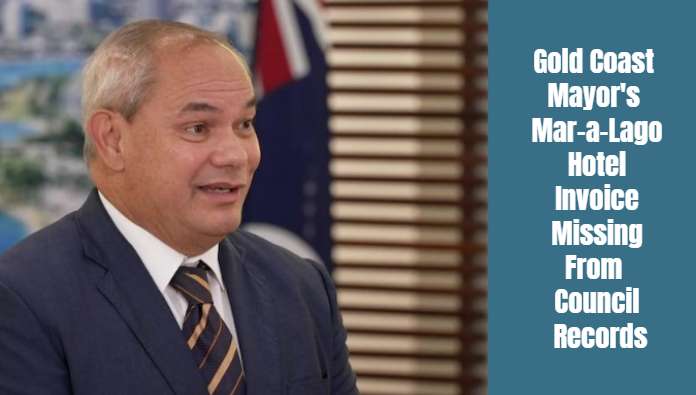
A freedom of information request has revealed that Gold Coast Council does not hold a copy of the invoice for Mayor Tom Tate's three-day stay at Donald...
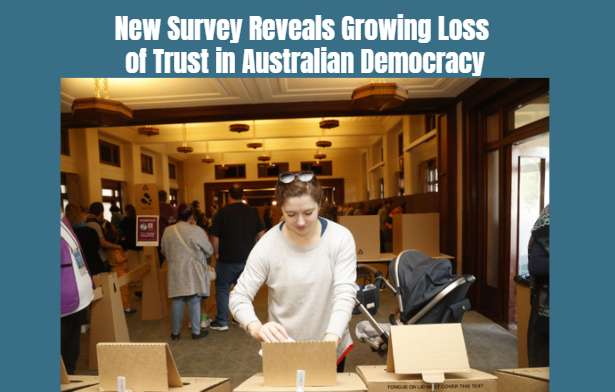
A nationwide survey of 4,000 Australians reveals declining confidence in politicians, growing dissatisfaction with democracy and significant differences...
New figures reveal more than $3 million in government spending on promotional merchandise, including unusual items such as condoms and lollies, raising...
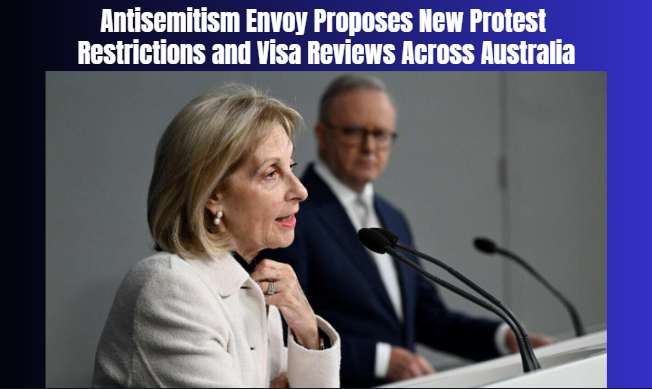
Australia's antisemitism envoy has recommended stronger protest rules, additional visa checks and independent oversight of public broadcasters as part o...
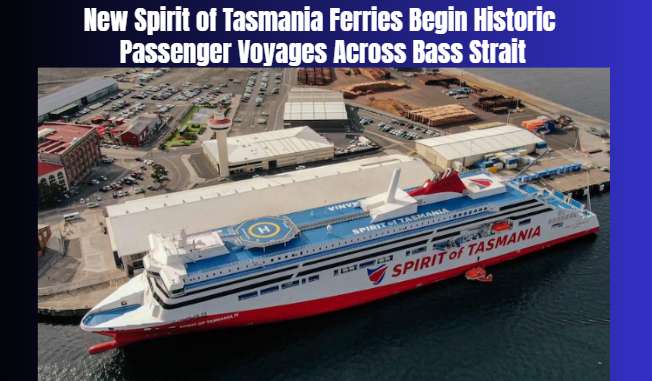
Two next-generation Spirit of Tasmania vessels begin their first passenger journeys between Victoria and Tasmania, bringing increased passenger capacity...
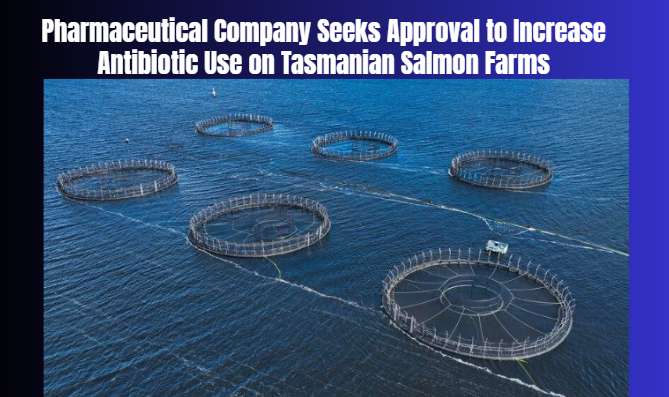
An animal health company has applied to increase antibiotic dosage levels and expand treatment areas in Tasmania's salmon farming industry, raising conc...
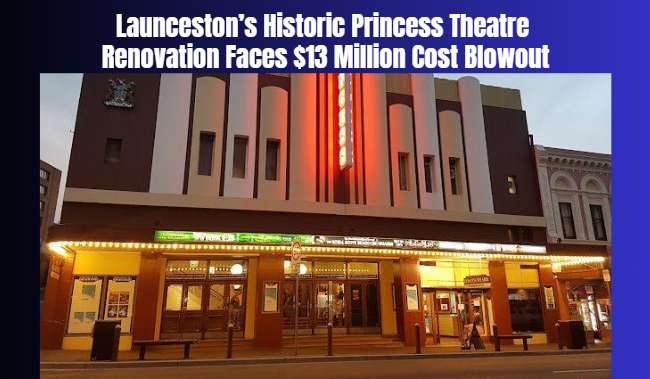
Restoration work on one of Tasmania’s oldest theatres is underway, but difficult site conditions have pushed costs more than $13 million above the origi...
A bill to prohibit conversion practices has passed Tasmania’s lower house, marking a significant step in the state’s debate over protections for LGBTQIA...
A psychiatric report presented to South Australia's Supreme Court has raised questions about Tamika Chesser's mental competence in the case involving th...
A freedom of information request has revealed that Gold Coast Council does not hold a copy of the invoice for Mayor Tom Tate's three-day stay at Donald...