Safety note: Admin approval is an initial review, not a guarantee that every detail is correct. Check important or urgent claims with official sources and report anything inaccurate or unsafe.
Source and credit: Contributor's own report
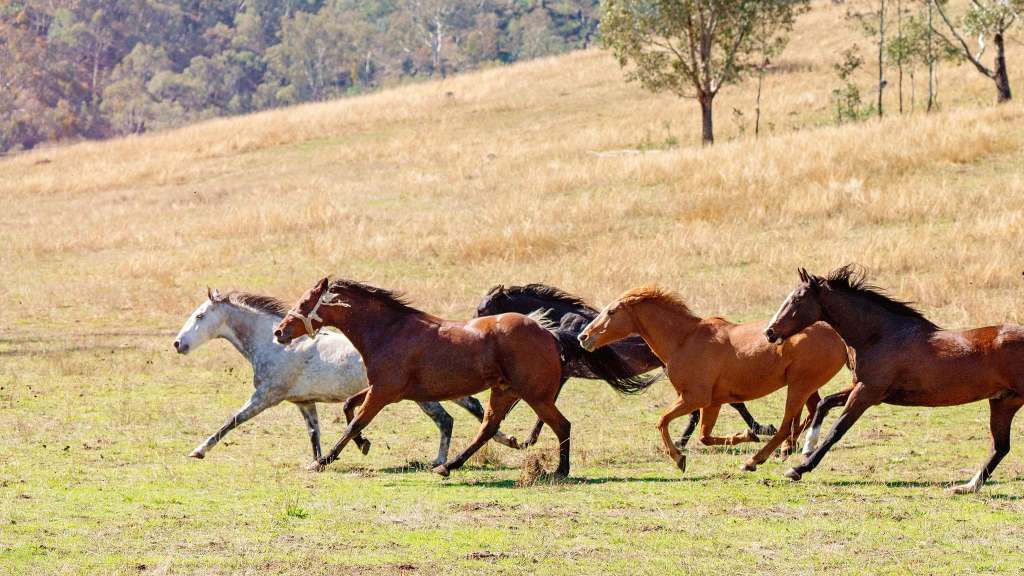
Invasive Species Council calls for feral horse control at Lake Muir wetlands in WA - Manjimup, WA
Smart summary
Conservation groups are urging the Western Australian government to manage a feral horse population near Lake Muir, warning of environmental damage and road safety risks, while locals debate the scale of the problem.
A debate is growing in Western Australia’s South West region over the future of a population of feral horses near Lake Muir, with conservation advocates calling for stronger management action while some locals argue the horses are not the region’s most urgent pest concern.
The Invasive Species Council has called on the WA government to control the feral horse population around Lake Muir, located approximately 360 kilometres south of Perth, citing concerns about environmental impacts, road safety and the protection of sensitive wetland ecosystems.
Lake Muir forms part of the Muir-Byenup wetland system, an internationally recognised Ramsar-listed wetland area considered important for biodiversity conservation. Conservation advocates say feral horses can damage fragile environments through grazing, trampling native vegetation, compacting soil, increasing erosion and affecting waterways.
Reece Pianta from the Invasive Species Council said immediate action was needed to prevent further environmental damage. He argued that horse populations should be managed similarly to other invasive species such as feral deer and pigs.
According to conservation experts, heavy-hoofed animals can create significant pressure on wetlands, particularly in areas where native plants and water systems are vulnerable. They also warn that feral horses can contribute to the spread of diseases and degrade habitats used by native wildlife.
However, some residents and farmers in the Lake Muir area disagree that feral horses are currently the biggest threat facing the region. Several locals told the ABC that feral pigs remain a far greater problem because of the damage they cause to farms, bushland and native ecosystems.
Manjimup Shire President Donelle Buegge said she had not personally seen an increase in horse numbers and questioned claims that the population had grown significantly in recent years.
Local farmer and eco-tourism operator Gary Muir also challenged claims about the horses’ origins. He said his family history suggested horses had been present in the Lake Muir area for generations, with connections dating back to the late 1800s.
Mr Muir said his great-grandfather, Robert Forest Muir, bred and trained hundreds of horses in the region, with some believed to have been used for military purposes including the Boer War and World War I. However, the direct connection between historical horses and the current feral population has not been independently confirmed.
The exact number of feral horses in the area remains uncertain. The WA Department of Biodiversity, Conservation and Attractions (DBCA) said the animals were difficult to track and there were currently no reliable population estimates.
The department confirmed it was monitoring the impacts of feral pigs, deer and horses across conservation areas in the region.
Some estimates place the Lake Muir horse population in the hundreds, although community members have different views about whether that number represents a serious environmental threat.
Veterinarian Sheila Greenwell, who has rescued and rehabilitated Lake Muir horses, said she had observed between 150 and 200 horses during an aerial survey more than a decade ago. She believes the population is not large enough to cause the level of environmental damage seen in areas with much larger feral horse numbers.
The debate highlights the ongoing challenge of balancing environmental protection, animal management and community concerns. Authorities will continue monitoring the situation before determining whether further action is required.
HorsesFeralMuirLakePopulation
A debate is growing in Western Australia’s South West region over the future of a population of feral horses near Lake Muir, with conservation advocates calling for stronger management action while some locals argue the horses are not the region’s most urgent pest concern.
The Invasive Species Council has called on the WA government to control the feral horse population around Lake Muir, located approximately 360 kilometres south of Perth, citing concerns about environmental impacts, road safety and the protection of sensitive wetland ecosystems.
Lake Muir forms part of the Muir-Byenup wetland system, an internationally recognised Ramsar-listed wetland area considered important for biodiversity conservation. Conservation advocates say feral horses can damage fragile environments through grazing, trampling native vegetation, compacting soil, increasing erosion and affecting waterways.
Reece Pianta from the Invasive Species Council said immediate action was needed to prevent further environmental damage. He argued that horse populations should be managed similarly to other invasive species such as feral deer and pigs.
According to conservation experts, heavy-hoofed animals can create significant pressure on wetlands, particularly in areas where native plants and water systems are vulnerable. They also warn that feral horses can contribute to the spread of diseases and degrade habitats used by native wildlife.
However, some residents and farmers in the Lake Muir area disagree that feral horses are currently the biggest threat facing the region. Several locals told the ABC that feral pigs remain a far greater problem because of the damage they cause to farms, bushland and native ecosystems.
Manjimup Shire President Donelle Buegge said she had not personally seen an increase in horse numbers and questioned claims that the population had grown significantly in recent years.
Local farmer and eco-tourism operator Gary Muir also challenged claims about the horses’ origins. He said his family history suggested horses had been present in the Lake Muir area for generations, with connections dating back to the late 1800s.
Mr Muir said his great-grandfather, Robert Forest Muir, bred and trained hundreds of horses in the region, with some believed to have been used for military purposes including the Boer War and World War I. However, the direct connection between historical horses and the current feral population has not been independently confirmed.
The exact number of feral horses in the area remains uncertain. The WA Department of Biodiversity, Conservation and Attractions (DBCA) said the animals were difficult to track and there were currently no reliable population estimates.
The department confirmed it was monitoring the impacts of feral pigs, deer and horses across conservation areas in the region.
Some estimates place the Lake Muir horse population in the hundreds, although community members have different views about whether that number represents a serious environmental threat.
Veterinarian Sheila Greenwell, who has rescued and rehabilitated Lake Muir horses, said she had observed between 150 and 200 horses during an aerial survey more than a decade ago. She believes the population is not large enough to cause the level of environmental damage seen in areas with much larger feral horse numbers.
The debate highlights the ongoing challenge of balancing environmental protection, animal management and community concerns. Authorities will continue monitoring the situation before determining whether further action is required.
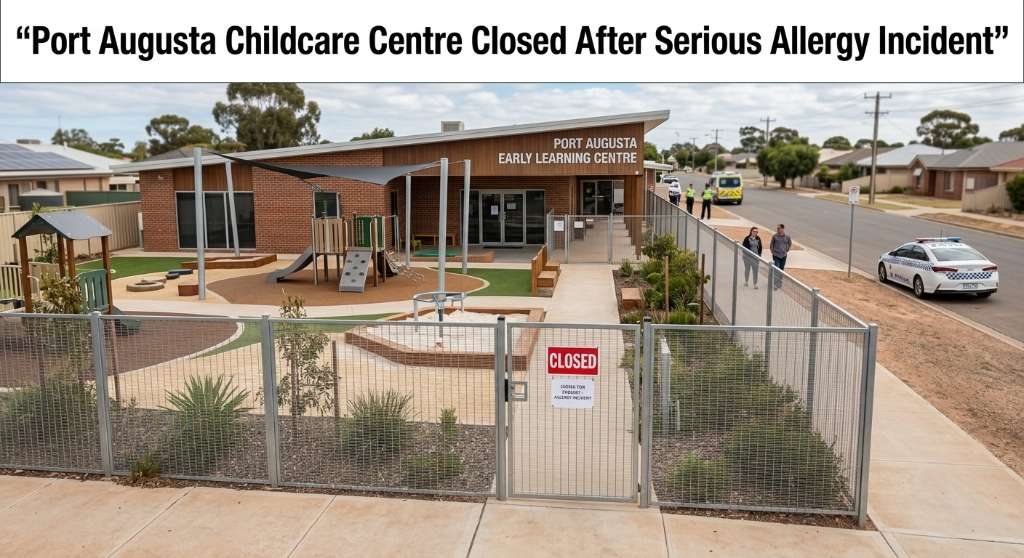
An Edge Early Learning centre in Port Augusta has been ordered to close for two weeks after a child with allergies was hospitalised after being given fo...
The statewide scheme allows eligible renters to transfer their existing bond directly to a new rental property instead of paying a second bond upfront.
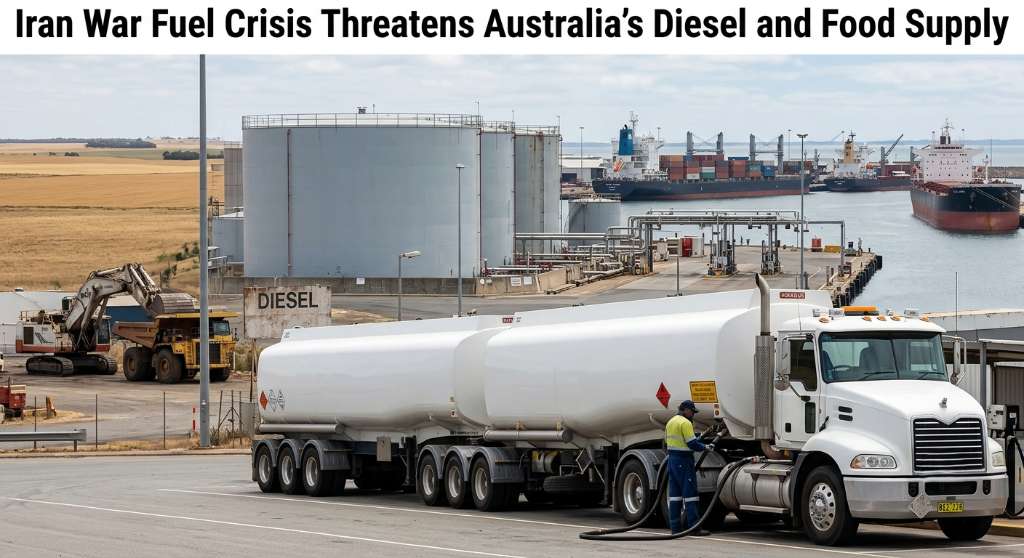
Global diesel shortages and disrupted shipping routes are pushing up fuel costs and creating growing risks for Australia’s farmers, miners and wider eco...
Central Coast New South Wales · General News · 15 Sep 2026
A teenager accused of negligent driving following a fatal crash on the NSW Central Coast has been refused bail in court today, Tuesday, September 15, 2026. The case follows a se...
Global diesel shortages and disrupted shipping routes are pushing up fuel costs and creating growing risks for Australia’s farmers, miners and wider eco...
A push is underway to expand NSW Police drone technology to Gunnedah, with the equipment proposed for crime response, offender searches and emergencies.
Cairns Regional Council has unanimously voted to seek $400,000 in Queensland Government funding for a program designed to connect local businesses with the region’s growing film...
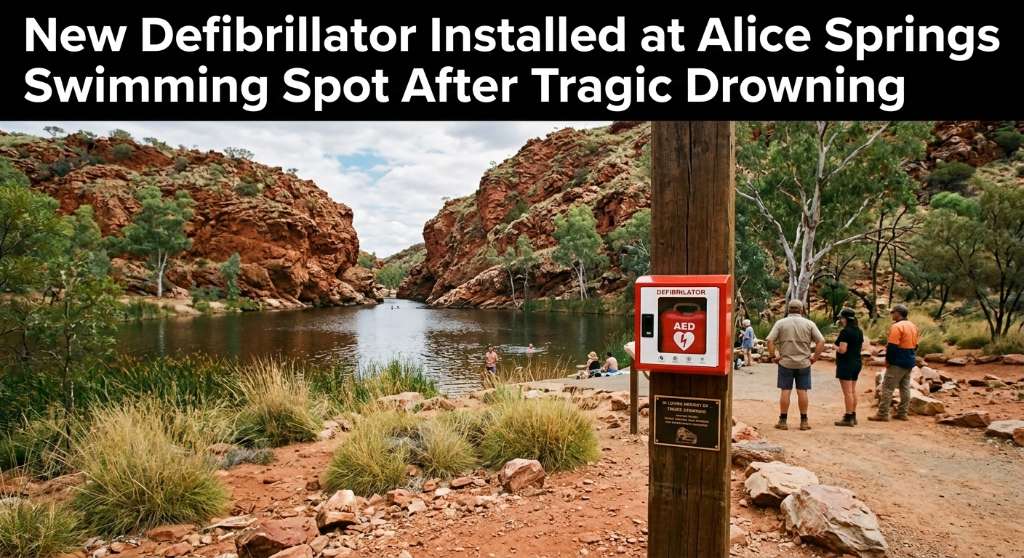
An automated external defibrillator and memorial plaque have been installed at Ellery Creek Big Hole following the death of disability advocate Ellen Fr...
Queensland firefighters spent several hours monitoring a significant grass fire at Mary Kinross Park in Bargara, near Bundaberg, after the blaze broke out on Wednesday evening....