Safety note: Admin approval is an initial review, not a guarantee that every detail is correct. Check important or urgent claims with official sources and report anything inaccurate or unsafe.
Source and credit: Contributor's own report
Koala Park Rejected as Potential Homeless Campsite on Central Coast - Central Coast, NSW
Smart summary
Central Coast Council has ruled out using Koala Park as a temporary campsite for people experiencing homelessness, citing its remote location, limited access to services and lease restrictions.
The Central Coast Council has rejected a proposal to use Koala Park as a temporary campsite for people experiencing homelessness, with councillors concluding that the site is unsuitable because of its location, lack of nearby essential services and legal restrictions on the land.
The idea was discussed as part of the council's ongoing efforts to identify safe and appropriate locations where people sleeping rough could access temporary accommodation while longer-term housing solutions are pursued. However, council officers advised that Koala Park would not provide suitable access to public transport, shops, medical facilities or homelessness support services that people often rely upon.
In addition to concerns about accessibility, the land is subject to lease conditions that do not permit it to be used as a temporary homelessness campsite. These restrictions were identified as another significant barrier to the proposal proceeding.
Councillors acknowledged that homelessness continues to be a growing issue across the Central Coast and agreed that alternative sites should continue to be investigated. They emphasised that any future location must balance the needs of vulnerable people with community expectations while ensuring residents have access to transport, healthcare, food outlets and support agencies.
The decision comes amid increasing pressure on local governments across New South Wales to respond to rising homelessness, driven by housing shortages, increasing rental costs and broader cost-of-living pressures. Community organisations have repeatedly called for additional crisis accommodation and long-term affordable housing across the region.
Supporters of the proposal argued that temporary campsites can provide a safer alternative for people sleeping in parks, vehicles or bushland. Others, however, expressed concerns about the suitability of Koala Park because of its isolation and potential impacts on the surrounding environment and recreational use of the area.
Council representatives stressed that rejecting Koala Park does not mean efforts to assist people experiencing homelessness have ended. Instead, the council committee has committed to continuing discussions with state agencies and community organisations to identify more appropriate locations and improve access to housing support services.
Housing advocates say the debate highlights the broader challenge facing councils across Australia. While temporary accommodation can provide immediate relief, they argue that increasing the supply of affordable and social housing remains the long-term solution to reducing homelessness.
The issue is expected to remain on the council's agenda as work continues to identify practical responses that meet both humanitarian needs and planning requirements. Future proposals are likely to involve consultation with local communities, government agencies and homelessness service providers before any decision is made.
HomelessnessCouncilHousingPeopleKoala
The Central Coast Council has rejected a proposal to use Koala Park as a temporary campsite for people experiencing homelessness, with councillors concluding that the site is unsuitable because of its location, lack of nearby essential services and legal restrictions on the land.
The idea was discussed as part of the council's ongoing efforts to identify safe and appropriate locations where people sleeping rough could access temporary accommodation while longer-term housing solutions are pursued. However, council officers advised that Koala Park would not provide suitable access to public transport, shops, medical facilities or homelessness support services that people often rely upon.
In addition to concerns about accessibility, the land is subject to lease conditions that do not permit it to be used as a temporary homelessness campsite. These restrictions were identified as another significant barrier to the proposal proceeding.
Councillors acknowledged that homelessness continues to be a growing issue across the Central Coast and agreed that alternative sites should continue to be investigated. They emphasised that any future location must balance the needs of vulnerable people with community expectations while ensuring residents have access to transport, healthcare, food outlets and support agencies.
The decision comes amid increasing pressure on local governments across New South Wales to respond to rising homelessness, driven by housing shortages, increasing rental costs and broader cost-of-living pressures. Community organisations have repeatedly called for additional crisis accommodation and long-term affordable housing across the region.
Supporters of the proposal argued that temporary campsites can provide a safer alternative for people sleeping in parks, vehicles or bushland. Others, however, expressed concerns about the suitability of Koala Park because of its isolation and potential impacts on the surrounding environment and recreational use of the area.
Council representatives stressed that rejecting Koala Park does not mean efforts to assist people experiencing homelessness have ended. Instead, the council committee has committed to continuing discussions with state agencies and community organisations to identify more appropriate locations and improve access to housing support services.
Housing advocates say the debate highlights the broader challenge facing councils across Australia. While temporary accommodation can provide immediate relief, they argue that increasing the supply of affordable and social housing remains the long-term solution to reducing homelessness.
The issue is expected to remain on the council's agenda as work continues to identify practical responses that meet both humanitarian needs and planning requirements. Future proposals are likely to involve consultation with local communities, government agencies and homelessness service providers before any decision is made.
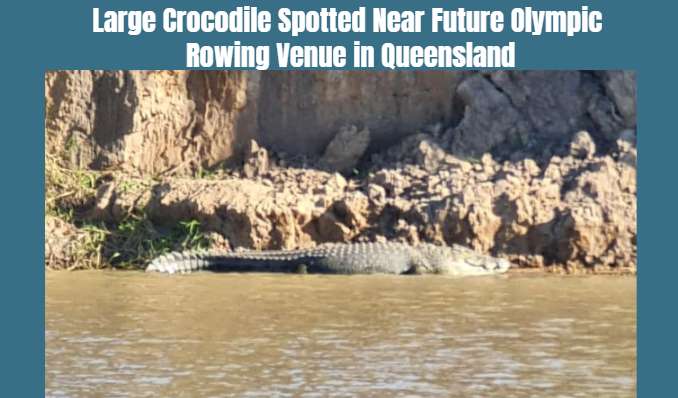
A large crocodile sighting near Rockhampton's proposed Olympic rowing venue has renewed concerns about public safety, wildlife management and the risks...
Indigenous women are using traditional weaving and craft-making to strengthen cultural connections, preserve knowledge passed down through generations a...
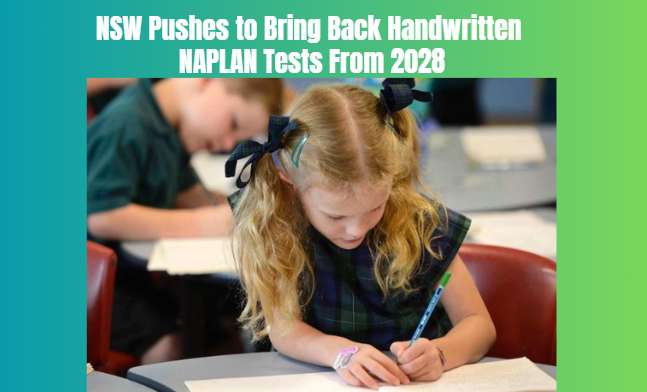
Education experts support New South Wales' proposal to replace computer-based NAPLAN writing tests with traditional pen-and-paper examinations for stude...
A pay dispute involving specialist electricity-market workers has escalated, with Australia's energy operator warning that industrial action could creat...
New South Wales has begun accepting firearms under the national gun buyback scheme, but limited appointment availability has created an early challenge...
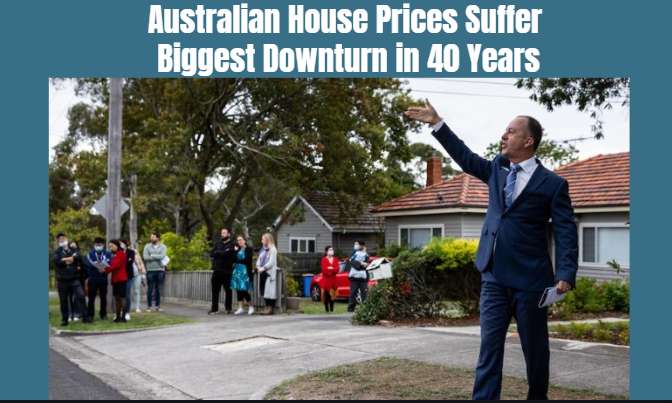
Australian property values have fallen for seven consecutive months, with the national median home value dropping approximately $63,400 since March as h...
Education experts support New South Wales' proposal to replace computer-based NAPLAN writing tests with traditional pen-and-paper examinations for stude...
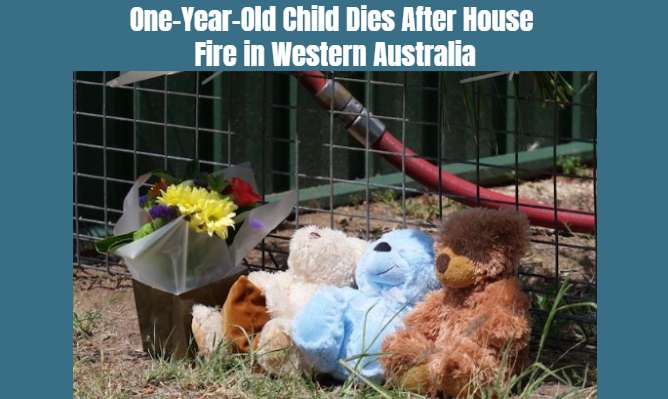
Police are investigating after a one-year-old child died following a house fire in Collie, while several other people inside the property escaped safely.
A psychiatric report presented to South Australia's Supreme Court has raised questions about Tamika Chesser's mental competence in the case involving th...
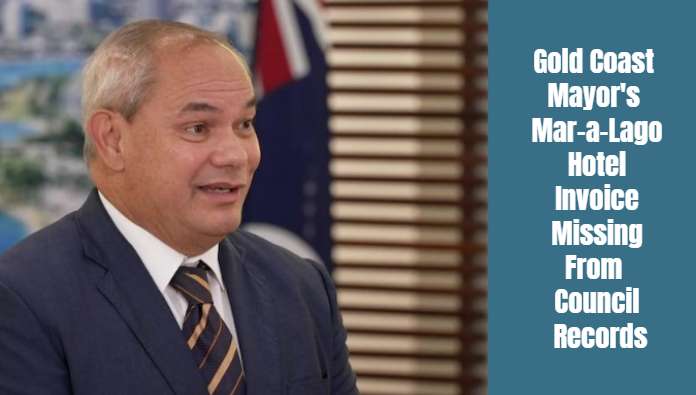
A freedom of information request has revealed that Gold Coast Council does not hold a copy of the invoice for Mayor Tom Tate's three-day stay at Donald...