Safety note: Admin approval is an initial review, not a guarantee that every detail is correct. Check important or urgent claims with official sources and report anything inaccurate or unsafe.
Source and credit: Contributor's own report
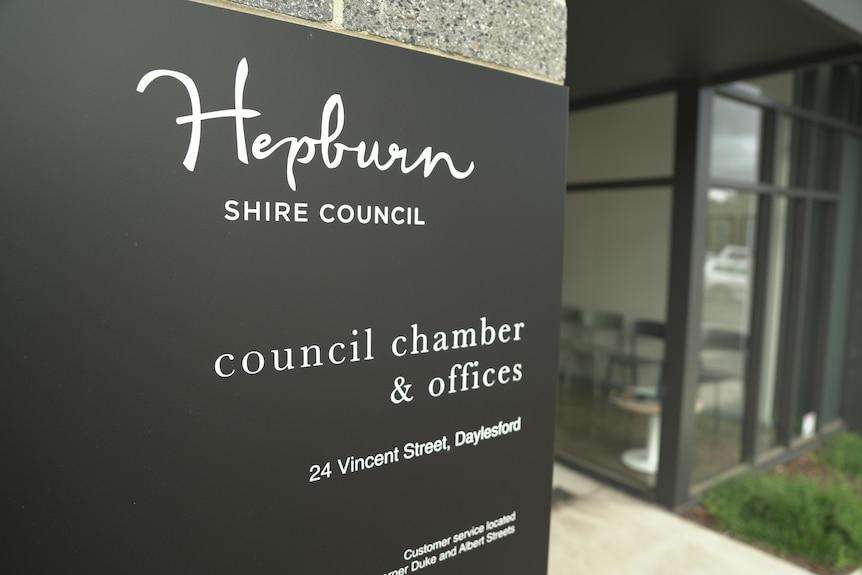
Legal Loophole Leaves Hepburn Shire Council Crippled After Private Prosecutions - Ballarat, VIC
Smart summary
A rare private prosecution process has forced five Hepburn Shire councillors to stand aside, leaving the regional Victorian council unable to make major decisions and prompting calls for urgent law reform.
A regional Victorian council has been thrown into crisis after a local businessman used a rarely used legal process to launch private criminal prosecutions against elected representatives, triggering automatic stand-downs under Victoria’s local government laws.
Hepburn Shire Council, located in central Victoria near Daylesford, has been left with only two active councillors after five of its seven elected members were served with private criminal charges. The situation has significantly affected the council’s ability to hold meetings and make major decisions because it no longer has enough members to form a quorum.
The legal action was initiated by local businessman David Penman, who filed private prosecutions against councillors and the council’s chief executive officer. Mr Penman has alleged issues relating to council governance, including concerns about financial decisions and the adoption of the 2026–27 budget. The allegations remain before the courts and have not been proven.
Private prosecutions allow individuals to bring criminal charges without first going through police or government prosecutors. While uncommon in modern Australia, the process remains available under existing Victorian law. Legal experts say the system dates back to older legal traditions from before modern police and public prosecution services existed.
Under the current Local Government Act 2020, councillors who face criminal charges are automatically required to stand down while court proceedings continue, regardless of whether the charges were initiated by police or a private individual. This automatic suspension mechanism has become the centre of debate following the Hepburn Shire situation.
Local government groups have raised concerns that the process could potentially be misused to disrupt democratically elected councils. Rural Councils Victoria has called for urgent legislative changes, warning that similar cases could occur in other Victorian councils if the loophole is not addressed.
Supporters of reform argue that criminal allegations should first be assessed by independent authorities before elected officials are automatically removed from their roles. They say accountability is important, but the current system may allow untested claims to interfere with local democracy.
Mr Penman has defended his actions, arguing that private prosecutions provide a way for citizens to hold public officials accountable when they believe institutions have failed to respond. He said the process was legally available and intended as a mechanism for community accountability.
The Victorian Government has acknowledged concerns surrounding the situation and is considering amendments to the Local Government Act. Proposed changes would aim to ensure councillors are only automatically stood down when charges originate from law enforcement agencies rather than private individuals.
The Office of Public Prosecutions (OPP) may also become involved in private prosecutions. In many cases, the OPP reviews such matters and decides whether proceedings should continue or be taken over by public prosecutors.
The Hepburn Shire case has highlighted a broader debate about balancing public accountability, legal rights and protection of democratic institutions. While councils must be held responsible for their decisions, local government leaders argue that safeguards are needed to prevent legal processes from unnecessarily preventing elected representatives from serving their communities.
PrivateGovernmentLegalProsecutionsCouncil
A regional Victorian council has been thrown into crisis after a local businessman used a rarely used legal process to launch private criminal prosecutions against elected representatives, triggering automatic stand-downs under Victoria’s local government laws.
Hepburn Shire Council, located in central Victoria near Daylesford, has been left with only two active councillors after five of its seven elected members were served with private criminal charges. The situation has significantly affected the council’s ability to hold meetings and make major decisions because it no longer has enough members to form a quorum.
The legal action was initiated by local businessman David Penman, who filed private prosecutions against councillors and the council’s chief executive officer. Mr Penman has alleged issues relating to council governance, including concerns about financial decisions and the adoption of the 2026–27 budget. The allegations remain before the courts and have not been proven.
Private prosecutions allow individuals to bring criminal charges without first going through police or government prosecutors. While uncommon in modern Australia, the process remains available under existing Victorian law. Legal experts say the system dates back to older legal traditions from before modern police and public prosecution services existed.
Under the current Local Government Act 2020, councillors who face criminal charges are automatically required to stand down while court proceedings continue, regardless of whether the charges were initiated by police or a private individual. This automatic suspension mechanism has become the centre of debate following the Hepburn Shire situation.
Local government groups have raised concerns that the process could potentially be misused to disrupt democratically elected councils. Rural Councils Victoria has called for urgent legislative changes, warning that similar cases could occur in other Victorian councils if the loophole is not addressed.
Supporters of reform argue that criminal allegations should first be assessed by independent authorities before elected officials are automatically removed from their roles. They say accountability is important, but the current system may allow untested claims to interfere with local democracy.
Mr Penman has defended his actions, arguing that private prosecutions provide a way for citizens to hold public officials accountable when they believe institutions have failed to respond. He said the process was legally available and intended as a mechanism for community accountability.
The Victorian Government has acknowledged concerns surrounding the situation and is considering amendments to the Local Government Act. Proposed changes would aim to ensure councillors are only automatically stood down when charges originate from law enforcement agencies rather than private individuals.
The Office of Public Prosecutions (OPP) may also become involved in private prosecutions. In many cases, the OPP reviews such matters and decides whether proceedings should continue or be taken over by public prosecutors.
The Hepburn Shire case has highlighted a broader debate about balancing public accountability, legal rights and protection of democratic institutions. While councils must be held responsible for their decisions, local government leaders argue that safeguards are needed to prevent legal processes from unnecessarily preventing elected representatives from serving their communities.
A vehicle has crashed into a house in Albury, prompting police attendance at a residential property near the intersection of Mate and North streets. The incident was reported to...
A high-profile athlete has returned to court and told the hearing that an alleged unwanted kiss by former broadcaster Alan Jones remained difficult to f...
Work on the $150 million Sydney Town Hall Square project has been paused after the NSW Planning Minister referred the development for review by the Inde...
New workplace data shows staff absenteeism jumped sharply during the historic MCG NFL event, while Melbourne businesses also benefited from a major spen...
Cairns Regional Council has unanimously voted to seek $400,000 in Queensland Government funding for a program designed to connect local businesses with the region’s growing film...
An automated external defibrillator and memorial plaque have been installed at Ellery Creek Big Hole following the death of disability advocate Ellen Fr...
Queensland firefighters spent several hours monitoring a significant grass fire at Mary Kinross Park in Bargara, near Bundaberg, after the blaze broke out on Wednesday evening....