Safety note: Admin approval is an initial review, not a guarantee that every detail is correct. Check important or urgent claims with official sources and report anything inaccurate or unsafe.
Source and credit: Contributor's own report
Victoria on High Alert as Authorities Intensify Monitoring for Deadly H5N1 Bird Flu - Melbourne, VIC
Smart summary
Victorian authorities are increasing surveillance and urging the public to report sick or dead wild birds as Australia responds to the arrival of the highly pathogenic H5N1 bird flu in wild seabirds for the first time.
Victoria has moved into a heightened state of preparedness as authorities strengthen surveillance for the highly pathogenic H5N1 avian influenza, commonly known as bird flu, following recent detections in wild seabirds elsewhere in Australia. The virus has not been detected in Victorian poultry, but biosecurity agencies are urging farmers, wildlife carers and the public to remain vigilant.
Australia confirmed its first mainland detections of the H5N1 strain in wild seabirds during June 2026 after infected migratory birds were identified in Western Australia. Since then, additional detections have been reported in New South Wales and South Australia, prompting increased monitoring nationwide.
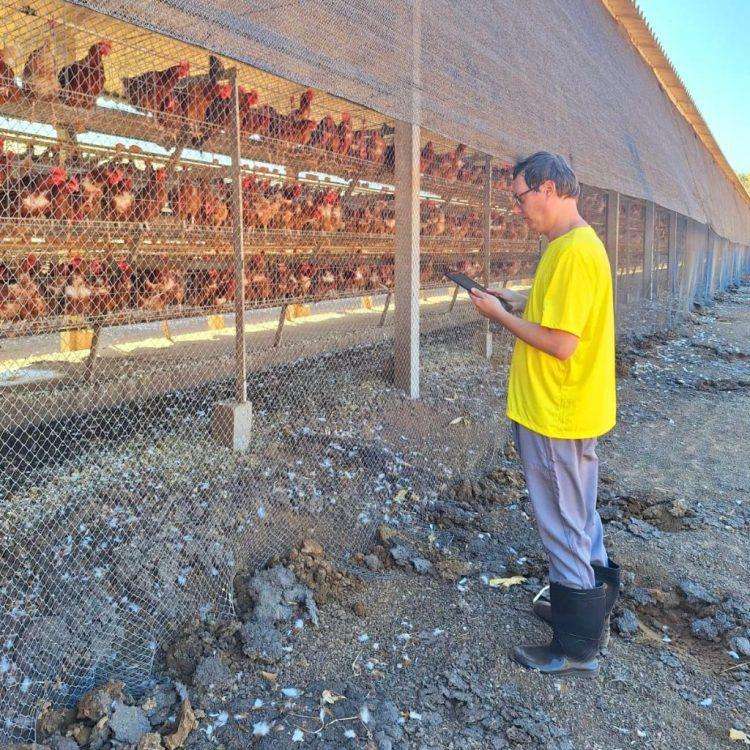
Victorian agriculture and wildlife authorities have increased surveillance across wetlands, coastal regions, commercial poultry farms and wildlife rehabilitation centres. Farmers are being encouraged to strengthen farm biosecurity by limiting contact between domestic poultry and wild birds, securing feed and water sources, and immediately reporting unusual illness or sudden bird deaths.
Experts say the current risk to the general public remains low. Human infections are rare and usually occur only after close, prolonged contact with infected birds or contaminated environments. Nevertheless, health officials advise people not to handle sick or dead birds and instead report them through official animal disease reporting channels.
Wildlife organisations are also preparing for the possibility of additional cases. Australia has so far avoided the widespread mass bird mortality events experienced overseas, but scientists warn that the virus has caused devastating impacts on seabird colonies and some mammal populations in other parts of the world.
The arrival of H5N1 has prompted governments to expand testing programs and improve coordination between agriculture, environment and public health agencies. Veterinary laboratories continue testing samples from wild birds to detect any spread into new regions or species. Authorities stress that early detection is essential for protecting Australia's poultry industry and native wildlife.
Victorian poultry producers say they have already implemented strict biosecurity measures following last year's avian influenza outbreaks involving different virus strains. Industry groups believe these preparations place the state in a strong position should H5N1 eventually be detected locally.
Officials are also asking bird owners to keep domestic birds separated from wild birds wherever possible and to maintain good hygiene practices when handling poultry or cleaning enclosures. Wildlife carers are being advised to use appropriate personal protective equipment when responding to sick birds.
Authorities emphasise there is no evidence that properly cooked poultry products or eggs pose a food safety risk, and there have been no detections of H5N1 in Victorian commercial poultry operations. The focus remains on protecting wildlife, preventing transmission into domestic flocks and maintaining Australia's strong biosecurity system.
As surveillance continues across the state, officials say public cooperation will be critical in helping identify any new cases quickly and limiting the impact of the virus if it reaches Victoria.
BirdsPoultryWildlifeAuthoritiesBird
Victoria has moved into a heightened state of preparedness as authorities strengthen surveillance for the highly pathogenic H5N1 avian influenza, commonly known as bird flu, following recent detections in wild seabirds elsewhere in Australia. The virus has not been detected in Victorian poultry, but biosecurity agencies are urging farmers, wildlife carers and the public to remain vigilant.
Australia confirmed its first mainland detections of the H5N1 strain in wild seabirds during June 2026 after infected migratory birds were identified in Western Australia. Since then, additional detections have been reported in New South Wales and South Australia, prompting increased monitoring nationwide.
Victorian agriculture and wildlife authorities have increased surveillance across wetlands, coastal regions, commercial poultry farms and wildlife rehabilitation centres. Farmers are being encouraged to strengthen farm biosecurity by limiting contact between domestic poultry and wild birds, securing feed and water sources, and immediately reporting unusual illness or sudden bird deaths.
Experts say the current risk to the general public remains low. Human infections are rare and usually occur only after close, prolonged contact with infected birds or contaminated environments. Nevertheless, health officials advise people not to handle sick or dead birds and instead report them through official animal disease reporting channels.
Wildlife organisations are also preparing for the possibility of additional cases. Australia has so far avoided the widespread mass bird mortality events experienced overseas, but scientists warn that the virus has caused devastating impacts on seabird colonies and some mammal populations in other parts of the world.
The arrival of H5N1 has prompted governments to expand testing programs and improve coordination between agriculture, environment and public health agencies. Veterinary laboratories continue testing samples from wild birds to detect any spread into new regions or species. Authorities stress that early detection is essential for protecting Australia's poultry industry and native wildlife.
Victorian poultry producers say they have already implemented strict biosecurity measures following last year's avian influenza outbreaks involving different virus strains. Industry groups believe these preparations place the state in a strong position should H5N1 eventually be detected locally.
Officials are also asking bird owners to keep domestic birds separated from wild birds wherever possible and to maintain good hygiene practices when handling poultry or cleaning enclosures. Wildlife carers are being advised to use appropriate personal protective equipment when responding to sick birds.
Authorities emphasise there is no evidence that properly cooked poultry products or eggs pose a food safety risk, and there have been no detections of H5N1 in Victorian commercial poultry operations. The focus remains on protecting wildlife, preventing transmission into domestic flocks and maintaining Australia's strong biosecurity system.
As surveillance continues across the state, officials say public cooperation will be critical in helping identify any new cases quickly and limiting the impact of the virus if it reaches Victoria.
New funding from local charity Wishlist is improving communication support for patients at Bundaberg Hospital, with resources designed to help people communicate more effectivel...
New figures have renewed concerns about emergency department delays at Royal Hobart Hospital, with the health system facing questions over patient waiti...
Central Coast New South Wales · Health News · 10 Sep 2026
The design for new Key Health Worker Accommodation at Wyong has been released today, with the project aimed at helping address the need for suitable accommodation for healthcare...
New workplace data shows staff absenteeism jumped sharply during the historic MCG NFL event, while Melbourne businesses also benefited from a major spen...
Cairns Regional Council has unanimously voted to seek $400,000 in Queensland Government funding for a program designed to connect local businesses with the region’s growing film...
An automated external defibrillator and memorial plaque have been installed at Ellery Creek Big Hole following the death of disability advocate Ellen Fr...
Queensland firefighters spent several hours monitoring a significant grass fire at Mary Kinross Park in Bargara, near Bundaberg, after the blaze broke out on Wednesday evening....