Safety note: Admin approval is an initial review, not a guarantee that every detail is correct. Check important or urgent claims with official sources and report anything inaccurate or unsafe.
Source and credit: Contributor's own report
Victorian Woman Shares Opioid Addiction Story After Prescription Pain Treatment - Ballarat, VIC
Smart summary
A Victorian woman has shared her experience of becoming dependent on prescribed opioids while managing severe endometriosis pain, highlighting concerns about long-term opioid use, monitoring and access to addiction su...
A Victorian woman has spoken publicly about her experience with prescription opioid dependence, warning that addiction can affect anyone, including people who begin taking medication for genuine medical reasons. Her story has renewed discussion about opioid prescribing, patient support and the importance of careful monitoring for people using strong pain medications.
Natasha Trajkovski said she was first prescribed opioids at the age of 21 while dealing with severe pain linked to endometriosis after undergoing a caesarean section. She said the medication initially helped her return to daily activities and care for her child, but over time her tolerance increased and she found herself relying more heavily on the medication.
Natasha described a period where her life became focused around obtaining her next dose of medication. She said that while the opioids initially helped control her pain, increasing dependence created significant challenges affecting her health, daily life and ability to function normally.
At the height of her addiction, Natasha said she was taking very high amounts of pharmaceutical opioids and experienced serious physical effects. She later sought help, changed doctors and entered rehabilitation, beginning a long process toward recovery. She has now been free from opioid use for more than two years.
Her experience has highlighted broader concerns about prescription opioid use across Australia. Opioids such as oxycodone, codeine, morphine and methadone are commonly used to treat severe pain, but long-term use can lead to dependence and withdrawal challenges for some patients.
Recent Australian health data shows millions of opioid prescriptions are dispensed each year, with concerns remaining about balancing access to pain relief with reducing the risks of dependence and misuse.
Addiction medicine specialists say the solution is not simply removing opioids from patients who have chronic pain. Doctors emphasise that treatment decisions should involve patients, with careful reviews, gradual dose reductions where appropriate and alternative pain management strategies considered.
Dr Adam Straub, an addiction medicine physician in regional Victoria, said many patients receiving treatment for opioid dependence are people who originally started taking the medication for legitimate health conditions. He said long-term opioid use requires regular reassessment and support rather than sudden changes that may leave patients struggling with unmanaged pain.
Health experts are increasingly promoting safer prescribing practices, education for healthcare professionals and improved access to addiction treatment services. Programs supporting doctors, nurses and pharmacists aim to provide better guidance around reducing unnecessary or potentially harmful medication use.
Natasha said she hopes sharing her story will help others understand that addiction does not discriminate. She is now studying to work in drug and alcohol nursing, hoping to support people facing similar challenges.
The discussion around prescription opioids continues to focus on finding a balance between providing effective pain relief and ensuring patients receive appropriate information, monitoring and support throughout their treatment journey.
PainOpioidAddictionMedicationOpioids
A Victorian woman has spoken publicly about her experience with prescription opioid dependence, warning that addiction can affect anyone, including people who begin taking medication for genuine medical reasons. Her story has renewed discussion about opioid prescribing, patient support and the importance of careful monitoring for people using strong pain medications.
Natasha Trajkovski said she was first prescribed opioids at the age of 21 while dealing with severe pain linked to endometriosis after undergoing a caesarean section. She said the medication initially helped her return to daily activities and care for her child, but over time her tolerance increased and she found herself relying more heavily on the medication.
Natasha described a period where her life became focused around obtaining her next dose of medication. She said that while the opioids initially helped control her pain, increasing dependence created significant challenges affecting her health, daily life and ability to function normally.
At the height of her addiction, Natasha said she was taking very high amounts of pharmaceutical opioids and experienced serious physical effects. She later sought help, changed doctors and entered rehabilitation, beginning a long process toward recovery. She has now been free from opioid use for more than two years.
Her experience has highlighted broader concerns about prescription opioid use across Australia. Opioids such as oxycodone, codeine, morphine and methadone are commonly used to treat severe pain, but long-term use can lead to dependence and withdrawal challenges for some patients.
Recent Australian health data shows millions of opioid prescriptions are dispensed each year, with concerns remaining about balancing access to pain relief with reducing the risks of dependence and misuse.
Addiction medicine specialists say the solution is not simply removing opioids from patients who have chronic pain. Doctors emphasise that treatment decisions should involve patients, with careful reviews, gradual dose reductions where appropriate and alternative pain management strategies considered.
Dr Adam Straub, an addiction medicine physician in regional Victoria, said many patients receiving treatment for opioid dependence are people who originally started taking the medication for legitimate health conditions. He said long-term opioid use requires regular reassessment and support rather than sudden changes that may leave patients struggling with unmanaged pain.
Health experts are increasingly promoting safer prescribing practices, education for healthcare professionals and improved access to addiction treatment services. Programs supporting doctors, nurses and pharmacists aim to provide better guidance around reducing unnecessary or potentially harmful medication use.
Natasha said she hopes sharing her story will help others understand that addiction does not discriminate. She is now studying to work in drug and alcohol nursing, hoping to support people facing similar challenges.
The discussion around prescription opioids continues to focus on finding a balance between providing effective pain relief and ensuring patients receive appropriate information, monitoring and support throughout their treatment journey.
New funding from local charity Wishlist is improving communication support for patients at Bundaberg Hospital, with resources designed to help people communicate more effectivel...
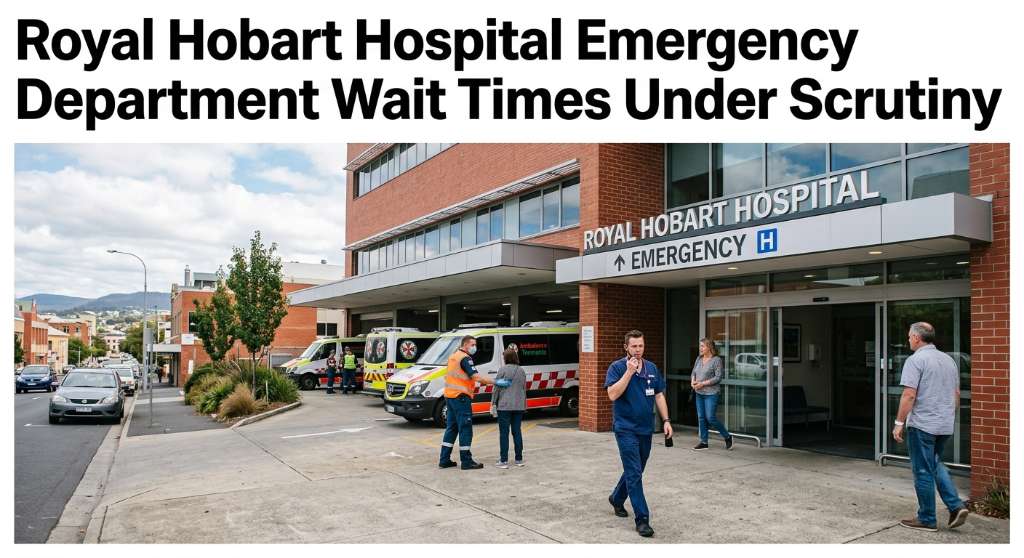
New figures have renewed concerns about emergency department delays at Royal Hobart Hospital, with the health system facing questions over patient waiti...
Central Coast New South Wales · Health News · 10 Sep 2026
The design for new Key Health Worker Accommodation at Wyong has been released today, with the project aimed at helping address the need for suitable accommodation for healthcare...
New workplace data shows staff absenteeism jumped sharply during the historic MCG NFL event, while Melbourne businesses also benefited from a major spen...
Cairns Regional Council has unanimously voted to seek $400,000 in Queensland Government funding for a program designed to connect local businesses with the region’s growing film...
An automated external defibrillator and memorial plaque have been installed at Ellery Creek Big Hole following the death of disability advocate Ellen Fr...
Queensland firefighters spent several hours monitoring a significant grass fire at Mary Kinross Park in Bargara, near Bundaberg, after the blaze broke out on Wednesday evening....