Safety note: Admin approval is an initial review, not a guarantee that every detail is correct. Check important or urgent claims with official sources and report anything inaccurate or unsafe.
Source and credit: Contributor's own report
VCAT Rejects Rutherglen Roadhouse Proposal Over Flood and Biodiversity Risks - Wodonga, VIC
Smart summary
A proposed roadside service station and roadhouse development near Rutherglen has been rejected by the Victorian Civil and Administrative Tribunal (VCAT) after concerns were raised about flood risks, environmental imp...
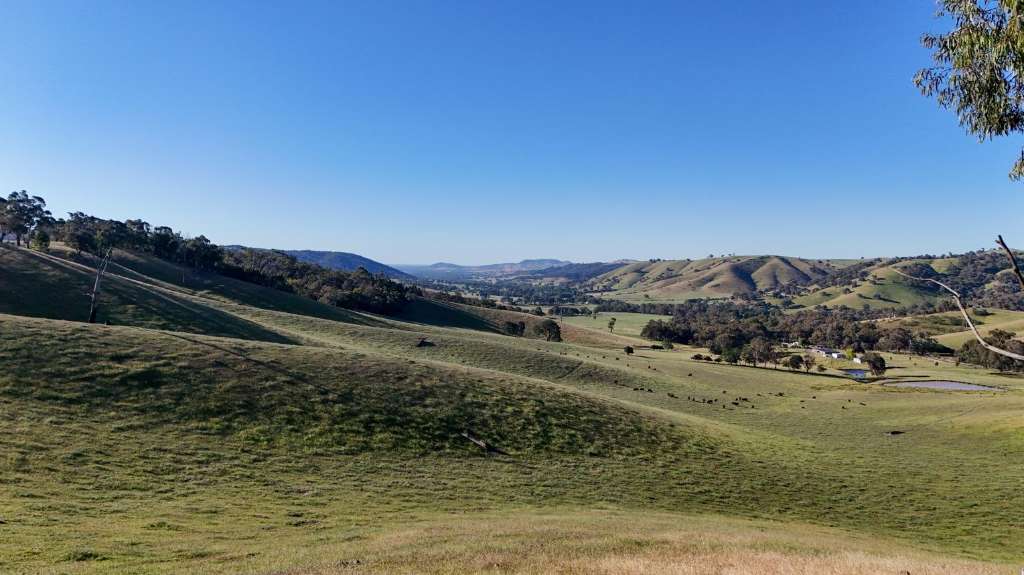
A proposed roadhouse development near Rutherglen in north-east Victoria has been refused after the Victorian Civil and Administrative Tribunal (VCAT) found that the project posed unacceptable risks relating to flooding, biodiversity and environmental impacts.
The application sought approval for a new roadside business facility intended to provide services for motorists and visitors travelling through the Rutherglen area. However, the proposal faced objections over the suitability of the site, particularly concerns about flood-prone land and potential impacts on surrounding natural areas. (Border Mail)
VCAT considered evidence relating to the location’s environmental characteristics, including the potential effect of development on flood behaviour, native vegetation and biodiversity values. The tribunal determined that the risks associated with the proposal outweighed the potential benefits of allowing the development to proceed. (Border Mail)
Flood risk was a key factor in the decision. Development in areas affected by flooding requires careful assessment to ensure buildings, infrastructure and surrounding properties are not placed at increased risk during major rainfall events. Victorian planning decisions regularly consider whether proposed developments are appropriately located and designed to manage potential flood impacts. (Victorian Ombudsman)
The tribunal also examined biodiversity concerns, including possible impacts on native vegetation and habitat values. Environmental considerations are an important part of Victorian planning assessments, particularly where developments may affect sensitive landscapes or ecosystems. (Agriculture Victoria)
Supporters of the development had argued that a roadhouse could provide additional services, economic activity and convenience for locals and travellers. However, VCAT determined that the environmental and planning concerns could not be adequately addressed through conditions or modifications to the proposal. (Border Mail)
The decision highlights the challenges faced by developers seeking approval for projects located in rural and environmentally sensitive areas. While regional communities often welcome new businesses and investment, planning authorities must balance economic opportunities with protection of landscapes, waterways and community safety.
Rutherglen and the surrounding Indigo Shire region are known for agriculture, tourism and natural environments. Planning decisions in the area often involve balancing growth with protection of the region’s rural character and environmental assets.
VCAT decisions can provide guidance for future developments by showing how factors such as flood management, biodiversity protection and land suitability are considered during planning reviews. Developers are generally required to demonstrate that proposed projects can operate safely without causing unacceptable impacts on surrounding communities or ecosystems.
The rejection of the roadhouse proposal reflects the importance of considering long-term environmental risks when approving new infrastructure. Flooding patterns, climate conditions and biodiversity protection continue to be major considerations in regional planning across Victoria.
The decision does not prevent future development in the area but indicates that proposals must meet planning requirements and address environmental concerns before approval can be granted.
PlanningEnvironmentalBiodiversityDevelopmentFlood
A proposed roadhouse development near Rutherglen in north-east Victoria has been refused after the Victorian Civil and Administrative Tribunal (VCAT) found that the project posed unacceptable risks relating to flooding, biodiversity and environmental impacts.
The application sought approval for a new roadside business facility intended to provide services for motorists and visitors travelling through the Rutherglen area. However, the proposal faced objections over the suitability of the site, particularly concerns about flood-prone land and potential impacts on surrounding natural areas. (Border Mail)
VCAT considered evidence relating to the location’s environmental characteristics, including the potential effect of development on flood behaviour, native vegetation and biodiversity values. The tribunal determined that the risks associated with the proposal outweighed the potential benefits of allowing the development to proceed. (Border Mail)
Flood risk was a key factor in the decision. Development in areas affected by flooding requires careful assessment to ensure buildings, infrastructure and surrounding properties are not placed at increased risk during major rainfall events. Victorian planning decisions regularly consider whether proposed developments are appropriately located and designed to manage potential flood impacts. (Victorian Ombudsman)
The tribunal also examined biodiversity concerns, including possible impacts on native vegetation and habitat values. Environmental considerations are an important part of Victorian planning assessments, particularly where developments may affect sensitive landscapes or ecosystems. (Agriculture Victoria)
Supporters of the development had argued that a roadhouse could provide additional services, economic activity and convenience for locals and travellers. However, VCAT determined that the environmental and planning concerns could not be adequately addressed through conditions or modifications to the proposal. (Border Mail)
The decision highlights the challenges faced by developers seeking approval for projects located in rural and environmentally sensitive areas. While regional communities often welcome new businesses and investment, planning authorities must balance economic opportunities with protection of landscapes, waterways and community safety.
Rutherglen and the surrounding Indigo Shire region are known for agriculture, tourism and natural environments. Planning decisions in the area often involve balancing growth with protection of the region’s rural character and environmental assets.
VCAT decisions can provide guidance for future developments by showing how factors such as flood management, biodiversity protection and land suitability are considered during planning reviews. Developers are generally required to demonstrate that proposed projects can operate safely without causing unacceptable impacts on surrounding communities or ecosystems.
The rejection of the roadhouse proposal reflects the importance of considering long-term environmental risks when approving new infrastructure. Flooding patterns, climate conditions and biodiversity protection continue to be major considerations in regional planning across Victoria.
The decision does not prevent future development in the area but indicates that proposals must meet planning requirements and address environmental concerns before approval can be granted.
A vehicle has crashed into a house in Albury, prompting police attendance at a residential property near the intersection of Mate and North streets. The incident was reported to...
A high-profile athlete has returned to court and told the hearing that an alleged unwanted kiss by former broadcaster Alan Jones remained difficult to f...
Work on the $150 million Sydney Town Hall Square project has been paused after the NSW Planning Minister referred the development for review by the Inde...
New workplace data shows staff absenteeism jumped sharply during the historic MCG NFL event, while Melbourne businesses also benefited from a major spen...
Cairns Regional Council has unanimously voted to seek $400,000 in Queensland Government funding for a program designed to connect local businesses with the region’s growing film...
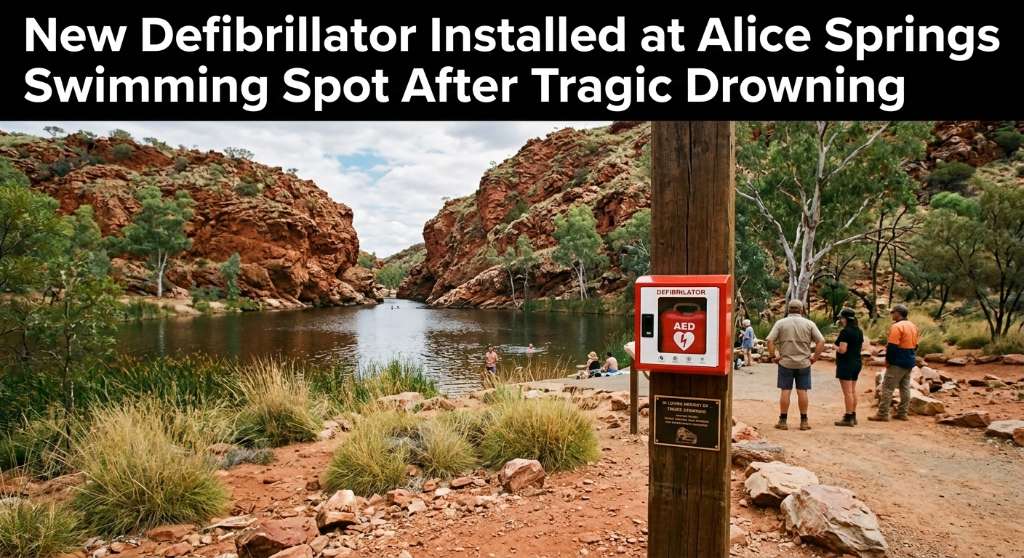
An automated external defibrillator and memorial plaque have been installed at Ellery Creek Big Hole following the death of disability advocate Ellen Fr...
Queensland firefighters spent several hours monitoring a significant grass fire at Mary Kinross Park in Bargara, near Bundaberg, after the blaze broke out on Wednesday evening....