Safety note: Admin approval is an initial review, not a guarantee that every detail is correct. Check important or urgent claims with official sources and report anything inaccurate or unsafe.
Source and credit: Contributor's own report
Lismore Community Calls for Protection of Historic Gwalia House - Lismore, NSW
Smart summary
Residents rally to save North Lismore heritage building affected by flood recovery works
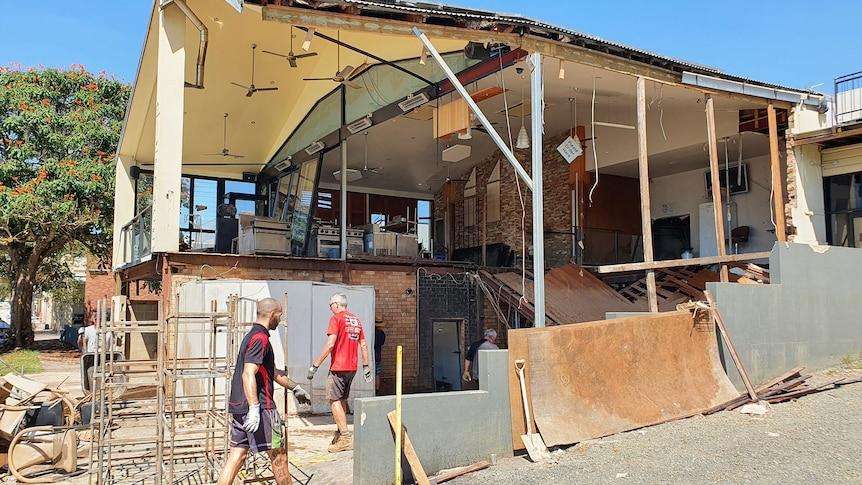
Community members in Lismore, New South Wales have gathered to call for the protection of Gwalia House, a historic timber building in North Lismore that has become part of ongoing discussions about heritage preservation and flood recovery. The community rally focused on preserving the building’s cultural value and ensuring local voices are considered in future decisions.
Gwalia House, located on Coleman Street, is a three-storey timber structure built in the 1920s and is considered an important part of North Lismore’s history. The building was significantly affected during the devastating 2022 floods and has since been included in discussions surrounding recovery, demolition and property resilience programs.
Residents attending the rally said the building represents more than just a physical structure, describing it as a symbol of Lismore’s history and community identity. They called for stronger community involvement in decisions about heritage buildings affected by recovery programs.
The debate comes as Lismore continues its long-term recovery following the catastrophic flooding experienced in 2022. The floods caused widespread damage across the city, affecting thousands of homes, businesses and community buildings. Recovery efforts have included rebuilding infrastructure, improving flood resilience and making difficult decisions about properties located in high-risk areas.
Supporters of preserving Gwalia House argue that historic buildings provide important links to the past and contribute to the character of local communities. They believe heritage conservation can play a role in maintaining Lismore’s identity while the city rebuilds for the future.
Authorities and recovery agencies face complex challenges when managing flood-affected properties. Decisions must consider safety, structural conditions, environmental risks and the wishes of property owners and residents.
The discussion around Gwalia House reflects broader conversations across Lismore about what recovery should look like after a major natural disaster. Many residents have advocated for a recovery approach that balances resilience improvements with protecting important community landmarks.
Lismore remains focused on rebuilding as a stronger and more flood-resilient regional centre. Community groups continue to play an important role in shaping discussions about the city’s future, including housing, heritage, business recovery and public spaces.
The future of Gwalia House remains uncertain, with further assessments and discussions expected before a final decision is made regarding preservation, relocation or demolition.
LismoreRecoveryCommunityGwaliaHouse
Community members in Lismore, New South Wales have gathered to call for the protection of Gwalia House, a historic timber building in North Lismore that has become part of ongoing discussions about heritage preservation and flood recovery. The community rally focused on preserving the building’s cultural value and ensuring local voices are considered in future decisions.
Gwalia House, located on Coleman Street, is a three-storey timber structure built in the 1920s and is considered an important part of North Lismore’s history. The building was significantly affected during the devastating 2022 floods and has since been included in discussions surrounding recovery, demolition and property resilience programs.
Residents attending the rally said the building represents more than just a physical structure, describing it as a symbol of Lismore’s history and community identity. They called for stronger community involvement in decisions about heritage buildings affected by recovery programs.
The debate comes as Lismore continues its long-term recovery following the catastrophic flooding experienced in 2022. The floods caused widespread damage across the city, affecting thousands of homes, businesses and community buildings. Recovery efforts have included rebuilding infrastructure, improving flood resilience and making difficult decisions about properties located in high-risk areas.
Supporters of preserving Gwalia House argue that historic buildings provide important links to the past and contribute to the character of local communities. They believe heritage conservation can play a role in maintaining Lismore’s identity while the city rebuilds for the future.
Authorities and recovery agencies face complex challenges when managing flood-affected properties. Decisions must consider safety, structural conditions, environmental risks and the wishes of property owners and residents.
The discussion around Gwalia House reflects broader conversations across Lismore about what recovery should look like after a major natural disaster. Many residents have advocated for a recovery approach that balances resilience improvements with protecting important community landmarks.
Lismore remains focused on rebuilding as a stronger and more flood-resilient regional centre. Community groups continue to play an important role in shaping discussions about the city’s future, including housing, heritage, business recovery and public spaces.
The future of Gwalia House remains uncertain, with further assessments and discussions expected before a final decision is made regarding preservation, relocation or demolition.
A Bendigo-based migration agent has raised concerns about proposed changes to Australia’s migration system, saying the federal government’s planned reduction in net migration co...
Bendigo Foodshare is seeking additional volunteers ahead of its annual Spring Book Fair, with multiple shifts still available during the AFL Grand Final long weekend. The local...
An automated external defibrillator and memorial plaque have been installed at Ellery Creek Big Hole following the death of disability advocate Ellen Fr...
Bathurst New South Wales · Community News · 17 Sep 2026
Kerry “Pecky” Peck, a long-standing Bathurst radio personality, has been inducted into the Bathurst Business Hall of Fame in recognition of his extensive contribution to the loc...
A 21-year-old man has been charged after investigators allege more than $2 million in suspected criminal proceeds moved through high-frequency, low-valu...
An investigation has raised questions about what happened after NSW's building regulator disciplined a major developer and prepared a public statement a...
Darwin Northern Territory · Crime News · 18 Sep 2026
Northern Territory Police are appealing for information to help locate Lachlan Burgess, a Territory man reported missing in the Northern Territory.making it a current Darwin-are...
Darwin Northern Territory · Crime News · 18 Sep 2026
Northern Territory Police are investigating the death of a 28-year-old woman at a home in Malak, Darwin, with a 25-year-old man charged in connection with alleged assaults and b...
Central Coast New South Wales · Business News · 18 Sep 2026
More than 130 oyster-lease operators on the Central Coast are set to benefit from reforms announced by the NSW Government, with the changes designed to provide greater certainty...
Central Coast New South Wales · Crime News · 18 Sep 2026
A man has been charged following a police investigation into alleged detaining and assault offences on the Central Coast, according to a report published by Coast Community News...