Safety note: Admin approval is an initial review, not a guarantee that every detail is correct. Check important or urgent claims with official sources and report anything inaccurate or unsafe.
Source and credit: Contributor's own report
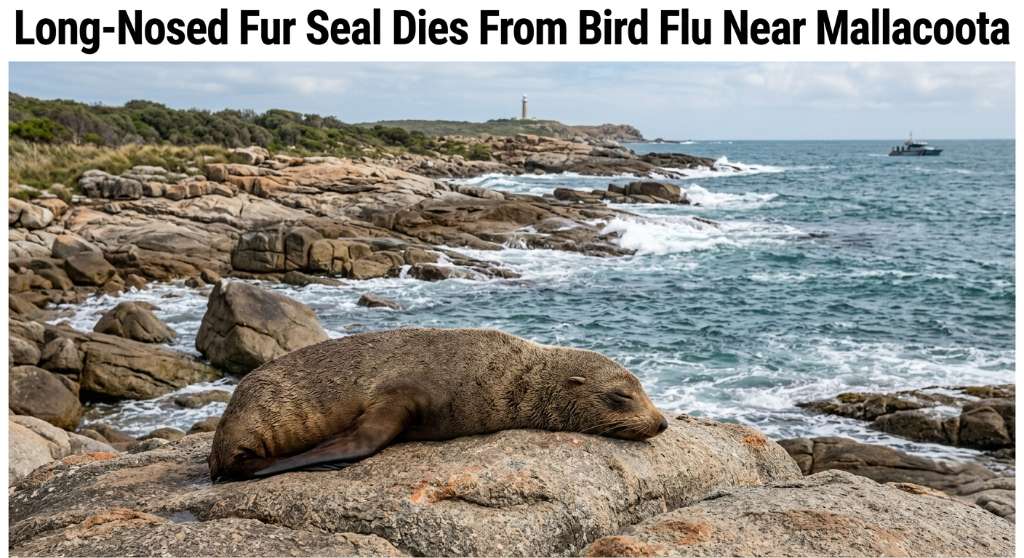
Long-Nosed Fur Seal Dies From Bird Flu Near Mallacoota - Mallacoota, VIC
Smart summary
A long-nosed fur seal has died from H5 bird flu on Gabo Island near Mallacoota, with authorities monitoring wildlife and warning people to keep their distance from sick marine mammals.
A long-nosed fur seal has been confirmed to have died from H5 bird flu on Gabo Island, near Mallacoota in eastern Victoria, prompting continued wildlife monitoring and public health advice from authorities. The discovery is part of a growing number of confirmed bird flu cases involving marine mammals in Australia.
The seal was first identified following reports from members of the community last week. Specialist veterinarians were subsequently sent to Gabo Island to examine the animal and collect samples. Testing confirmed that the seal had been infected with H5 bird flu. Authorities said the animal was one of two seals whose deaths have so far been confirmed as being linked to the virus.
The Department of Energy, Environment and Climate Action is continuing to monitor wildlife populations in the area as part of its response. Monitoring is important because bird flu can affect a range of animal species, and authorities are watching for further signs of illness among marine mammals and other wildlife.
Authorities have also issued safety advice for members of the public who encounter sick or injured marine mammals. People are being urged to stay at least 30 metres away from unwell marine mammals and to keep children and pets away from the animals. The advice is intended to reduce the risk of people or domestic animals coming into close contact with potentially infected wildlife.
Gabo Island is located off the far eastern Victorian coast near Mallacoota and is an important habitat for marine and bird species. The detection highlights the need for continued observation of wildlife in coastal areas, particularly when unusual animal deaths or signs of illness are reported.
The confirmation also demonstrates the role of community reporting in identifying wildlife health concerns. In this case, reports about the seal allowed specialists to investigate the animal and collect samples for laboratory testing. Authorities are continuing to assess wildlife populations rather than assuming that every sick or deceased marine mammal has the same cause.
For people visiting beaches and coastal areas around Mallacoota, the key precaution is to avoid approaching sick, injured or dead marine mammals. Keeping pets and children away from affected animals can also help reduce unnecessary contact with wildlife while authorities continue their monitoring program.
The latest case adds to Australia's ongoing wildlife surveillance for H5 bird flu and provides another reminder that unusual wildlife deaths should be reported rather than handled directly by members of the public. Authorities will continue monitoring the situation around Gabo Island and the wider Gippsland region for further signs of disease.
WildlifeAuthoritiesBirdMarineAnimal
A long-nosed fur seal has been confirmed to have died from H5 bird flu on Gabo Island, near Mallacoota in eastern Victoria, prompting continued wildlife monitoring and public health advice from authorities. The discovery is part of a growing number of confirmed bird flu cases involving marine mammals in Australia.
The seal was first identified following reports from members of the community last week. Specialist veterinarians were subsequently sent to Gabo Island to examine the animal and collect samples. Testing confirmed that the seal had been infected with H5 bird flu. Authorities said the animal was one of two seals whose deaths have so far been confirmed as being linked to the virus.
The Department of Energy, Environment and Climate Action is continuing to monitor wildlife populations in the area as part of its response. Monitoring is important because bird flu can affect a range of animal species, and authorities are watching for further signs of illness among marine mammals and other wildlife.
Authorities have also issued safety advice for members of the public who encounter sick or injured marine mammals. People are being urged to stay at least 30 metres away from unwell marine mammals and to keep children and pets away from the animals. The advice is intended to reduce the risk of people or domestic animals coming into close contact with potentially infected wildlife.
Gabo Island is located off the far eastern Victorian coast near Mallacoota and is an important habitat for marine and bird species. The detection highlights the need for continued observation of wildlife in coastal areas, particularly when unusual animal deaths or signs of illness are reported.
The confirmation also demonstrates the role of community reporting in identifying wildlife health concerns. In this case, reports about the seal allowed specialists to investigate the animal and collect samples for laboratory testing. Authorities are continuing to assess wildlife populations rather than assuming that every sick or deceased marine mammal has the same cause.
For people visiting beaches and coastal areas around Mallacoota, the key precaution is to avoid approaching sick, injured or dead marine mammals. Keeping pets and children away from affected animals can also help reduce unnecessary contact with wildlife while authorities continue their monitoring program.
The latest case adds to Australia's ongoing wildlife surveillance for H5 bird flu and provides another reminder that unusual wildlife deaths should be reported rather than handled directly by members of the public. Authorities will continue monitoring the situation around Gabo Island and the wider Gippsland region for further signs of disease.
Hamilton in western Victoria has become the location of Specsavers’ 400th Australian store, with the new regional outlet officially opening as the company expands its eye-care s...
Twenty new emergency department beds at Melbourne's Royal Children's Hospital are expected to remain unused because funding has not been provided for th...
A sharp rise in influenza cases is putting sustained pressure on Albury Wodonga Health, with doctors asked to consider earlier discharges and alternativ...
New funding from local charity Wishlist is improving communication support for patients at Bundaberg Hospital, with resources designed to help people communicate more effectivel...
A Chinese private processor has purchased 68,000 tonnes of new-season Australian canola for shipment in March, marking the first known private-sector pu...
A British traveller was left behind at a remote South Australian roadside stop after her Greyhound bus departed during a scheduled overnight break near...
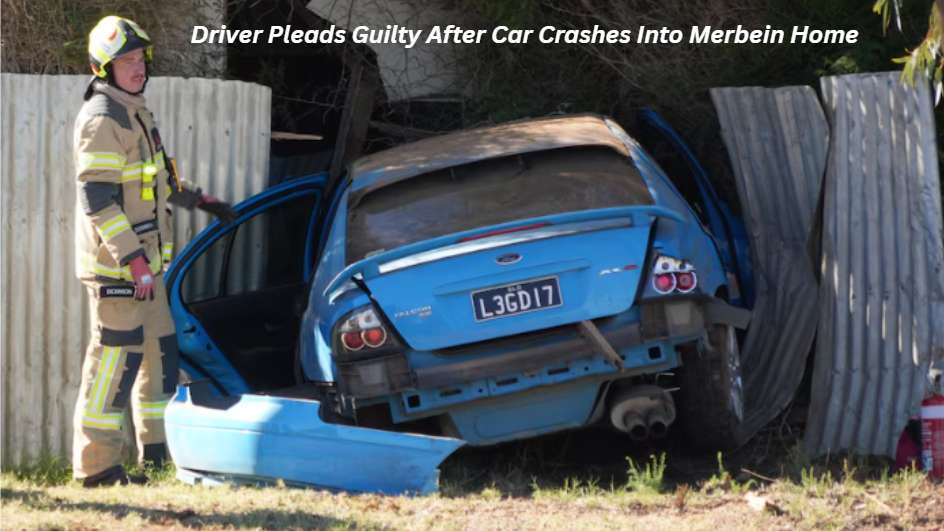
A Victorian man has pleaded guilty to multiple driving offences after crashing through a power pole and into a Merbein home, causing more than $180,000...
Rose Tattoo frontman Gary “Angry” Anderson has died at 79 after a five-decade career spanning Australian rock music, television, film and youth advocacy.
A Chinese private processor has purchased 68,000 tonnes of new-season Australian canola for shipment in March, marking the first known private-sector pu...
A new Cooperative Research Centre based at the University of Queensland's Brisbane city campus will bring researchers, industry and government together...
A British traveller was left behind at a remote South Australian roadside stop after her Greyhound bus departed during a scheduled overnight break near...