Loxton Man Jailed for Stealing More Than $12,000 Worth of Goods From Local Businesses
By Chloe · Published 30 Oct 2026 · Updated 30 Oct 2026
Loxton, SA
Safety note: Admin approval is an initial review, not a guarantee that every detail is correct. Check important or urgent claims with official sources and report anything inaccurate or unsafe.
Source and credit: Contributor's own report
Loxton Man Jailed for Stealing More Than $12,000 Worth of Goods From Local Businesses - Loxton, SA
Smart summary
A 37-year-old man has been sentenced to more than a year in prison after admitting to two business break-ins involving stolen tools, batteries and furniture worth over $12,000.
A 37-year-old man from Loxton in South Australia has been sentenced to imprisonment after stealing more than $12,000 worth of goods from two local businesses. The court decision was reported on 30 October 2026 following proceedings at the Berri Magistrates Court.
The accused, Sam Carter, appeared before the court through a video link from custody. He pleaded guilty to two counts of serious criminal trespass and two counts of dishonestly taking property.
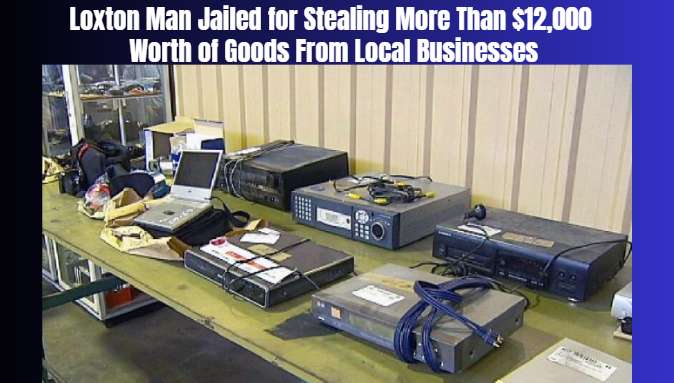
The offences involved two separate businesses in the Riverland region. One incident occurred at a local Viterra site, where Carter stole tools, batteries and other equipment valued at more than $3,000. The stolen items were associated with the site's operational equipment and business activities.
The second incident involved Riverbend Furniture in Loxton. The court heard that goods worth just under $9,000 were stolen from the furniture business.
Together, the two incidents resulted in losses exceeding $12,000. The thefts affected local businesses that depend on their equipment, stock and property to maintain daily operations.
During the court proceedings, Magistrate Jay Pandya considered the seriousness of the offences, the guilty pleas and the accused's prospects of rehabilitation.
The magistrate determined that Carter's chances of rehabilitation were poor and that imprisonment was the only appropriate penalty in the circumstances.
Carter was sentenced to one year, three months and 11 days in prison. The court also imposed a non-parole period of eight months, meaning he must serve at least that period before becoming eligible to apply for parole, subject to the applicable release process.
The case highlights the financial and operational impact that business theft can have on regional communities. Smaller businesses often rely on valuable equipment, tools and stock to serve customers and maintain their operations. When these items are stolen, owners can face replacement expenses, insurance complications and interruptions to their work.
The theft of equipment can also affect employees and other businesses that depend on local suppliers and service providers. For agricultural and industrial operations, missing tools and batteries may create additional difficulties in maintaining machinery and completing scheduled work.
Police investigations and court proceedings play an important role in addressing property-related offences and holding offenders accountable under the law.
The sentencing decision sends a clear message about the seriousness of repeated commercial break-ins and dishonestly taking business property.
The case is another example of the challenges faced by regional businesses in protecting their premises and valuable equipment. Local businesses continue to depend on effective security measures and cooperation with authorities to reduce theft and protect their operations.
BusinessesCourtEquipmentBusinessCarter
A 37-year-old man from Loxton in South Australia has been sentenced to imprisonment after stealing more than $12,000 worth of goods from two local businesses. The court decision was reported on 30 October 2026 following proceedings at the Berri Magistrates Court.
The accused, Sam Carter, appeared before the court through a video link from custody. He pleaded guilty to two counts of serious criminal trespass and two counts of dishonestly taking property.
The offences involved two separate businesses in the Riverland region. One incident occurred at a local Viterra site, where Carter stole tools, batteries and other equipment valued at more than $3,000. The stolen items were associated with the site's operational equipment and business activities.
The second incident involved Riverbend Furniture in Loxton. The court heard that goods worth just under $9,000 were stolen from the furniture business.
Together, the two incidents resulted in losses exceeding $12,000. The thefts affected local businesses that depend on their equipment, stock and property to maintain daily operations.
During the court proceedings, Magistrate Jay Pandya considered the seriousness of the offences, the guilty pleas and the accused's prospects of rehabilitation.
The magistrate determined that Carter's chances of rehabilitation were poor and that imprisonment was the only appropriate penalty in the circumstances.
Carter was sentenced to one year, three months and 11 days in prison. The court also imposed a non-parole period of eight months, meaning he must serve at least that period before becoming eligible to apply for parole, subject to the applicable release process.
The case highlights the financial and operational impact that business theft can have on regional communities. Smaller businesses often rely on valuable equipment, tools and stock to serve customers and maintain their operations. When these items are stolen, owners can face replacement expenses, insurance complications and interruptions to their work.
The theft of equipment can also affect employees and other businesses that depend on local suppliers and service providers. For agricultural and industrial operations, missing tools and batteries may create additional difficulties in maintaining machinery and completing scheduled work.
Police investigations and court proceedings play an important role in addressing property-related offences and holding offenders accountable under the law.
The sentencing decision sends a clear message about the seriousness of repeated commercial break-ins and dishonestly taking business property.
The case is another example of the challenges faced by regional businesses in protecting their premises and valuable equipment. Local businesses continue to depend on effective security measures and cooperation with authorities to reduce theft and protect their operations.
A psychiatric report presented to South Australia's Supreme Court has raised questions about Tamika Chesser's mental competence in the case involving th...
Eight people have died in separate road crashes across Victoria during the Melbourne Cup long weekend, with four of the fatal incidents involving motorc...
New South Wales has begun accepting firearms under the national gun buyback scheme, but limited appointment availability has created an early challenge...
A fisherman escaped unharmed after a large crocodile climbed onto his boat while he was fishing alone on the Mary River, prompting renewed safety warnin...
A filmmaker from Bourke in western New South Wales has taken over leadership of an Indigenous film festival in Paris, creating an opportunity to bring A...
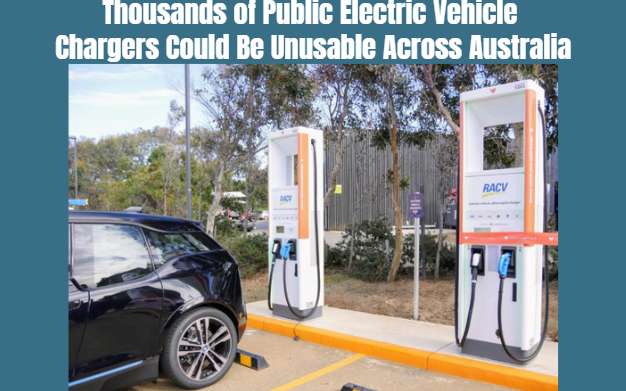
Concerns are growing over the reliability and availability of Australia's public electric vehicle charging network, with thousands of charging points po...
Indigenous women are using traditional weaving and craft-making to strengthen cultural connections, preserve knowledge passed down through generations a...
A psychiatric report presented to South Australia's Supreme Court has raised questions about Tamika Chesser's mental competence in the case involving th...
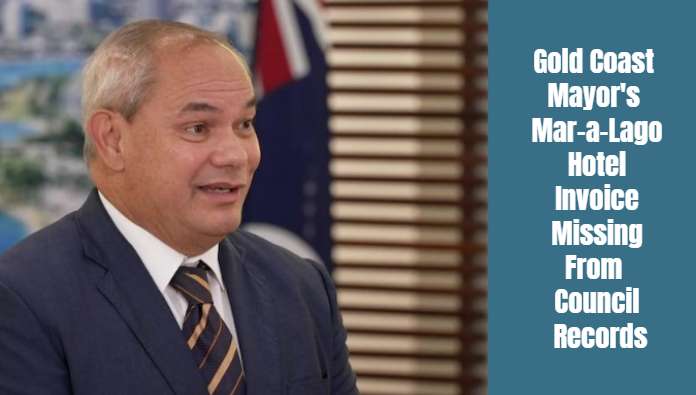
A freedom of information request has revealed that Gold Coast Council does not hold a copy of the invoice for Mayor Tom Tate's three-day stay at Donald...