Mining town denied new Coles store as watchdog flexes new competition powers
By Neha Maurya · Published 01 Jul 2026 · Updated 01 Jul 2026
Mandurah, Western Australia · Western Australia News
Safety note: Admin approval is an initial review, not a guarantee that every detail is correct. Check important or urgent claims with official sources and report anything inaccurate or unsafe.
Source and credit: Contributor's own report
Mining town denied new Coles store as watchdog flexes new competition powers - Mandurah, Western Australia
Smart summary
A Western Australian mining town (Kalgoorlie) has been blocked from getting a second Coles supermarket, after the ACCC ruled the expansion could reduce competition and harm smaller independent grocers.
A major decision by Australia’s competition regulator has stopped supermarket giant Coles from opening a second store in the mining hub of Kalgoorlie, marking one of the first high-profile uses of expanded watchdog powers to intervene in supermarket expansion plans.
The Australian Competition and Consumer Commission (ACCC) found that allowing a new Coles supermarket and associated Liquorland outlet would likely substantially lessen competition in the region and could lead to the closure of smaller independent grocery businesses.
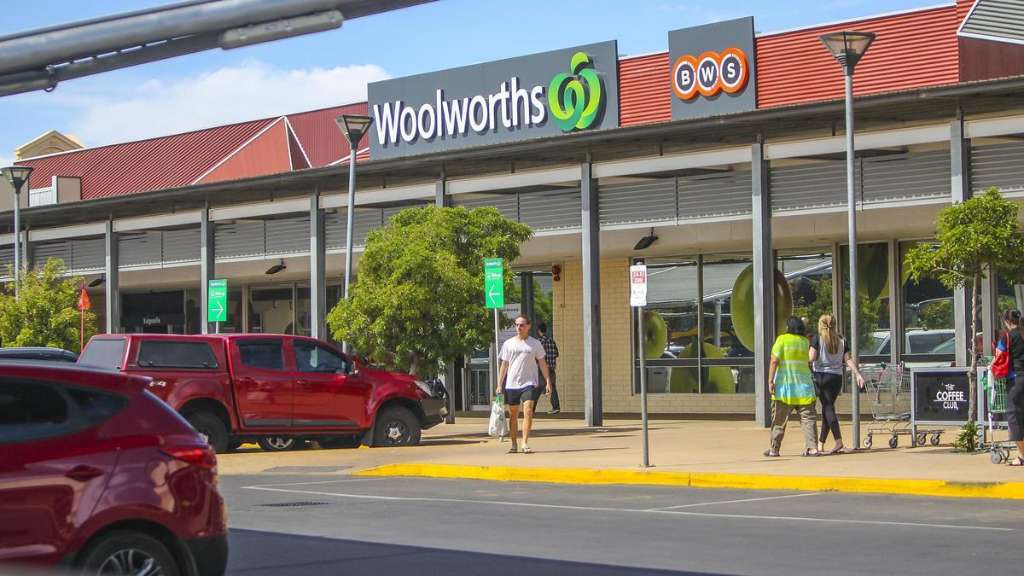
Kalgoorlie already has a strong supermarket presence, including Coles, Woolworths, two IGAs, and independent grocers, meaning the market is relatively well serviced compared to many regional towns. Regulators argued that introducing another Coles store could shift pricing pressure and market share in a way that disadvantages smaller operators who rely on limited local customer bases.
The ACCC’s decision is being seen as a significant test of its new competition assessment powers, which allow it to more closely scrutinise supermarket expansion and acquisitions in regional Australia. Officials said the ruling was aimed at protecting long-term competition rather than blocking development outright.
ACCC Deputy Chair Mick Keogh said the regulator was satisfied that the proposed expansion would likely reduce competition over time, even if it offered short-term convenience benefits for consumers. He emphasised that independent supermarkets play an important role in keeping prices, service, and product range competitive in regional markets.
Coles, however, strongly opposed the decision. The company argued the new store would have supported local jobs, improved product availability, and increased online delivery capacity, particularly for the town’s growing population and fly-in fly-out (FIFO) workforce linked to the mining industry.
The retailer also claimed the regulator underestimated Kalgoorlie’s ongoing growth and demand pressures, pointing out that supermarket capacity in the region remains comparable to other similar-sized regional centres. Coles said blocking the store limited consumer choice and prevented investment in a vacant development site.
The decision highlights an ongoing national debate about the dominance of major supermarket chains in Australia. Kalgoorlie is often cited as an example of a regional market already serviced by multiple large operators, raising questions about when additional competition becomes beneficial versus harmful to smaller businesses.
Industry observers say the ruling could influence future supermarket expansion plans across regional Australia, especially in towns where Coles and Woolworths already dominate local grocery supply. It also reflects increasing regulatory attention on market concentration and potential “over-saturation” in certain areas.
Community reaction has been mixed. Some residents believe another store would have improved convenience and reduced congestion at existing supermarkets, while others argue that protecting independent grocers is essential to maintaining long-term choice and price competition.
For now, Coles will not proceed with the second store in Kalgoorlie, and the site remains unused while the company considers its next steps.
The case is expected to become a reference point for future ACCC decisions involving supermarket expansion in regional and remote Australia.
ColesCompetitionSupermarketRegionalStore
A major decision by Australia’s competition regulator has stopped supermarket giant Coles from opening a second store in the mining hub of Kalgoorlie, marking one of the first high-profile uses of expanded watchdog powers to intervene in supermarket expansion plans.
The Australian Competition and Consumer Commission (ACCC) found that allowing a new Coles supermarket and associated Liquorland outlet would likely substantially lessen competition in the region and could lead to the closure of smaller independent grocery businesses.
Kalgoorlie already has a strong supermarket presence, including Coles, Woolworths, two IGAs, and independent grocers, meaning the market is relatively well serviced compared to many regional towns. Regulators argued that introducing another Coles store could shift pricing pressure and market share in a way that disadvantages smaller operators who rely on limited local customer bases.
The ACCC’s decision is being seen as a significant test of its new competition assessment powers, which allow it to more closely scrutinise supermarket expansion and acquisitions in regional Australia. Officials said the ruling was aimed at protecting long-term competition rather than blocking development outright.
ACCC Deputy Chair Mick Keogh said the regulator was satisfied that the proposed expansion would likely reduce competition over time, even if it offered short-term convenience benefits for consumers. He emphasised that independent supermarkets play an important role in keeping prices, service, and product range competitive in regional markets.
Coles, however, strongly opposed the decision. The company argued the new store would have supported local jobs, improved product availability, and increased online delivery capacity, particularly for the town’s growing population and fly-in fly-out (FIFO) workforce linked to the mining industry.
The retailer also claimed the regulator underestimated Kalgoorlie’s ongoing growth and demand pressures, pointing out that supermarket capacity in the region remains comparable to other similar-sized regional centres. Coles said blocking the store limited consumer choice and prevented investment in a vacant development site.
The decision highlights an ongoing national debate about the dominance of major supermarket chains in Australia. Kalgoorlie is often cited as an example of a regional market already serviced by multiple large operators, raising questions about when additional competition becomes beneficial versus harmful to smaller businesses.
Industry observers say the ruling could influence future supermarket expansion plans across regional Australia, especially in towns where Coles and Woolworths already dominate local grocery supply. It also reflects increasing regulatory attention on market concentration and potential “over-saturation” in certain areas.
Community reaction has been mixed. Some residents believe another store would have improved convenience and reduced congestion at existing supermarkets, while others argue that protecting independent grocers is essential to maintaining long-term choice and price competition.
For now, Coles will not proceed with the second store in Kalgoorlie, and the site remains unused while the company considers its next steps.
The case is expected to become a reference point for future ACCC decisions involving supermarket expansion in regional and remote Australia.
The Western Australia Supreme Court has dismissed a $2.6 million claim brought by engineering companies over alleged damage to a commercial barge that w...
Australian shoppers and small businesses are preparing for changes to card-payment surcharges, with new Reserve Bank rules due to take effect from Octob...
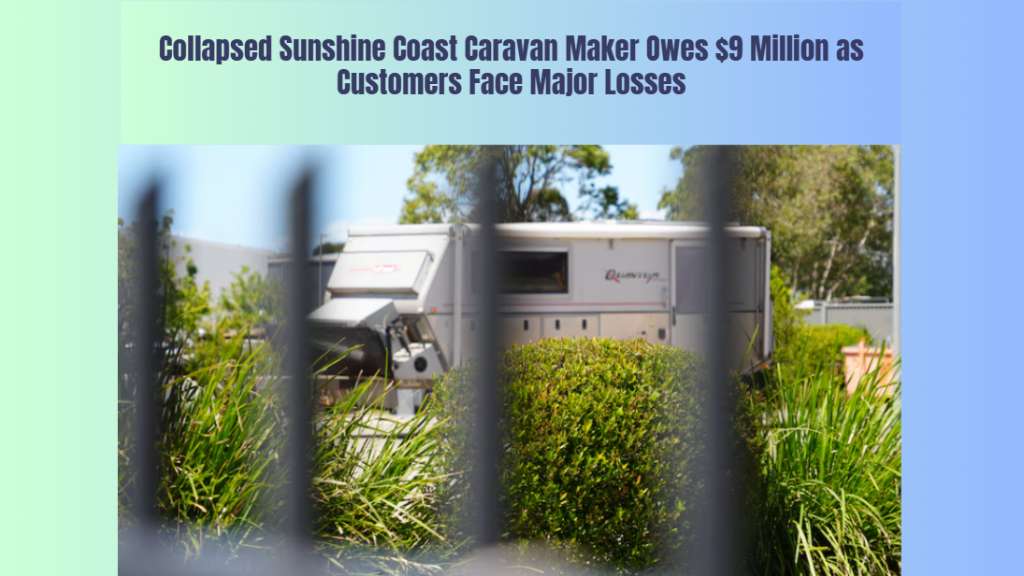
Administrators have revealed Australian Off Road owes about $9 million after the Sunshine Coast caravan manufacturer collapsed, leaving customers, emplo...
Bathurst New South Wales · Business News · 21 Sep 2026
Bathurst-based Bell Conveyancing has received three honours at the 2026 Carillon Business Awards, marking a significant recognition for the local business and its work in the re...
Geraldton is set to receive the Midwest region's first four-wheel-drive ambulance in October after concerns about emergency access to remote beaches, sa...
Heavy and near-record rainfall has inundated parts of Western Australia's Goldfields and Esperance region, damaging pastoral properties and forcing the...
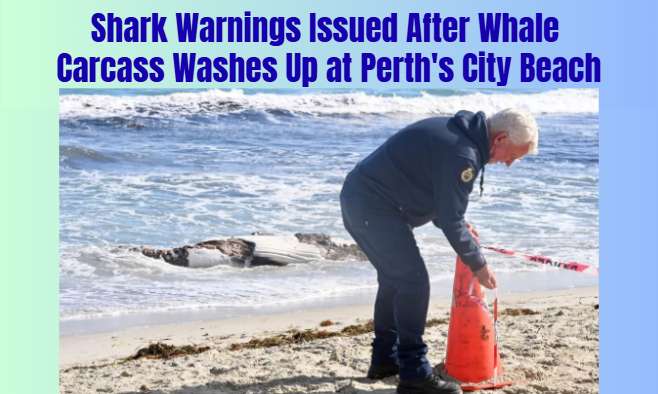
Several sharks have been spotted near a whale carcass that washed ashore at Perth's City Beach, prompting authorities to issue multiple warnings for swi...
Australian tennis player Talia Gibson has reached her first WTA Tour-level singles final at the Singapore Open after Tatiana Prozorova withdrew from the...
Essential bus services connecting Alice Springs with five remote communities have been reduced, with the operator warning that some routes could be canc...
Geraldton is set to receive the Midwest region's first four-wheel-drive ambulance in October after concerns about emergency access to remote beaches, sa...
Prime Minister Anthony Albanese says an agreement to secure the future of Tasmania's Bell Bay aluminium smelter is close, as the federal and state gover...
The Reserve Bank of Australia has increased the cash rate by 25 basis points to 4.6 per cent, while the federal government and opposition debate the cau...