Safety note: Admin approval is an initial review, not a guarantee that every detail is correct. Check important or urgent claims with official sources and report anything inaccurate or unsafe.
Source and credit: Contributor's own report
NDIS Participant Calls for Certainty Over Future Disability Supports - Central Coast, NSW
Smart summary
A Central Coast NDIS participant is calling for greater certainty and transparency around disability support changes, saying people living with disability need confidence that essential services will continue.
A National Disability Insurance Scheme (NDIS) participant on the Central Coast has called for more certainty about the future of disability supports as proposed reforms continue to create concern among people who rely on the scheme. The participant says many Australians living with disability are feeling anxious about possible changes and want clearer information about how future support decisions will affect their daily lives.
The NDIS was introduced to provide funding for reasonable and necessary supports for Australians with significant and permanent disabilities, helping participants access services, equipment, therapies and assistance to live more independently. The scheme is managed by the National Disability Insurance Agency (NDIA), while service quality and provider standards are overseen by the NDIS Quality and Safeguards Commission.
Participants and disability advocates have raised concerns about ongoing reforms aimed at making the NDIS financially sustainable. The federal government has proposed changes focused on controlling scheme growth, improving assessments and ensuring funding is directed towards people with significant and complex disability needs.
For many participants, the issue is not only about funding amounts but also about stability and planning for the future. Disability supports often become part of everyday routines, helping people access employment, education, healthcare, community activities and independent living opportunities. Any uncertainty around eligibility, budgets or services can create additional stress for participants and their families.
The Central Coast participant said people with disability need clear communication and reassurance about what changes mean for their individual circumstances. They highlighted that participants should be involved in discussions about reforms because they understand the practical impact of support decisions on their lives.
Disability advocates across Australia have also expressed concerns about ensuring reforms do not unintentionally remove essential assistance from people who need it. They argue that assessments must accurately recognise different types of disability, including conditions that may not always be visible but still significantly affect daily functioning.
Government officials have said reform is necessary to maintain the long-term sustainability of the NDIS while ensuring people with significant disability continue receiving appropriate support. Authorities have stated that changes are intended to improve fairness, reduce misuse and create a stronger system for future generations.
The discussion comes as communities across Australia continue to debate the future of disability services. Supporters of reform say the scheme must remain financially sustainable, while participants and advocates emphasise that changes must protect the independence and wellbeing of people already relying on NDIS assistance.
For the Central Coast community, the issue highlights the importance of accessible disability services and reliable support networks. Participants say they want certainty, consultation and a clear pathway forward so they can continue planning their lives with confidence.
The future of the NDIS remains a major national discussion, with governments, disability organisations and participants continuing to work through how the scheme can provide effective support while remaining sustainable.
DisabilityNdisParticipantsFuturePeople
A National Disability Insurance Scheme (NDIS) participant on the Central Coast has called for more certainty about the future of disability supports as proposed reforms continue to create concern among people who rely on the scheme. The participant says many Australians living with disability are feeling anxious about possible changes and want clearer information about how future support decisions will affect their daily lives.
The NDIS was introduced to provide funding for reasonable and necessary supports for Australians with significant and permanent disabilities, helping participants access services, equipment, therapies and assistance to live more independently. The scheme is managed by the National Disability Insurance Agency (NDIA), while service quality and provider standards are overseen by the NDIS Quality and Safeguards Commission.
Participants and disability advocates have raised concerns about ongoing reforms aimed at making the NDIS financially sustainable. The federal government has proposed changes focused on controlling scheme growth, improving assessments and ensuring funding is directed towards people with significant and complex disability needs.
For many participants, the issue is not only about funding amounts but also about stability and planning for the future. Disability supports often become part of everyday routines, helping people access employment, education, healthcare, community activities and independent living opportunities. Any uncertainty around eligibility, budgets or services can create additional stress for participants and their families.
The Central Coast participant said people with disability need clear communication and reassurance about what changes mean for their individual circumstances. They highlighted that participants should be involved in discussions about reforms because they understand the practical impact of support decisions on their lives.
Disability advocates across Australia have also expressed concerns about ensuring reforms do not unintentionally remove essential assistance from people who need it. They argue that assessments must accurately recognise different types of disability, including conditions that may not always be visible but still significantly affect daily functioning.
Government officials have said reform is necessary to maintain the long-term sustainability of the NDIS while ensuring people with significant disability continue receiving appropriate support. Authorities have stated that changes are intended to improve fairness, reduce misuse and create a stronger system for future generations.
The discussion comes as communities across Australia continue to debate the future of disability services. Supporters of reform say the scheme must remain financially sustainable, while participants and advocates emphasise that changes must protect the independence and wellbeing of people already relying on NDIS assistance.
For the Central Coast community, the issue highlights the importance of accessible disability services and reliable support networks. Participants say they want certainty, consultation and a clear pathway forward so they can continue planning their lives with confidence.
The future of the NDIS remains a major national discussion, with governments, disability organisations and participants continuing to work through how the scheme can provide effective support while remaining sustainable.
A large crocodile sighting near Rockhampton's proposed Olympic rowing venue has renewed concerns about public safety, wildlife management and the risks...
Indigenous women are using traditional weaving and craft-making to strengthen cultural connections, preserve knowledge passed down through generations a...
Education experts support New South Wales' proposal to replace computer-based NAPLAN writing tests with traditional pen-and-paper examinations for stude...
A pay dispute involving specialist electricity-market workers has escalated, with Australia's energy operator warning that industrial action could creat...
New South Wales has begun accepting firearms under the national gun buyback scheme, but limited appointment availability has created an early challenge...
Australian property values have fallen for seven consecutive months, with the national median home value dropping approximately $63,400 since March as h...
Education experts support New South Wales' proposal to replace computer-based NAPLAN writing tests with traditional pen-and-paper examinations for stude...
A psychiatric report presented to South Australia's Supreme Court has raised questions about Tamika Chesser's mental competence in the case involving th...
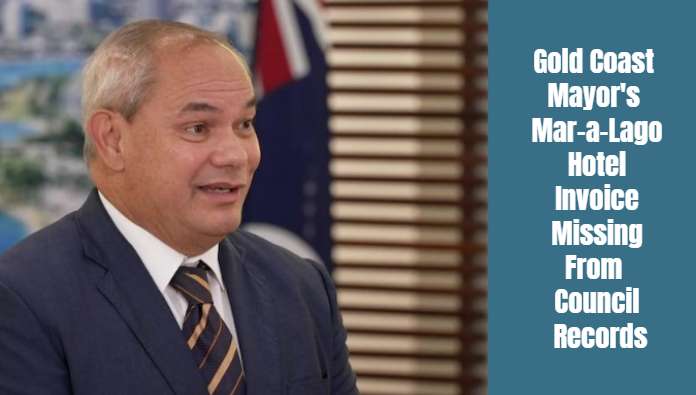
A freedom of information request has revealed that Gold Coast Council does not hold a copy of the invoice for Mayor Tom Tate's three-day stay at Donald...