Safety note: Admin approval is an initial review, not a guarantee that every detail is correct. Check important or urgent claims with official sources and report anything inaccurate or unsafe.
Source and credit: Contributor's own report
New Base for Uncrewed Aerial Systems to Strengthen Australia's Defence Capabilities - Katherine, NT
Smart summary
A new facility dedicated to supporting advanced uncrewed aerial systems will expand Australia's ability to operate remotely piloted aircraft for surveillance, intelligence and future defence missions.
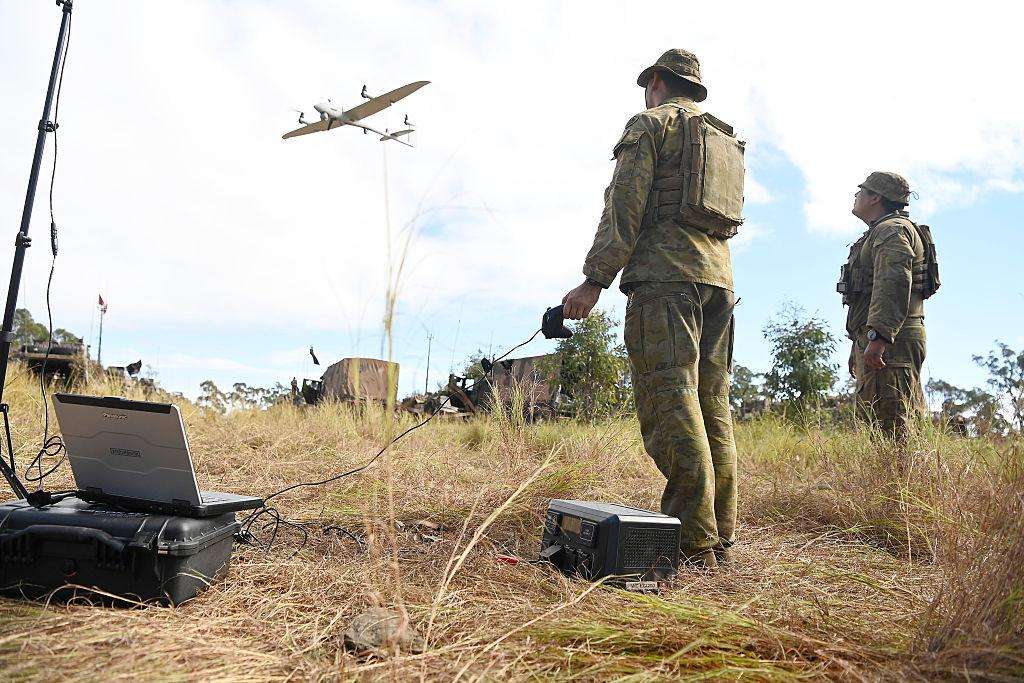
Australia is continuing to expand its uncrewed aerial systems (UAS) capabilities with the development of new infrastructure designed to support next-generation remotely operated aircraft.
The new base will provide dedicated facilities for uncrewed aerial systems, helping defence personnel operate, maintain and manage advanced aircraft without requiring pilots to be physically inside the aircraft. These systems are becoming increasingly important for intelligence gathering, surveillance, reconnaissance and monitoring large areas.
Uncrewed aircraft technology allows defence forces to conduct longer-duration missions while reducing risks to human operators. Modern systems can remain airborne for extended periods, collecting information and supporting decision-making across Australia's large maritime and regional areas.
The development of dedicated infrastructure reflects Australia's growing focus on advanced aviation technology. Similar investments have included purpose-built facilities at RAAF Base Tindal in the Northern Territory to support the MQ-4C Triton remotely piloted aircraft system. Those facilities include aircraft support areas, maintenance spaces, accommodation and upgraded airfield infrastructure.
The expansion of uncrewed aerial capability is expected to improve Australia's ability to monitor its vast coastline, northern approaches and surrounding maritime regions. These aircraft can provide persistent surveillance, helping authorities gather information over large distances where traditional aircraft operations may be more limited.
Defence experts around the world have identified uncrewed systems as one of the fastest-growing areas of military technology. Countries are investing heavily in drones and autonomous platforms because they can provide greater operational flexibility and support a wide range of missions, including surveillance, logistics and emergency response.
The new Australian facility will also support local industry opportunities by creating demand for engineering, maintenance, technology and aviation-related services. Defence infrastructure projects often contribute to regional employment and help develop specialist skills within surrounding communities.
While uncrewed systems provide significant advantages, their operation requires advanced training, secure communication networks and strong safety procedures. Defence organisations continue developing systems to ensure remotely operated aircraft can work safely alongside traditional aviation assets.
The investment represents Australia's broader strategy of modernising its defence capabilities through technology and innovation. As surveillance requirements increase across the Indo-Pacific region, uncrewed aerial systems are expected to play a larger role in protecting national interests and improving situational awareness.
The new base will become part of Australia's growing network of advanced aviation facilities, supporting future missions and strengthening the country's ability to respond to emerging security challenges.
AircraftSystemsUncrewedDefenceAerial
Australia is continuing to expand its uncrewed aerial systems (UAS) capabilities with the development of new infrastructure designed to support next-generation remotely operated aircraft.
The new base will provide dedicated facilities for uncrewed aerial systems, helping defence personnel operate, maintain and manage advanced aircraft without requiring pilots to be physically inside the aircraft. These systems are becoming increasingly important for intelligence gathering, surveillance, reconnaissance and monitoring large areas.
Uncrewed aircraft technology allows defence forces to conduct longer-duration missions while reducing risks to human operators. Modern systems can remain airborne for extended periods, collecting information and supporting decision-making across Australia's large maritime and regional areas.
The development of dedicated infrastructure reflects Australia's growing focus on advanced aviation technology. Similar investments have included purpose-built facilities at RAAF Base Tindal in the Northern Territory to support the MQ-4C Triton remotely piloted aircraft system. Those facilities include aircraft support areas, maintenance spaces, accommodation and upgraded airfield infrastructure.
The expansion of uncrewed aerial capability is expected to improve Australia's ability to monitor its vast coastline, northern approaches and surrounding maritime regions. These aircraft can provide persistent surveillance, helping authorities gather information over large distances where traditional aircraft operations may be more limited.
Defence experts around the world have identified uncrewed systems as one of the fastest-growing areas of military technology. Countries are investing heavily in drones and autonomous platforms because they can provide greater operational flexibility and support a wide range of missions, including surveillance, logistics and emergency response.
The new Australian facility will also support local industry opportunities by creating demand for engineering, maintenance, technology and aviation-related services. Defence infrastructure projects often contribute to regional employment and help develop specialist skills within surrounding communities.
While uncrewed systems provide significant advantages, their operation requires advanced training, secure communication networks and strong safety procedures. Defence organisations continue developing systems to ensure remotely operated aircraft can work safely alongside traditional aviation assets.
The investment represents Australia's broader strategy of modernising its defence capabilities through technology and innovation. As surveillance requirements increase across the Indo-Pacific region, uncrewed aerial systems are expected to play a larger role in protecting national interests and improving situational awareness.
The new base will become part of Australia's growing network of advanced aviation facilities, supporting future missions and strengthening the country's ability to respond to emerging security challenges.
Tesla is preparing to bring its driverless Cybercab to Australia for a preview, giving Australians an early look at the company’s autonomous vehicle tec...
A 15-year-old Pacific Lutheran College student has developed a privacy-first women’s health app and presented her work at a major national cyber event.
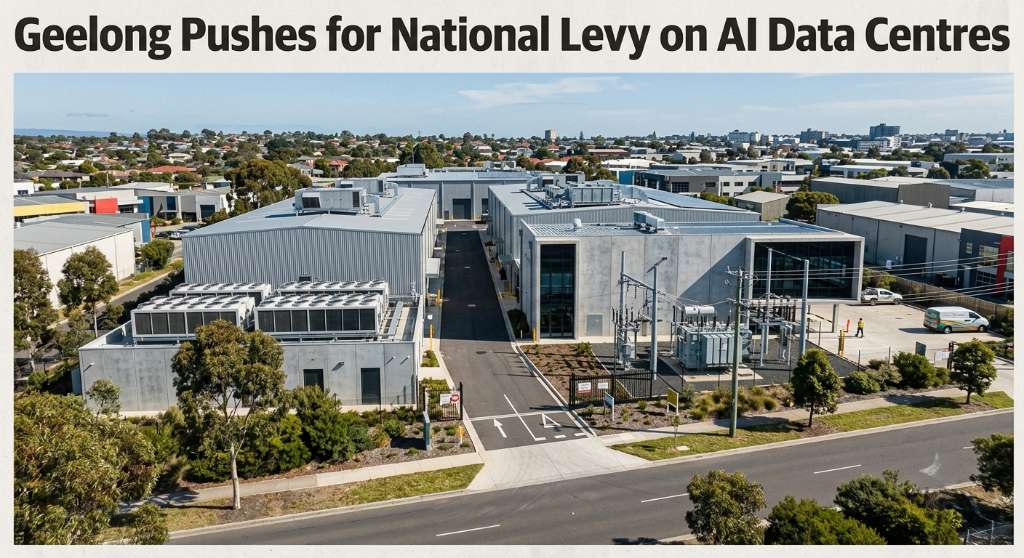
Greater Geelong Council wants data-centre operators to contribute to local infrastructure as community concerns grow over energy, water use and developm...
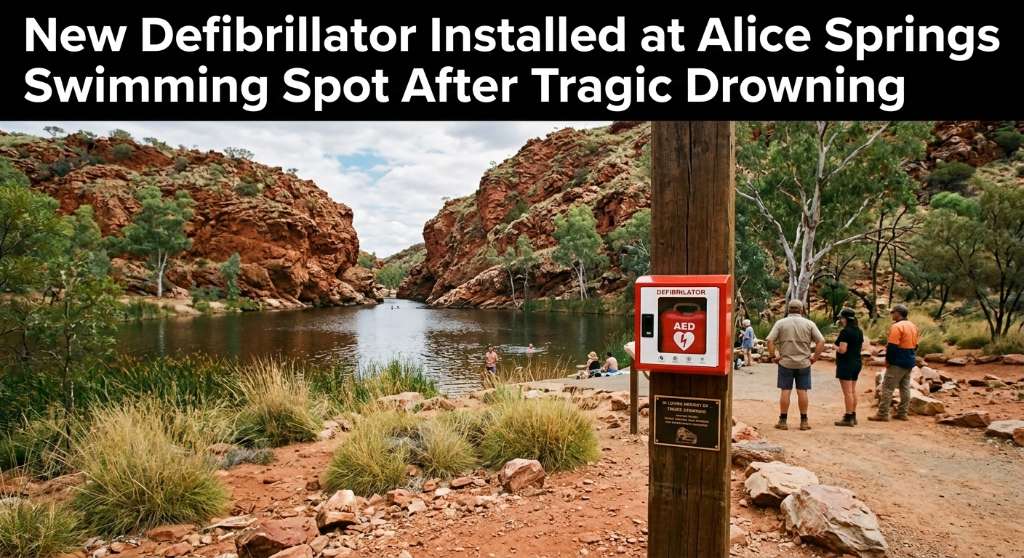
An automated external defibrillator and memorial plaque have been installed at Ellery Creek Big Hole following the death of disability advocate Ellen Fr...
Paramedics responding to an emergency in Alice Springs were forced to use a stretcher as a barricade after an armed and allegedly intoxicated group beca...
Cairns Regional Council has unanimously voted to seek $400,000 in Queensland Government funding for a program designed to connect local businesses with the region’s growing film...
An automated external defibrillator and memorial plaque have been installed at Ellery Creek Big Hole following the death of disability advocate Ellen Fr...
Queensland firefighters spent several hours monitoring a significant grass fire at Mary Kinross Park in Bargara, near Bundaberg, after the blaze broke out on Wednesday evening....