Safety note: Admin approval is an initial review, not a guarantee that every detail is correct. Check important or urgent claims with official sources and report anything inaccurate or unsafe.
Source and credit: Contributor's own report
New Volcano Theory Emerges Off Limestone Coast Near Mount Gambier - Mount Gambier, SA
Smart summary
A veteran hydrogeologist believes unusual seafloor formations near Beachport could point to an undiscovered underwater volcano.
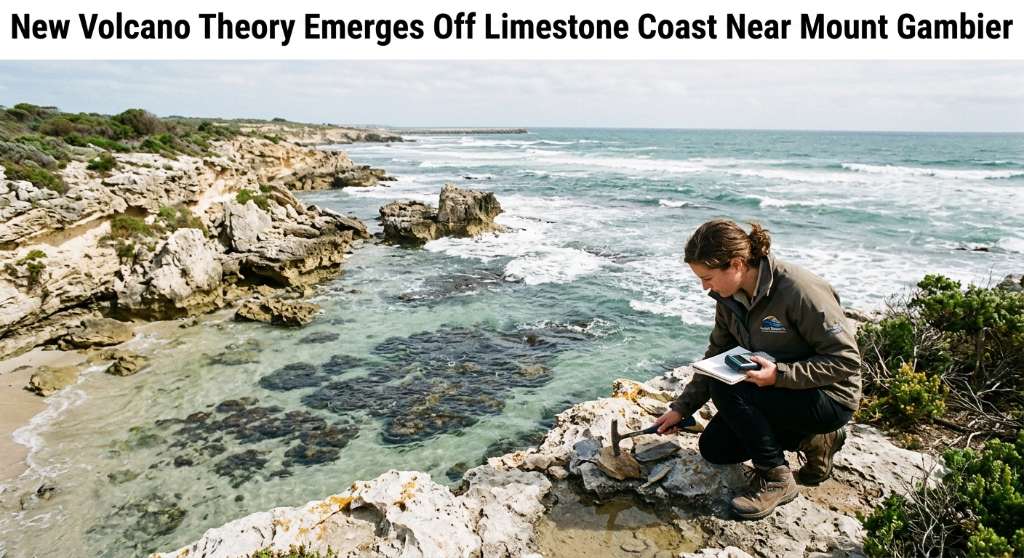
A new theory about the volcanic history of the Limestone Coast has emerged in Mount Gambier, with veteran hydrogeologist and cave diver Ian Lewis suggesting there could be an undiscovered volcano beneath the ocean off the South Australian coastline.
Mr Lewis discussed the theory during a special presentation at the Mount Gambier Library as part of Adult Learning Week. His idea is based on unusual formations identified on the seafloor near Beachport, which he believes could potentially represent ancient lava flows.
The Limestone Coast is already well known for its volcanic landscape. Mount Gambier's Blue Lake and Mount Schank are among the region's best-known volcanic features, while other volcanic formations can be found around Mount Burr and elsewhere across the South East. These features formed at different times, with some dating back tens of thousands of years and others millions of years.
The possibility of another volcanic feature beneath the ocean would therefore be significant for researchers studying the geological history of the region.
According to Mr Lewis, offshore mapping carried out decades ago identified three large reef-like formations extending out from the seabed. The structures reportedly appeared different from the usual patterns of limestone reefs in the area.
The formations were detected during offshore surveys conducted from ships, with geologists examining the shape and direction of structures beneath the water.
Mr Lewis said the three formations appeared to run downhill beneath the sea and that their shape raised the possibility that they could be remnants of lava flows rather than conventional limestone reef structures.
The theory remains unconfirmed. No samples have yet been collected from the formations to establish whether they contain volcanic material.
Mr Lewis said he is keen to organise a dive to investigate the formations and collect samples. He has also spoken with local fishermen about potentially reaching the area by boat.
Another feature that has attracted attention is reports of bubbles rising from the seabed. Mr Lewis suggested these could potentially be carbon dioxide or sulphur bubbles associated with a volcanic source, although this has not been established.
The theory has also been linked to the region's history of seismic activity. Mr Lewis pointed to the major earthquake that struck South Australia's South East in 1897. The earthquake was felt across a wide area, including Adelaide and Melbourne, and later seismic investigations reportedly placed its centre near the same offshore formations.
One possibility raised by Mr Lewis is that the earthquake may have been associated with movement or lava activity on the seabed.
However, the underwater-volcano idea remains a theory rather than a confirmed geological discovery. Further investigation, including underwater surveying and geological sampling, would be needed before scientists could determine the true nature of the formations.
For Mount Gambier and the wider Limestone Coast, the theory adds another intriguing possibility to an already remarkable volcanic landscape.
FormationsLewisVolcanicMountTheory
A new theory about the volcanic history of the Limestone Coast has emerged in Mount Gambier, with veteran hydrogeologist and cave diver Ian Lewis suggesting there could be an undiscovered volcano beneath the ocean off the South Australian coastline.
Mr Lewis discussed the theory during a special presentation at the Mount Gambier Library as part of Adult Learning Week. His idea is based on unusual formations identified on the seafloor near Beachport, which he believes could potentially represent ancient lava flows.
The Limestone Coast is already well known for its volcanic landscape. Mount Gambier's Blue Lake and Mount Schank are among the region's best-known volcanic features, while other volcanic formations can be found around Mount Burr and elsewhere across the South East. These features formed at different times, with some dating back tens of thousands of years and others millions of years.
The possibility of another volcanic feature beneath the ocean would therefore be significant for researchers studying the geological history of the region.
According to Mr Lewis, offshore mapping carried out decades ago identified three large reef-like formations extending out from the seabed. The structures reportedly appeared different from the usual patterns of limestone reefs in the area.
The formations were detected during offshore surveys conducted from ships, with geologists examining the shape and direction of structures beneath the water.
Mr Lewis said the three formations appeared to run downhill beneath the sea and that their shape raised the possibility that they could be remnants of lava flows rather than conventional limestone reef structures.
The theory remains unconfirmed. No samples have yet been collected from the formations to establish whether they contain volcanic material.
Mr Lewis said he is keen to organise a dive to investigate the formations and collect samples. He has also spoken with local fishermen about potentially reaching the area by boat.
Another feature that has attracted attention is reports of bubbles rising from the seabed. Mr Lewis suggested these could potentially be carbon dioxide or sulphur bubbles associated with a volcanic source, although this has not been established.
The theory has also been linked to the region's history of seismic activity. Mr Lewis pointed to the major earthquake that struck South Australia's South East in 1897. The earthquake was felt across a wide area, including Adelaide and Melbourne, and later seismic investigations reportedly placed its centre near the same offshore formations.
One possibility raised by Mr Lewis is that the earthquake may have been associated with movement or lava activity on the seabed.
However, the underwater-volcano idea remains a theory rather than a confirmed geological discovery. Further investigation, including underwater surveying and geological sampling, would be needed before scientists could determine the true nature of the formations.
For Mount Gambier and the wider Limestone Coast, the theory adds another intriguing possibility to an already remarkable volcanic landscape.
Newcastle Museum will host the fifth annual Hunter Science Festival on 23 August, featuring 40 interactive exhibits, combat robots, science shows and ha...
The Australian Reptile Park’s funnel-web spider program has reached a significant milestone as efforts continue to secure the future of Australia’s crit...
Australia's nationwide insect survey has passed one million recorded observations, with scientists saying public participation is transforming knowledge...
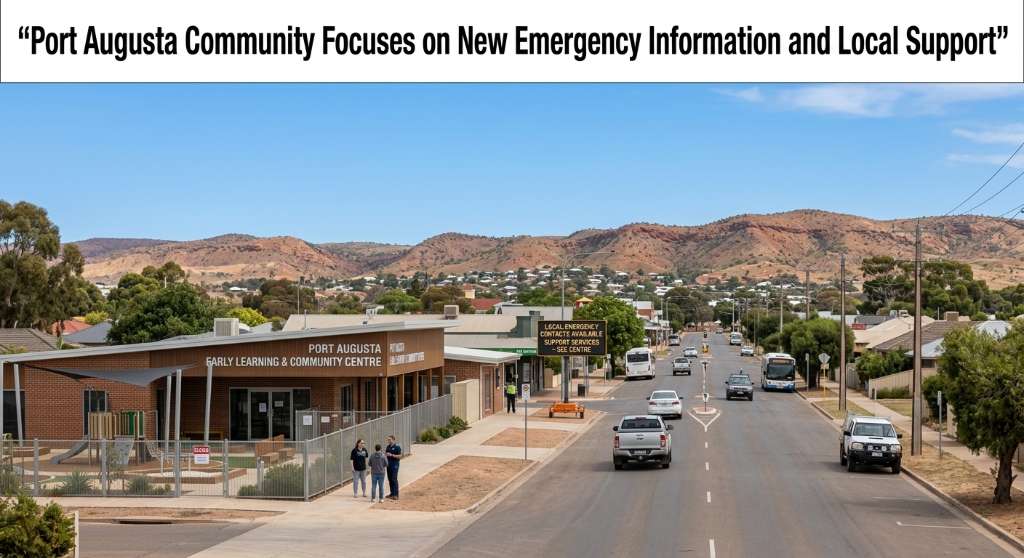
New community information initiatives are helping residents access emergency warnings and local support as Port Augusta and the wider region prepare for...
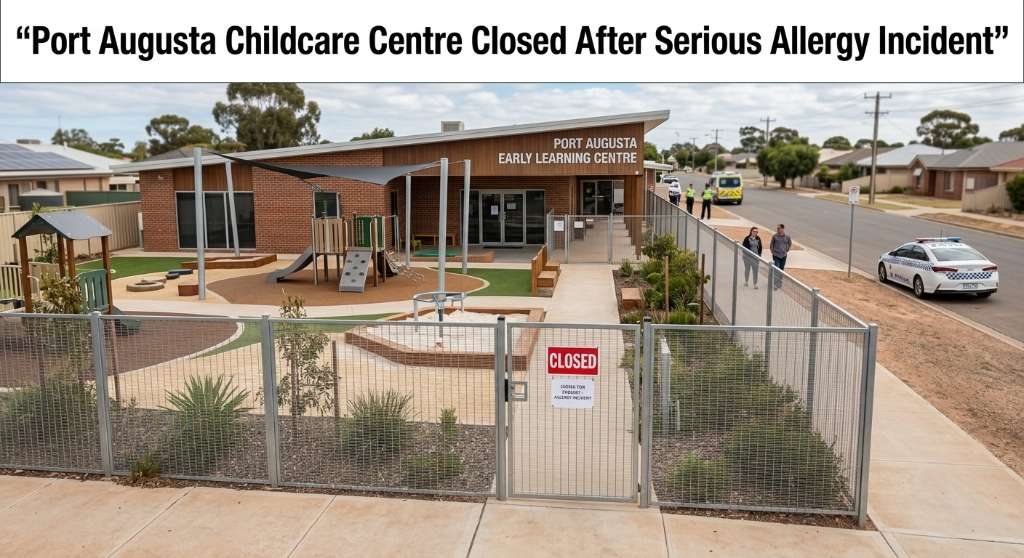
An Edge Early Learning centre in Port Augusta has been ordered to close for two weeks after a child with allergies was hospitalised after being given fo...
A 44-year-old man has been jailed after police found suspected methamphetamine, GHB and more than $40,000 in cash before he travelled towards Mount Gamb...
Cairns Regional Council has unanimously voted to seek $400,000 in Queensland Government funding for a program designed to connect local businesses with the region’s growing film...
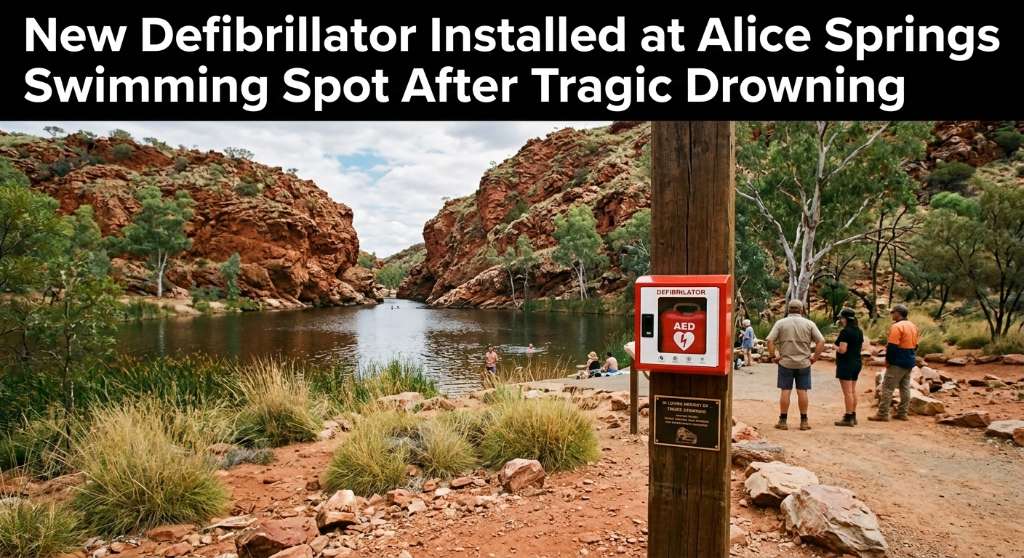
An automated external defibrillator and memorial plaque have been installed at Ellery Creek Big Hole following the death of disability advocate Ellen Fr...
Queensland firefighters spent several hours monitoring a significant grass fire at Mary Kinross Park in Bargara, near Bundaberg, after the blaze broke out on Wednesday evening....